How Automation and Robotics Are Shaping Texas Industries
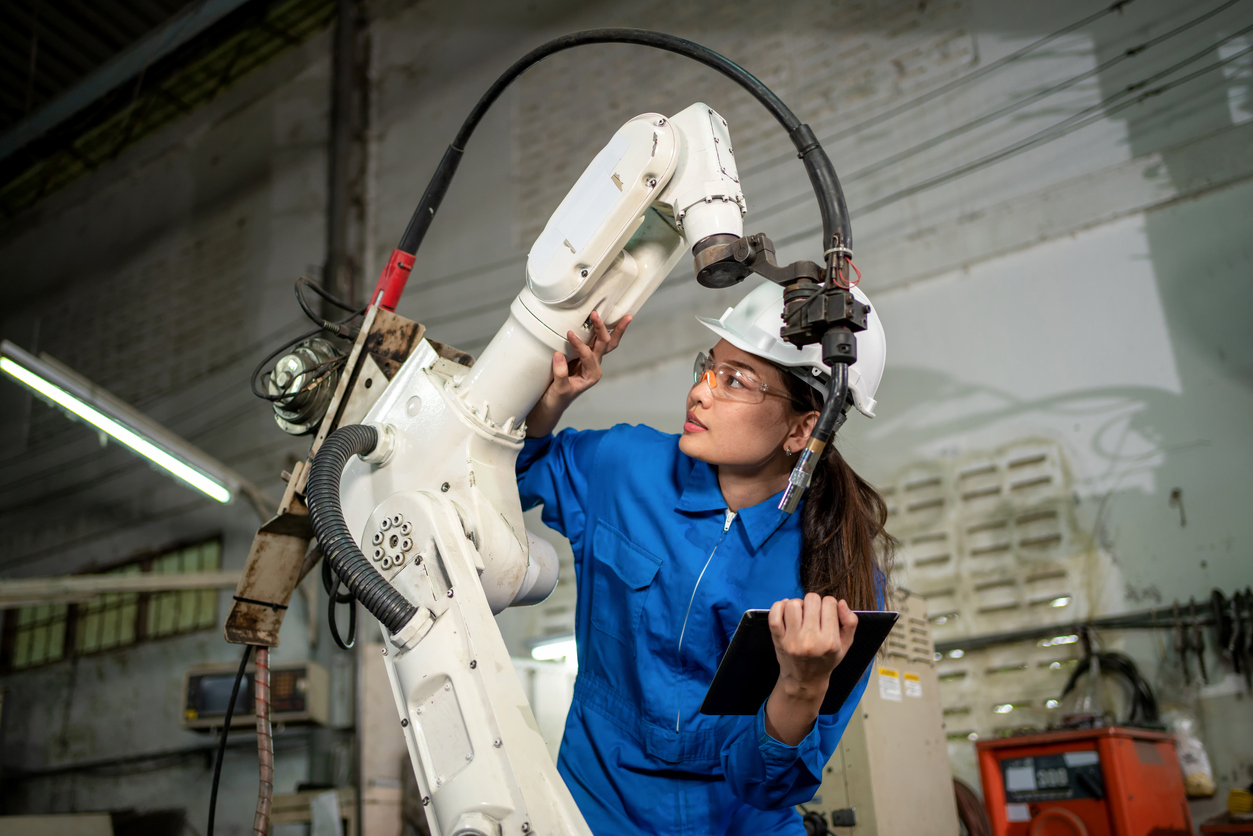
Texas is emerging as a major force in automation and robotics, driven by manufacturing growth, labor shortages, and large-scale industrial investment. Manufacturers across the state are increasingly deploying robots and digital systems to stay competitive, especially as workforce gaps widen and production demands rise. From automotive plants to semiconductor facilities and energy infrastructure, automation is reshaping how industries operate across Texas.
How Reshoring Is Driving Automation Growth in Texas
Since 2010, U.S. manufacturing has experienced a resurgence, with companies bringing production back domestically to improve supply chain reliability and reduce dependence on overseas operations. Texas has benefited significantly from these reshoring trends due to its pro-business environment, infrastructure, and access to energy and logistics networks. However, this growth has come with a challenge: labor shortages. Industry projections estimate that up to 1.9 million manufacturing jobs could remain unfilled by 2030 if workforce gaps are not addressed. As a result, companies are investing heavily in automation, robotics, and advanced manufacturing systems to maintain output without relying solely on hiring. Recent data highlights the scale of investment driving automation. Since 2010, reshoring and foreign direct investment have resulted in approximately 1.6–2 million manufacturing jobs announced in the United States, alongside a 242% increase in factory construction spending since 2019. Much of this investment is concentrated in sectors such as semiconductors, electric vehicles, and energy systems, all of which rely heavily on automation. At the same time, U.S. manufacturers installed more than 44,000 industrial robots in a single recent year, reflecting sustained growth in automation adoption. These figures reinforce the idea that automation in Texas is part of a broader national shift toward high-tech, capital-intensive manufacturing.
Why Texas Is Becoming a Leader in Industrial Automation
Texas has become a key hub for automation due to a combination of industrial concentration, workforce pressure, and major capital investments. The state’s manufacturing sectors—particularly automotive, electronics, and energy—have driven demand for robotics. According to the International Federation of Robotics, U.S. robot installations in the automotive sector increased by more than 10% in recent years, highlighting continued investment in automation. Large-scale projects, including semiconductor manufacturing expansions by companies like Texas Instruments, are further accelerating adoption. Facilities such as the Sherman, Texas expansion are expected to introduce next-generation manufacturing technologies as they ramp production in the coming years.
How Texas Manufacturers Use Robotics to Stay Competitive
View this post on Instagram
Manufacturers across Texas are using robotics to improve efficiency, reduce costs, and address labor constraints. Common applications include:
- Collaborative robots (cobots) assisting human workers on production lines
- Machine tending, packaging, and material handling systems
- Digital twins that simulate production processes before implementation
- IoT-connected equipment for monitoring performance and predictive maintenance
These technologies allow companies to optimize production while reducing downtime and waste. Many facilities are also investing in workforce training, helping employees transition into roles such as robot operators, technicians, and automation specialists.
Where Robots Are Used Across Texas Industries
Automation adoption varies by industry, but certain sectors lead the way. Automotive Manufacturing The automotive sector remains the largest user of industrial robots, particularly in assembly, welding, and battery production. Electronics and Semiconductors Facilities producing chips and electronic components rely on robotics for precision manufacturing and cleanroom operations. Energy and Industrial Infrastructure Robotics is widely used for inspection, maintenance, and monitoring in oil and gas, pipelines, and power systems. Food Processing and Packaging Automation is expanding in packaging, sorting, and processing to improve efficiency and safety. While the U.S. ranks among the world’s most automated manufacturing economies, Texas stands out for its diverse use of robotics across multiple industries, not just one sector.
Texas Robotics Companies: From Energy to Healthcare
View this post on Instagram
Texas is home to a growing number of established robotics companies and innovators focused on industrial, energy, and healthcare applications. In the energy and infrastructure sector, companies like Gecko Robotics (active in Texas operations) develop robotic systems for pipeline inspection, power plants, and industrial assets, helping reduce risk in hazardous environments through data-driven monitoring. Houston-based firms and engineering groups also deploy robotics for inspection, maintenance, and remote operations across oil and gas infrastructure. In healthcare, robotics is expanding through systems like Intuitive Surgical’s da Vinci platform, which is widely used in major Texas hospital systems, including those within the Texas Medical Center in Houston. These robotic-assisted surgical technologies improve precision and support minimally invasive procedures. Texas is also home to robotics innovation in manufacturing and automation. Apptronik, based in Austin, develops advanced humanoid and industrial robots, including systems designed for logistics, manufacturing, and collaboration with human workers. Meanwhile, companies like Plus One Robotics in San Antonio focus on AI-powered robotic vision systems used in warehouse automation and package handling. Across industries, robotics companies in Texas tend to focus on practical, high-value applications—from inspecting critical infrastructure to improving surgical outcomes and automating logistics. This reflects the state’s strength in applying robotics to real-world industrial and commercial challenges, rather than purely experimental or consumer use cases.
Tesla’s Austin Robotaxi Pilot and the Autonomous Mobility Race
Austin has become a testing ground for autonomous vehicle technology, with Tesla advancing its robotaxi program. Reports indicate that Tesla began pilot operations in Austin with supervised testing phases, followed by broader testing of driverless systems. These developments position Austin as a key location for real-world deployment of autonomous mobility technologies. While timelines and rollout details continue to evolve, the project reflects Texas’s role in transportation innovation and AI-driven systems.
Tesla’s Optimus Robot Development in Texas
View this post on Instagram
Tesla is also advancing its Optimus humanoid robot program, with development and training activities connected to its operations in Texas and California. The company has demonstrated plans to use these robots internally within factories, with long-term goals of scaling production if the technology proves viable. While projections such as producing millions of units annually remain aspirational, the initiative highlights growing interest in humanoid robotics for industrial and logistical applications.
Why Labor Shortages Are Accelerating Automation
Labor shortages remain one of the strongest drivers of automation across Texas. Manufacturers are facing:
- An aging workforce
- Increased competition for skilled labor
- Rising demand for technical roles
Reports on U.S. manufacturing indicate ongoing hiring pressure, with companies struggling to fill positions even as production expands. To address this, businesses are:
- Investing in robotics to reduce reliance on manual labor
- Expanding training programs for technical roles
- Adopting automation to maintain productivity with smaller teams
Automation is no longer just a cost-saving measure—it is becoming a critical strategy for maintaining operations.
Tax Incentives and the Economics of Automation
Government incentives are also influencing automation adoption. Policies such as bonus depreciation and Section 179 deductions allow companies to expense equipment investments more quickly, improving the financial case for automation. These incentives can significantly shorten return-on-investment timelines, making it easier for manufacturers to justify investments in robotics, machinery, and digital systems. In Texas, additional research and development credits further support innovation, especially for companies investing in advanced manufacturing technologies.
Conclusion
Texas is rapidly becoming a leader in automation and robotics, driven by reshoring, workforce challenges, and major industrial investments. From automotive manufacturing and semiconductor production to energy infrastructure and emerging technologies like autonomous vehicles, automation is transforming how industries operate. Robotics is reshaping the workforce—creating demand for new skills while helping companies remain competitive in a changing global economy. For manufacturers, investors, and workers alike, Texas offers a clear view of how automation is shaping the future of industry in the United States.
Related posts