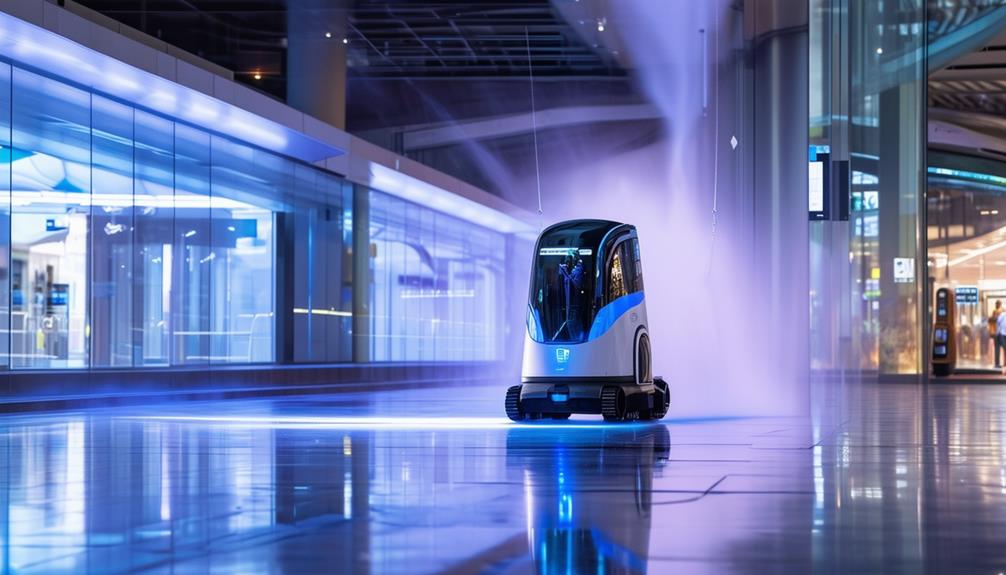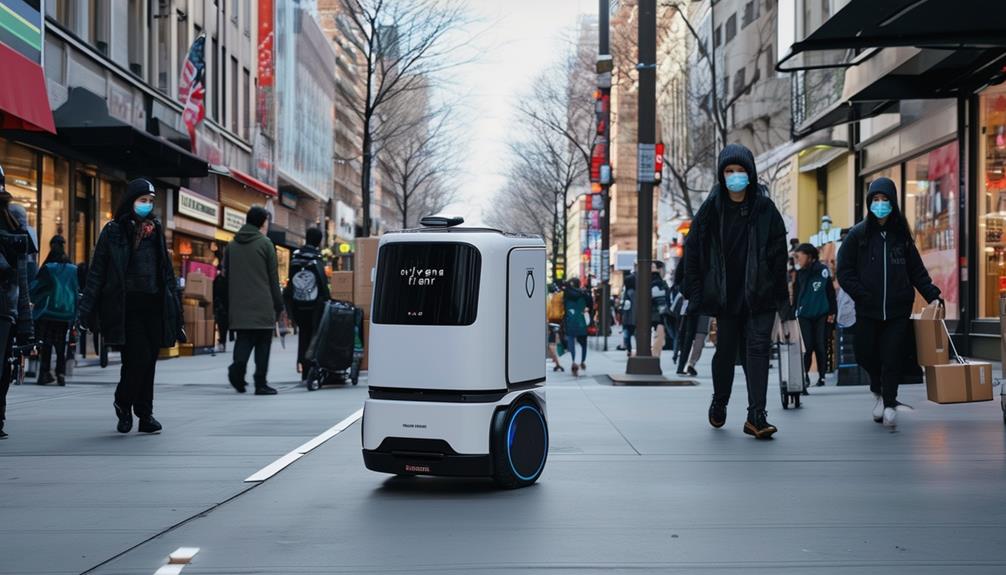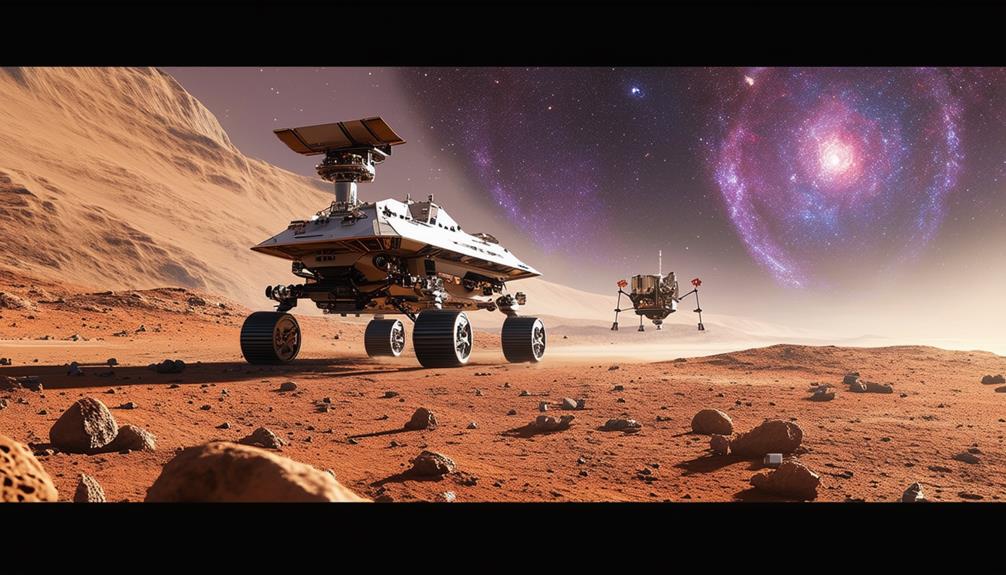
Houston’s Role in Robotics, Energy, and Space Tech
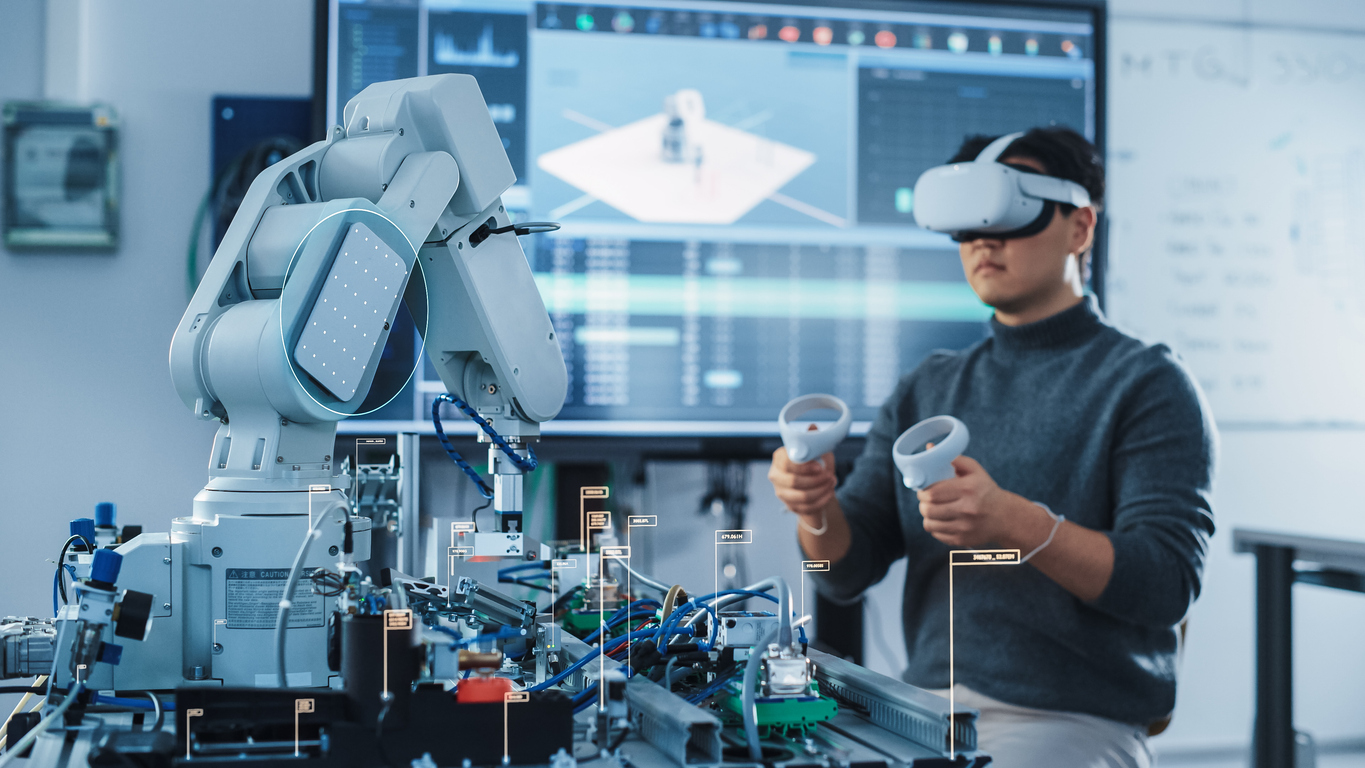
Houston is emerging as a major force in industrial robotics, energy innovation, and space technology, driven by one of the largest concentrations of engineers and technical professionals in the United States. With deep roots in oil and gas, aerospace, and advanced manufacturing, the city is increasingly connecting its legacy industries to automation, artificial intelligence, and robotics applications that are reshaping how infrastructure is built, inspected, and maintained.
Why Houston Stands Out in Industrial Robotics
Houston’s strength in robotics comes from a powerful combination of industry demand, workforce density, and real-world applications. The region is home to tens of thousands of engineers and technical professionals working across energy, healthcare, and aerospace sectors. This concentration of talent supports automation needs ranging from pipeline inspection and refinery maintenance to aerospace manufacturing and logistics systems. Unlike traditional tech hubs, Houston’s robotics growth is driven by industrial use cases. Companies develop robotics solutions for hazardous environments, including offshore platforms, chemical plants, and large-scale infrastructure—areas where automation improves safety and efficiency. The presence of NASA’s Johnson Space Center and a large energy sector further strengthens demand for robotics systems that can operate in extreme conditions, both on Earth and in space.
Houston Robotics Companies and Innovation Leaders
View this post on Instagram
Houston’s robotics ecosystem is anchored by companies focused on industrial inspection, infrastructure monitoring, and applied AI. Gecko Robotics, one of the most recognized companies connected to Houston’s industrial base, develops robotic systems that inspect power plants, pipelines, and heavy infrastructure. Its robots collect data that helps prevent failures and improve maintenance planning. The city also supports a growing network of engineering firms, energy service companies, and startups developing robotics applications for:
- Pipeline and refinery inspection
- Offshore and subsea operations
- Medical and surgical technologies through the Texas Medical Center
- Manufacturing automation and logistics
While Houston does not yet have the same volume of robotics startups as Silicon Valley, its companies are often focused on high-value, real-world industrial applications rather than consumer robotics.
Emerging Robotics Startups Expanding Houston’s Tech Ecosystem
View this post on Instagram
Beyond established players, Houston is seeing growth in next-generation robotics startups focused on industrial, AI-driven, and space-related applications. Companies gaining attention include:
- Persona AI – A Houston-based robotics company developing humanoid robots for heavy industry, designed to handle hazardous and labor-intensive environments such as construction and energy infrastructure
- Mbodi AI – Focused on embodied AI platforms that enable robots to operate more intelligently in real-world environments
- Icarus Robotics – A startup exploring robotics applications tied to space and autonomous systems, reflecting Houston’s aerospace connections
- ROBO (autonomous construction robotics) – Developing AI systems that allow heavy equipment to operate autonomously, improving safety and productivity in construction environments
These startups highlight Houston’s shift toward industrial and applied robotics, rather than consumer-focused technologies, with a strong emphasis on solving real-world challenges.
Robotics Growth Through Energy and Space Industries
Houston’s robotics adoption is closely tied to its leadership in energy and aerospace, supported by its position as the Energy Capital of the World. In the energy sector, robotics is increasingly used for:
- Inspecting pipelines, tanks, and refineries
- Performing maintenance in hazardous environments
- Monitoring infrastructure with AI-powered systems
These applications reduce risk and improve operational efficiency, making robotics a natural fit for Houston’s industrial landscape. In aerospace, the presence of NASA Johnson Space Center drives demand for robotics in spacecraft systems, simulation, and mission support technologies. Robotics plays a key role in astronaut assistance, remote operations, and future space exploration initiatives. Houston’s strength lies in its specialized applications within energy and space, where demand for automation continues to grow.
The FIRST Robotics Championship and Houston’s STEM Influence
Houston hosts the FIRST Robotics Championship at the George R. Brown Convention Center, one of the largest robotics competitions in the world. The event brings together tens of thousands of students, mentors, and teams from around the globe, creating a major economic and educational impact for the city. Houston has secured a long-term commitment to host the championship, reinforcing its role as a center for STEM education and robotics engagement. Beyond the economic benefits, the event strengthens Houston’s talent pipeline by exposing students to engineering, programming, and robotics careers early on.
Houston’s Engineering Workforce and Talent Pipeline
Houston’s workforce is one of its greatest advantages. The metro area supports a large population of engineers, technicians, and skilled trades professionals working across multiple industries. Universities such as: Rice University, University of Houston, and Texas A&M (Houston programs and partnerships) contribute to a steady pipeline of graduates in engineering, robotics, and computer science. Workforce development is further supported by:
- Industry partnerships with energy and aerospace companies
- Technical training programs and community colleges
- STEM initiatives connected to events like the FIRST Championship
This ecosystem ensures that Houston continues to develop talent capable of supporting advanced robotics and automation systems.
Convention Infrastructure and Robotics Event Leadership
The George R. Brown Convention Center (GRB) plays a key role in Houston’s ability to host large-scale technology and robotics events. Planned expansions and ongoing upgrades to the convention district are designed to support major international conferences and competitions, including robotics and STEM-focused events. This infrastructure allows Houston to maintain its position as a destination for global technology gatherings, bringing together industry professionals, students, and innovators in one location.
Innovation Hubs and Accelerators Supporting Robotics Growth
Houston’s robotics ecosystem is supported by a growing network of innovation districts, incubators, and venture studios. The Ion District in Midtown Houston serves as the city’s flagship innovation hub—a 16-acre district developed by Rice University that brings together startups, corporations, and investors in a collaborative environment . Within the Ion, initiatives like Rice Nexus help translate research into commercial ventures by connecting entrepreneurs with funding, workspace, and industry partners . In the Texas Medical Center, the Rice Biotech Launch Pad and RBL LLC venture studio focus on building companies around medical and robotic technologies, accelerating the path from research to commercialization . Together, these hubs provide the infrastructure needed to launch, fund, and scale robotics and AI startups in Houston.
Technology Investment and Advanced Manufacturing in Houston
Houston is seeing increased interest in advanced manufacturing, AI infrastructure, and data-driven technologies, particularly as companies look to expand beyond traditional tech hubs. While large-scale national investments in AI and semiconductor manufacturing are occurring across multiple states, Houston’s advantage lies in its ability to integrate these technologies into energy, healthcare, and aerospace systems. The city’s industrial base provides a natural testing ground for:
- Automation technologies
- Robotics-assisted maintenance
- AI-driven infrastructure monitoring
This positions Houston as a practical innovation hub, where new technologies are applied to real-world challenges.
Funding and Venture Capital in Robotics and AI
Investment activity in Houston’s robotics and AI sector continues to grow, particularly in areas tied to energy, healthcare, and industrial automation. The city’s innovation ecosystem benefits from:
- Venture studios like RBL LLC, which help launch startups based on patented technologies
- Innovation hubs like the Ion District, which connect startups with investors and corporate partners
While Houston’s venture capital ecosystem is smaller than Silicon Valley’s, it is increasingly focused on capital-efficient, industry-driven innovation, where robotics solutions are developed for high-value applications rather than consumer markets. This approach is attracting investors interested in infrastructure, energy transition, and applied AI technologies.
Robotics in Space and Infrastructure Applications
Houston’s connection to space exploration gives it a unique role in robotics development. At NASA Johnson Space Center, robotics is used in:
- Astronaut training and simulation
- Robotic arms and space station systems
- Human-robot collaboration research
At the same time, similar technologies are applied locally for infrastructure inspection and maintenance, including sewer systems, pipelines, and industrial facilities. This crossover between space robotics and industrial robotics creates a distinct ecosystem where innovations developed for one environment can be adapted to another.
Conclusion
Houston’s role in robotics is defined by application, not hype. The city is building a reputation as a leader in industrial robotics, energy automation, and space-related technologies. With a strong engineering workforce, global industries, and continued investment in STEM education, Houston is positioned to remain a key player in the future of robotics and advanced technology.
Related posts