How Robotics and Drone Technology Are Changing Texas Agriculture and Infrastructure
Robotics and drone technology are becoming more visible across Texas agriculture as farms, ranches, and infrastructure operators look for ways to manage large properties with fewer labor hours and more precise data. In a state where cattle ranches, cotton fields, grain operations, pipelines, roads, and remote fences can cover enormous distances, autonomous machines and sensor-based systems can help monitor land, reduce repetitive work, and improve decision-making. The technology is not replacing every traditional ranch or farm task, but it is changing how some Texas producers handle feeding, scouting, spraying, soil sampling, and property inspection. The strongest examples are found in areas where scale, labor shortages, water pressure, and weather challenges make automation especially useful.
Autonomous Cattle Feeding on Texas Ranches
View this post on Instagram
One of the clearest Texas examples of agricultural robotics in ranching is the Ranch Rover from Smooth Ag, a Texas-based agricultural technology company. The autonomous feed vehicle is designed to carry more than a ton of feed across rugged pastureland while using GPS-guided routes and geofencing to stay within designated areas. Smooth Ag describes the system as a robotic ranch vehicle that can feed cattle while also collecting pasture and herd-related data. For ranchers managing wide acreage, this kind of system can reduce time spent on daily feed runs, especially during periods when labor is limited or fuel costs are high. Instead of driving the same routes repeatedly, operators can assign feeding patterns and use the machine for routine distribution. The value is not only in automation, but in consistency. Regular feeding routes, recorded activity, and potential herd-monitoring data can help ranchers make more informed decisions while still preserving the hands-on knowledge that defines Texas ranching.
Robotic Livestock Monitoring Across Large Properties
Livestock monitoring is another area where agricultural technology is expanding. GPS tags, remote cameras, drones, and sensor networks can help ranchers track cattle movement, identify grazing patterns, and check hard-to-reach areas without constantly driving across pastures. On large Texas ranches, the practical benefit is distance. A rancher may need to monitor water points, fences, grazing pressure, and animal health across thousands of acres. Robotics and remote sensing tools can help identify problems earlier, such as a broken fence, an empty water source, or livestock gathering in unexpected locations. These systems are most useful when paired with human oversight. A drone or sensor may flag an issue, but ranchers still rely on experience to interpret behavior, inspect animals, and decide when direct intervention is needed.
Drones for Cotton Field Scouting and Irrigation Stress
Drones are especially useful in Texas cotton country, where water management remains a major issue. Research on cotton irrigation in the Texas High Plains highlights the importance of improving irrigation scheduling in a region that plays a major role in U.S. cotton production and faces declining water availability. Thermal cameras, infrared sensors, and multispectral imaging can help detect crop water stress before it is obvious from the ground. Studies have shown that aerial infrared thermography can identify canopy temperature differences connected to irrigation levels and cotton yield patterns. For growers, this means drones can support more targeted irrigation decisions. Instead of treating a field as one uniform area, producers can identify stressed zones, clogged irrigation lines, uneven water distribution, or areas where soil conditions differ. Drone performance depends on sensor quality, timing, weather, crop stage, and how the imagery is analyzed.
Automated Weed Control in Texas Row Crops
View this post on Instagram
Automated weed control is one of the most commercially visible uses of robotics in row-crop agriculture. John Deere’s See & Spray technology uses cameras and machine learning to identify weeds and apply herbicide more selectively instead of treating every acre the same way. A Texas grower using See & Spray technology in cotton reported herbicide reductions during field trials, according to AgWeb. The system’s broader goal is to reduce unnecessary chemical use while maintaining weed control in crops such as cotton, corn, and soybeans. This matters in Texas because herbicide resistance, labor availability, input costs, and large field sizes all make precision application more attractive. When sprayers can target weeds more accurately, growers may reduce waste and improve efficiency.
Self-Driving Sprayers and Precision Field Equipment
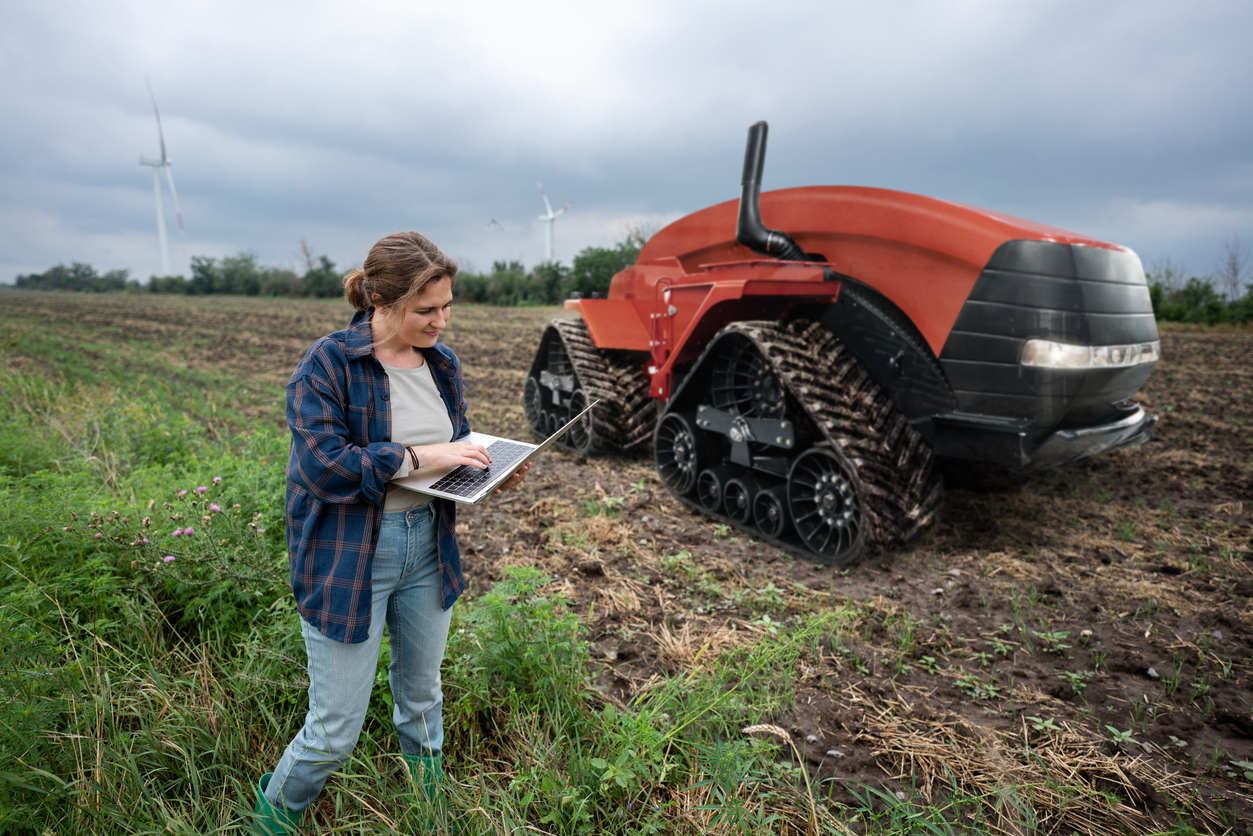
Self-driving and semi-autonomous sprayers are part of a broader move toward precision agriculture. These machines are not limited to cotton. Similar technologies can support applications in corn, soybeans, wheat, sorghum, and fallow fields where growers need to manage weeds, diseases, or crop inputs efficiently. Many current systems still require operators, monitoring, and human decision-making. The practical shift is that one person may be able to manage more acres with better data and more precise application tools. For Texas producers, especially in regions with large fields, these technologies can help reduce repetitive passes, improve timing, and conserve inputs. They are especially valuable when weather windows are short and a field needs treatment quickly.
Robotic Soil Sampling for Precision Agriculture
View this post on Instagram
Soil sampling is another task where robotics can improve consistency. Robotic systems such as ROGO SmartCore use RTK-level GPS to return to the same sampling locations year after year, helping reduce location error and improve long-term soil fertility maps. The value of this technology comes from repeatability. When soil samples are taken at inconsistent depths or slightly different locations each season, fertilizer recommendations can become less reliable. Robotic sampling systems are designed to collect more consistent cores and document sample locations digitally. This can support better nutrient planning, reduce unnecessary fertilizer applications, and help large grain or row-crop operations track soil changes over time. While ROGO is not a Texas company, the technology is relevant to large-scale Texas agriculture because of the state’s extensive crop acreage and growing interest in precision input management.
Drones and Automation for Fence and Infrastructure Inspection
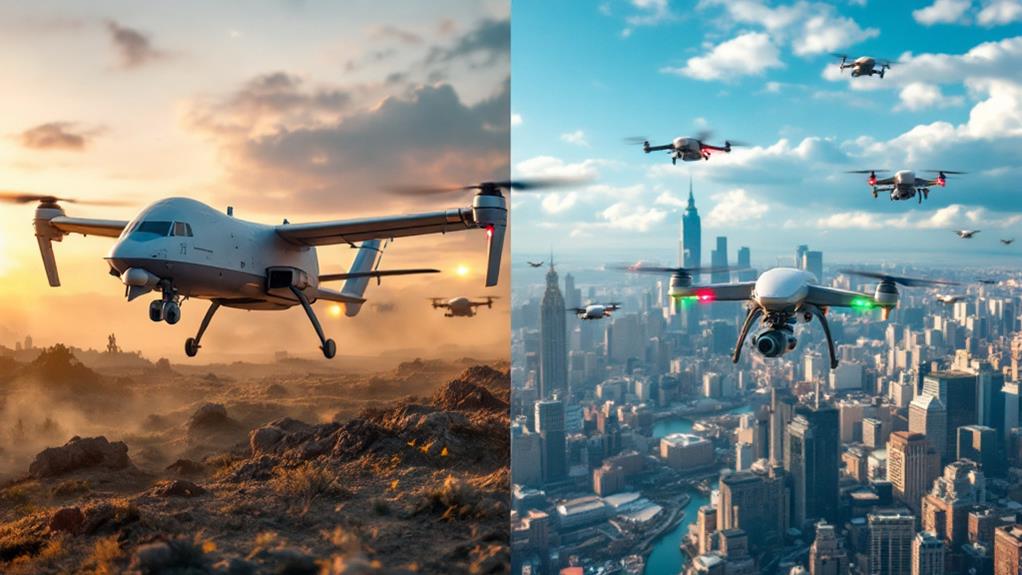
Texas ranches, utilities, roadways, pipelines, and energy sites often stretch across remote terrain. Drones and autonomous inspection tools can help monitor these areas more efficiently, especially after storms, floods, wildfires, or high-wind events. On ranches, drones can inspect fence lines, check water troughs, locate livestock, and identify erosion. In infrastructure settings, aerial technology may help inspect transmission lines, bridges, solar farms, wind facilities, pipelines, and construction sites.
Weather-Resistant Design for Texas Agricultural Technology
Agricultural robots and drone systems in Texas must handle heat, dust, mud, rain, wind, and uneven ground. A system that works in a controlled research environment may struggle in South Texas humidity, Panhandle dust, Gulf Coast storms, or West Texas heat. Agricultural machines often need sealed electronics, rugged tires or tracks, durable sensors, strong batteries, and reliable cooling systems. Cameras and LiDAR sensors must continue working despite dust, glare, vibration, and changing light conditions.
Why Labor and Water Challenges Are Accelerating Automation
Labor shortages are one of the biggest reasons Texas agriculture is exploring robotics and drone technology. Feeding cattle, scouting fields, pulling soil samples, spraying weeds, checking fences, and monitoring irrigation all require time and skilled labor. Water pressure is another major driver, especially in cotton-producing regions of the Texas High Plains. Tools that help identify water stress, irrigation failures, or uneven field conditions can support more efficient water use in areas where every irrigation decision matters. Automation is not a simple replacement for agricultural workers. In many cases, it changes the type of work being done. Producers still need people who can interpret data, maintain equipment, repair machines, and make management decisions based on local conditions.
Conclusion
Robotics and drone technology are becoming an important part of Texas agriculture and infrastructure, especially in areas where scale, labor shortages, weather, and water management create daily operational challenges. Autonomous cattle feeders, drone crop scouting, precision sprayers, robotic soil samplers, and aerial inspection systems all show how technology can support ranchers, farmers, and infrastructure managers across the state. The most useful systems are not the ones that promise to replace experience, but the ones that help Texans make better decisions across large landscapes. As agricultural technology becomes more durable and affordable, its role in Texas agriculture will likely continue growing.
Related posts