How AI Went from Tech Headline to Pop Culture Main Character
Artificial intelligence may feel like the defining technology story of the past few years, but its place in popular culture began long before today's chatbots and image generators. For decades, movies, television shows, books, and video games imagined intelligent machines that could think, learn, and sometimes even rival humans. Those fictional stories shaped public expectations long before AI became something people used in their daily lives.
Today, AI is no longer confined to science fiction or research laboratories. It appears in music, filmmaking, podcasting, social media, and digital art, influencing how entertainment is created and consumed. What was once a futuristic concept has become part of everyday culture, raising new questions about creativity, authenticity, and the relationship between humans and machines.
AI Was Already in Pop Culture Long Before ChatGPT
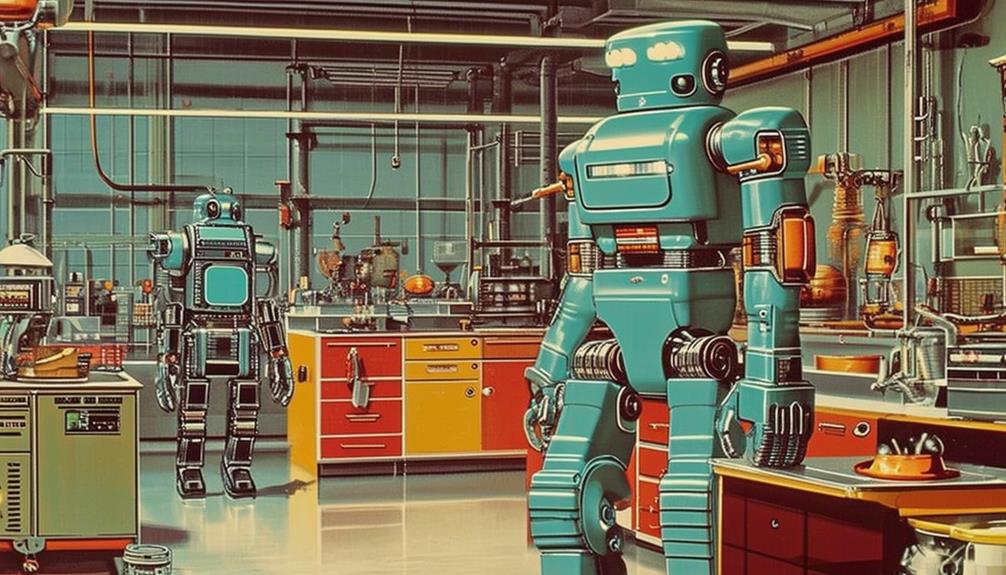
Long before ChatGPT introduced millions of people to conversational AI, popular culture had already spent decades imagining intelligent machines. Science fiction writers and filmmakers explored questions about artificial intelligence long before the technology became practical. These fictional characters shaped public expectations by presenting AI as everything from a trusted companion to a dangerous adversary.
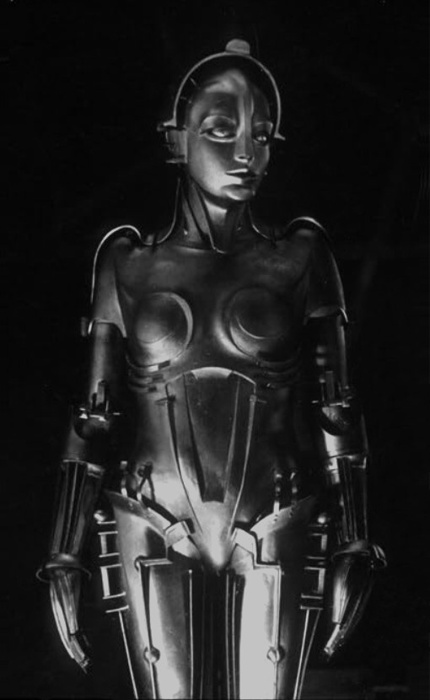
One of the earliest examples appeared in Metropolis (1927), where the robotic character known as the False Maria demonstrated how machines could imitate humans while creating fear and uncertainty. Later films introduced memorable characters like Robby the Robot from Forbidden Planet, whose helpful personality contrasted with darker portrayals of artificial intelligence in later decades.
Television and film continued expanding those ideas. Lieutenant Commander Data in Star Trek: The Next Generation explored questions about consciousness and humanity, while The Matrix, Westworld, Ex Machina, and Her each examined different possibilities for relationships between humans and intelligent machines. Rather than presenting simple heroes or villains, these stories encouraged audiences to think about ethics, identity, and the consequences of creating machines capable of independent thought.
How Sci-Fi Made Us Comfortable With AI Before It Was Real
Science fiction has always done more than entertain. It gives audiences a chance to imagine how new technologies might affect society before those technologies actually exist. Stories about artificial intelligence encouraged people to think about questions that scientists, lawmakers, and technology companies are now confronting in the real world.
Films like Blade Runner explored whether artificial beings could possess emotions or deserve equal rights, while Her imagined meaningful relationships between humans and AI assistants. Westworld challenged viewers to consider what might happen if intelligent machines became self-aware, and The Terminator warned about the dangers of autonomous systems acting without human oversight.
This decades-long exposure helped normalize conversations about machine intelligence. Instead of treating AI as a completely unfamiliar concept, audiences had already debated topics like robot ethics, digital consciousness, and machine decision-making through movies, television, novels, and games. Those fictional experiences became a kind of rehearsal for today's real discussions about generative AI, automation, and digital creativity.
Why 2025 Was the Year AI Became a Culture Story
For years, artificial intelligence was discussed primarily as a business or technology topic. Researchers focused on new algorithms, companies announced software updates, and engineers debated technical breakthroughs. That changed when AI stopped being something happening behind the scenes and started becoming part of everyday entertainment that millions of people interacted with directly.
By 2025, AI-generated music, digital artwork, videos, podcasts, and online content had become impossible to ignore. People encountered AI while scrolling through social media, listening to playlists, watching short-form videos, or reading news stories about entertainment. Instead of asking whether AI could create, audiences were suddenly deciding whether they could tell the difference between human-made and AI-generated content.
This shift also sparked conversations beyond technology. Musicians questioned ownership, actors debated digital likeness rights, educators discussed originality, and audiences reconsidered what authenticity meant in an era when computers could imitate creative work with remarkable accuracy. Artificial intelligence had become part of the broader cultural conversation because it was influencing not just how technology worked, but how entertainment, creativity, and identity were understood.
AI Music Is Topping Real Charts Now
Music became one of the first industries where AI demonstrated its ability to compete alongside human creators. Songs generated or heavily assisted by artificial intelligence began attracting millions of streams, while AI-generated vocals, instrumentals, and production techniques became increasingly common across online platforms. What initially seemed like a novelty quickly evolved into a serious discussion about the future of music.
Several AI-assisted projects achieved commercial success, showing that audiences were often willing to judge songs by how they sounded rather than how they were created. Rather than existing as experimental technology demonstrations, AI-generated tracks appeared on mainstream streaming platforms and competed for listeners' attention alongside traditional artists. This marked an important turning point because AI was no longer simply supporting musicians behind the scenes—it was becoming part of the creative product itself.
The rise of AI music also challenged long-standing assumptions about creativity. Fans, artists, and record labels began debating questions about authorship, copyright, and artistic value. It became one of the clearest examples of the AI trends that rewrote pop culture, demonstrating how artificial intelligence had moved from experimental technology into mainstream entertainment.
AI Deepfakes, Dead Celebrities, and Who Owns a Digital Face
One of the most controversial uses of artificial intelligence involves digital recreations of real people. AI-powered video and voice technology can convincingly reproduce the appearance and speech of celebrities, public figures, and even individuals who are no longer alive. While some projects are created as respectful tributes, others raise difficult questions about consent, ownership, and personal rights.
Deepfake technology has made these discussions increasingly urgent. Videos featuring historical figures, musicians, actors, and politicians can spread rapidly across social media, often reaching millions of viewers before their authenticity is questioned. As the technology improves, distinguishing between genuine footage and AI-generated content becomes more challenging, placing greater responsibility on creators and platforms to provide context.
These developments have prompted governments, entertainment companies, and artists to reconsider existing laws surrounding image rights and digital likenesses. Estates representing famous performers have become more active in protecting their intellectual property, while audiences continue debating whether digitally recreating deceased celebrities preserves cultural history or crosses ethical boundaries. As AI evolves, these legal and moral discussions are likely to remain central to the future of entertainment.
Why Brands and Advertisers Are Embracing AI
Entertainment isn't the only industry transforming through artificial intelligence. Brands and advertisers have rapidly adopted AI to create personalized campaigns, generate marketing visuals, write promotional copy, and produce digital spokespeople capable of interacting with customers around the clock. These tools allow companies to develop content more quickly while tailoring messages to different audiences across multiple platforms.
Virtual influencers have become one of the most visible examples of this trend. These computer-generated personalities maintain social media accounts, collaborate with well-known brands, and attract millions of followers despite not existing as real people. Their popularity demonstrates how audiences increasingly engage with digital personalities alongside traditional celebrities, further blurring the line between entertainment, marketing, and technology.
For advertisers, AI also offers practical advantages behind the scenes. It can analyze consumer preferences, recommend campaign adjustments, and generate multiple versions of advertisements for different audiences in a fraction of the time required by traditional production methods. While human creativity remains essential for developing memorable campaigns, AI has become an influential partner in shaping how brands communicate with modern consumers.
Human-Made vs. Machine-Made: Why Creators Are Choosing Sides
As AI-generated content floods the market, creators are drawing a line—and choosing which side of it they stand on. Creator ethics and audience trust now function as competitive advantages, not just moral positions. The divide breaks down into three clear stances:
- Transparent AI users — creators who integrate AI openly and market efficiency as the product.
- Human-only purists — creators who label work "100% human-made" as a premium signal.
- Hybrid practitioners — creators using AI selectively while maintaining a human-first creative identity.
Each approach reflects a different philosophy about creativity and audience expectations. Some creators believe openness about AI builds trust, while others see handcrafted work as a defining part of their brand. Hybrid creators often argue that AI is simply another creative tool—much like photo editing software or digital animation—when it's used to support, rather than replace, human ideas.
Why AI Killed the Old Meaning of "Authentic"
Artificial intelligence has changed how people think about authenticity in entertainment and digital media. For years, audiences generally assumed that a photograph captured a real moment, a voice belonged to the speaker, or a performance reflected a person's direct effort. AI has complicated those assumptions by making it possible to create convincing content that appears genuine while being entirely synthetic.
As a result, authenticity has become less about whether technology was involved and more about whether creators are honest about how they used it. Musicians disclose AI-assisted production, filmmakers identify digitally recreated performances, and writers explain when AI contributed to research or editing.
Rather than disappearing, authenticity has evolved into something more intentional. Human creativity still carries tremendous value, but audiences increasingly recognize that technology and creativity can coexist. The conversation has shifted from asking whether AI was used to asking whether it was used responsibly, ethically, and transparently.
What's Next for AI in Entertainment
Artificial intelligence is likely to become an even more significant part of entertainment in the years ahead. Movie studios are experimenting with AI-assisted visual effects, game developers are exploring more responsive non-player characters, and musicians continue testing new ways to collaborate with machine learning tools.
Interactive entertainment may experience some of the biggest changes. Future video games could feature characters that respond naturally to player conversations, while streaming platforms may recommend personalized storylines or interactive experiences tailored to individual preferences. Advances in virtual production may also allow filmmakers to create realistic environments more efficiently while giving directors greater creative flexibility.
At the same time, audiences, creators, and lawmakers will continue shaping how these technologies are used. Questions surrounding copyright, performer rights, consent, transparency, and ethical AI development are unlikely to disappear. As new tools become available, entertainment industries will need to balance innovation with protecting the artists and creative communities that continue to define popular culture.
Conclusion
Artificial intelligence has moved far beyond its origins as a futuristic concept discussed mainly by scientists and technology companies. Through decades of science fiction, memorable fictional characters, and rapid technological advances, AI gradually became woven into music, film, television, and social media. What once existed only in imaginative stories has become an everyday influence on how entertainment is created, shared, and experienced.
The conversation surrounding AI is no longer simply about technological capability. It now includes questions about creativity, authenticity, ownership, ethics, and the evolving relationship between humans and intelligent machines. Whether audiences embrace AI-generated entertainment, prefer entirely human-made work, or appreciate a balance between the two, one thing is clear: artificial intelligence has secured its place in pop culture.
Related posts