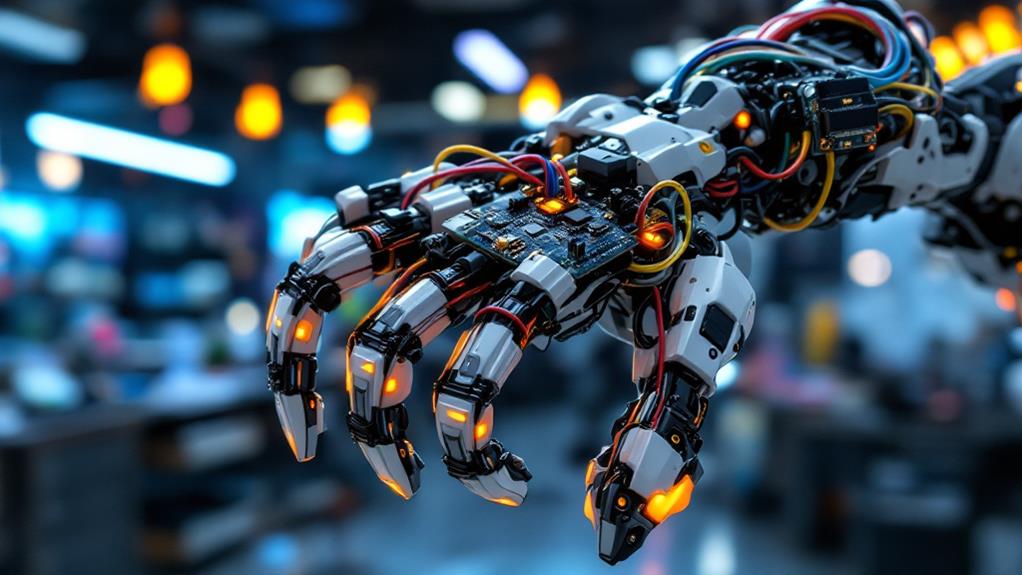
Understanding the Role of Energy Storage in Robots: From Batteries to Fuel Cells

Understanding energy storage in robots is crucial for their performance. You rely on batteries and fuel cells to deliver power for different tasks. Batteries like lithium-ion are popular due to their high energy density and lightweight. They support quick bursts of energy, but have limitations like charging times and lifespan. Fuel cells, on the other hand, offer steady energy output with faster refueling, making them great for long-duration applications. The choice between them depends on your specific requirements. With ongoing advancements, this field continues to evolve, providing exciting possibilities for future robotic technologies. There's more to uncover about these innovations and their impacts.
Importance of Energy Storage
Energy storage plays an fundamental role in the functionality and efficiency of robots, especially as they become more autonomous. You'll notice that effective energy management is critical for maximizing energy efficiency and ensuring that robots operate at their best. With the right energy storage solutions, you can achieve higher power density, which allows robots to perform complex tasks without the constraints of heavy batteries.
Weight optimization is another key factor; lighter systems improve mobility and reduce strain on robotic components. Plus, thermal management becomes essential as energy consumption increases, so you'll want to implement effective cooling strategies. As robots require reliable charging infrastructure, ensuring that they can easily recharge will improve their energy autonomy.
Considering lifecycle analysis is significant too, as it helps you evaluate the long-term sustainability practices associated with energy storage technologies. Hybrid systems, which combine different energy sources, can offer flexible solutions that adapt to numerous operational needs. Ultimately, focusing on these elements will lead to more efficient and sustainable robotic systems that can thrive in varied environments.
Overview of Battery Technologies
When you think about powering robots, battery technologies are at the forefront of innovation. Today, several types of batteries are vital for robotic applications, each with unique characteristics that impact performance. Lithium-ion batteries are widely used due to their high energy density and lightweight nature, making them a popular choice for mobile robots. However, as technology evolves, solid state batteries are gaining attention. These batteries offer improved safety and potentially longer lifespans compared to traditional lithium-ion options.
Battery management plays a significant role in ensuring peak performance and longevity. It involves monitoring the state of charge, temperature, and general health of the battery. Advanced battery management systems (BMS) help prevent overcharging, overheating, and deep discharging, which can damage the battery and reduce its efficiency.
As you investigate the world of robotics, understanding these battery technologies can help you make informed decisions about energy storage solutions. With continuous advancements, the future of battery technologies looks promising, paving the way for more efficient and capable robots. Regardless of it's through solid state innovations or sophisticated battery management techniques, the energy storage landscape is evolving rapidly, shaping the next generation of robotic systems.
Types of Batteries Used in Robotics

Understanding the numerous types of batteries used in robotics is crucial for optimizing performance in different applications. Each battery type has unique characteristics that can greatly influence your robot's efficiency, safety, and overall effectiveness. Here's a quick overview of some popular battery types:
- Lead Acid Batteries: Known for their reliability and low cost, they're often used in larger robots but have lower energy density and shorter lifespans.
- Nickel Cadmium Batteries: These offer good performance and durability but suffer from memory effects and environmental concerns.
- Lithium Polymer Batteries: These boast high energy density and longer battery lifespan, making them ideal for compact robots.
Additionally, solid-state batteries are emerging as a promising alternative, providing better thermal management and improved safety standards. Ultra capacitors can also be integrated for quick bursts of power, especially useful in applications requiring rapid charging cycles. Understanding these different battery types will help you make informed decisions on which energy storage solution best fits your robotics project's needs.
Advantages of Lithium-Ion Batteries
Lithium-ion batteries have become a popular choice in robotics for several compelling reasons. Firstly and foremost, their lithium ion efficiency allows robots to operate longer on a single charge, which is essential for tasks requiring sustained energy. Furthermore, the lithium ion lifespan is markedly higher than that of traditional batteries, meaning you won't need to replace them as often, saving you time and hassle.
When it comes to lithium ion safety, these batteries have advanced features that help prevent overheating and short-circuiting, providing peace of mind during operation. Although the initial lithium ion cost might seem higher, the long-term savings from fewer replacements and greater efficiency often outweigh this concern.
Their versatility enables numerous lithium ion applications, from drones to autonomous vehicles. With ongoing lithium ion innovations, you can expect even better performance and safety in the future. In addition, advancements in lithium ion recycling are helping reduce environmental impacts, making these batteries an eco-friendly choice. As the lithium ion market continues to grow, you'll find an increasing number of options tailored to the specific needs of robotics, ensuring you've got the best technology at your fingertips.
Limitations of Current Battery Systems

Despite their advantages, current battery systems face significant limitations that can hinder robotic performance. You might find that these drawbacks impact how effectively robots can operate in different environments and tasks. Here are a few essential challenges:
- Battery life: Short operational periods can restrict mission capabilities.
- Weight limitations: Heavier batteries can reduce mobility and efficiency.
- Charge times: Long recharge periods can hinder productivity.
Additionally, energy density remains a concern, as current batteries struggle to provide sufficient power without adding excessive weight. Thermal management is critical, as overheating can lead to safety risks and reduced lifespan. Recycling challenges also pose environmental concerns, as improper disposal of batteries can contribute to pollution. Ultimately, cost efficiency plays an important role; high-quality batteries often come with steep price tags that can be prohibitive for developers.
Exploring Fuel Cell Technology
Fuel cell technology offers a promising alternative to traditional battery systems in robotics. Instead of relying solely on chemical reactions within batteries, fuel cells generate electricity through electrochemical processes that convert hydrogen and oxygen into water. This method not only provides a steady energy output but also improves fuel cell efficiency, making it a viable choice for long-duration robotic applications.
One of the main advantages of fuel cells is their ability to store hydrogen, which serves as a fuel source. Efficient hydrogen storage solutions are essential, as they determine the complete practicality of fuel cell systems in robots. You'll find several methods for storing hydrogen, including high-pressure tanks, metal hydrides, and chemical hydrides. Each method comes with its own set of advantages and challenges, particularly regarding weight, safety, and energy density.
As you investigate fuel cell technology, consider how it could transform the energy landscape of robotics. With advancements in fuel cell efficiency and hydrogen storage techniques, you could see robots operating longer and more effectively in a variety of environments, from industrial settings to remote exploration missions.
Benefits of Fuel Cells in Robotics

When considering energy sources for robotics, the benefits of fuel cells stand out prominently. These systems offer several advantages that make them particularly appealing for diverse robotics applications.
- High Energy Density: Fuel cells provide a greater energy density than traditional batteries, allowing robots to operate longer with less weight.
- Hydrogen Efficiency: They utilize hydrogen, which can be produced from renewable sources, enhancing overall hydrogen efficiency and sustainability.
- Reduced Environmental Impact: Fuel cells emit only water vapor, making them an environmentally friendly option compared to fossil fuel-based energy sources.
With their operational longevity, fuel cells allow robots to function over extended periods without frequent recharging. This is especially vital in scenarios like search and rescue missions or remote inspections, where downtime can be detrimental. Furthermore, as the technology continues to advance, the integration of fuel cells into robotics promises to improve performance while reducing reliance on non-renewable energy sources. By harnessing fuel cell advantages, you can contribute to a future where robots operate more efficiently and sustainably, paving the way for groundbreaking solutions in diverse fields.
Comparing Batteries and Fuel Cells
The choice between batteries and fuel cells often hinges on efficiency and application needs in robotics. When you think about battery efficiency, you're looking at how much energy a battery can deliver relative to its size and weight. Batteries are generally more suited for applications requiring quick bursts of power and energy storage in a compact form. They excel in environments where weight is critical, like in drones or small robotic devices.
On the other hand, fuel cells offer impressive durability, allowing for longer run times without the need for frequent recharging. They convert chemical energy directly into electrical energy, making them ideal for heavy-duty robots or those used in remote locations where recharging isn't feasible. While fuel cells can be bulkier and require a supply of fuel, their ability to provide consistent power over extended periods can outweigh their disadvantages in certain scenarios.
Ultimately, selecting between batteries and fuel cells depends on your specific requirements, such as the robot's operational environment and the power demands. Understanding these differences will help you make an informed choice that best suits your robotic application.
Future Trends in Energy Storage

As advancements in technology continue to reshape the landscape of robotics, energy storage solutions are evolving to meet the growing demands of efficiency, longevity, and adaptability. You'll likely see significant shifts in how energy is stored and managed in robots over the next few years. Key trends include:
- Solid state innovations: These batteries promise improved safety and energy density, allowing robots to operate longer without increasing their size or weight.
- Ultra capacitor advancements: Ultra capacitors are becoming more efficient, enabling rapid energy discharge and recharge, which is vital for applications requiring quick bursts of power.
- Hybrid systems: Combining different energy storage methods, such as batteries and ultra capacitors, will likely optimize performance and flexibility in robotic applications.
As these technologies develop, you can expect robots to become more capable and efficient, improving their roles in multiple industries. With solid state innovations and ultra capacitor advancements driving this change, the future of energy storage in robotics looks promising. Embracing these trends will not only elevate performance but also pave the way for more sustainable and intelligent robotic solutions.
Case Studies in Robot Applications
In recent years, varied industries have adopted robotic solutions, showcasing groundbreaking energy storage applications that improve performance and efficiency. For instance, in robotic competitions, teams utilize advanced battery technologies to power their mobile robots, enabling them to execute complex tasks with speed and precision. Autonomous drones have also transformed multiple sectors, utilizing lightweight fuel cells for extended flight times during surveillance and mapping missions.
In industrial automation, energy storage systems improve the operation of robotic arms and automated guided vehicles, ensuring seamless production processes. Underwater vehicles, equipped with high-capacity batteries, can investigate ocean depths for extended periods, collecting essential data for research. In agriculture, agricultural robots utilize energy-efficient solutions to optimize planting and harvesting, greatly increasing yield.
Moreover, during rescue missions, robots powered by reliable energy storage can navigate challenging environments, delivering crucial supplies and gathering significant information. In the sector of space exploration, energy storage is fundamental for rovers and satellites, ensuring they function effectively in harsh conditions. Altogether, these case studies highlight how inventive energy storage solutions drive advancements across differing robotic applications, improving their capabilities and impact.
Related posts