The Rise of Educational Robotics: LEGO Mindstorms and Beyond
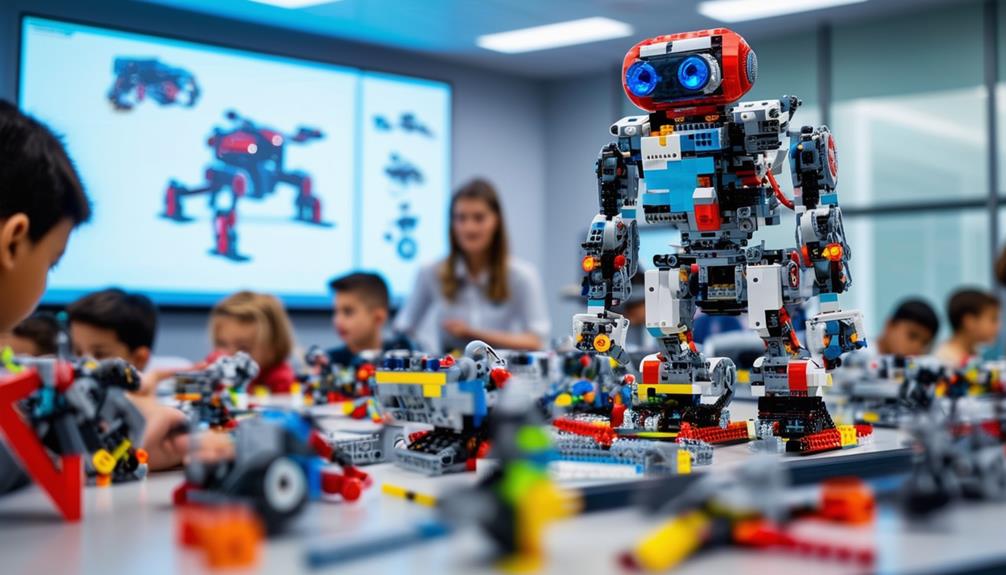
Educational robotics, spearheaded by LEGO Mindstorms, has significantly transformed STEM education. This evolution goes beyond assembling bricks; it integrates robotics, programming, and creativity into a unified learning platform. While LEGO Mindstorms pioneered this change, recent advancements in AI and machine learning are pushing the boundaries even further. The introduction of these advanced tools at an early educational stage opens up countless possibilities. What implications does this have for the future of education and the cultivation of essential skills? Let's explore how these innovations are not only revolutionizing classrooms but also equipping students for a rapidly evolving technological landscape.
Evolution of Educational Robotics
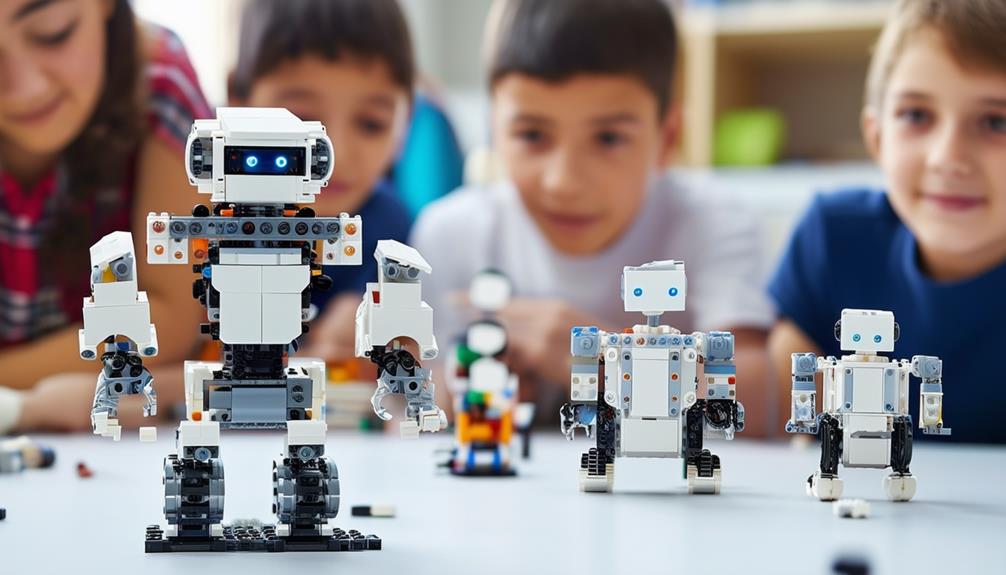
Educational robotics has continually evolved to become an indispensable tool in modern classrooms. One of the most iconic and influential products in this field is LEGO Mindstorms from LEGO Education. This innovative product has revolutionized STEM education by combining the fun and creativity of LEGO bricks with the complexity of robotics and programming, making these subjects more engaging and accessible.
Students actively build and program their own robots, effectively bringing classroom concepts to life. The hands-on experience provided by LEGO Mindstorms nurtures problem-solving and critical thinking, essential skills in today's tech-driven world. As students interact with these kits, they gain practical knowledge in engineering, automation, and software programming.
LEGO Education has designed its products to be versatile and adaptable, catering to various educational levels. Integrating robotics into the curriculum allows teachers to offer a more interactive and immersive learning experience. This approach not only sparks students' interest but also equips them for future careers in technology and engineering. With LEGO Mindstorms, educational robotics has significantly advanced in enriching student education.
The Impact of LEGO Mindstorms
Using LEGO Mindstorms in education transcends mere robot construction; it fosters hands-on learning experiences that significantly enhance problem-solving skills. This educational tool promotes teamwork and collaboration, essential for addressing real-world challenges. Through its engaging activities, LEGO Mindstorms cultivates a robust foundation in STEM education, equipping students with crucial skills for future endeavors.
Hands-On Learning Experience
LEGO Mindstorms' interactive approach immerses students in the world of robotics by allowing them to build and program their own creations using the LEGO Mindstorms NXT kit. This hands-on learning method not only makes programming concepts more accessible but also fosters creativity and collaboration among students.
Engaging with LEGO Mindstorms equips you with valuable skills applicable in real-world scenarios. Here's how:
- Programming Concepts: You'll grasp the basics of coding through intuitive software, making complex ideas easier to understand.
- Problem-Solving: Encountering and overcoming challenges sharpens your analytical skills as you troubleshoot and refine your robotic creations.
- Creativity: Building your own robots allows you to design unique solutions to engineering problems.
- Collaboration Skills: Working in teams to complete projects enhances teamwork skills, preparing you for real-world engineering challenges.
Enhancing Problem-Solving Skills
Engaging with LEGO Mindstorms' robotics activities significantly enhances your problem-solving skills through hands-on learning and creative challenges. LEGO Mindstorms serves as a cornerstone in educational robotics, offering an immersive experience in interactive programming and real-world problem-solving. When you work with Mindstorms, you're not merely constructing robots; you're also sharpening your critical thinking and logical reasoning abilities.
These hands-on activities prompt you to think quickly and develop innovative solutions. Through structured challenges and open-ended design tasks, you practice solving problems in various scenarios, significantly boosting your problem-solving skills. The constant need to adapt and troubleshoot nurtures your creativity and makes you adept at finding unique solutions.
Moreover, educational robotics like Mindstorms provide an excellent avenue for engaging with STEM education. The interactive nature of Mindstorms' programming allows you to immediately see the impact of your decisions, reinforcing learning and understanding. These activities help you acquire technical skills while enhancing your critical and logical thinking abilities. Ultimately, LEGO Mindstorms offers an enriching platform that blends education with creativity, making problem-solving both enjoyable and effective.
Fostering Team Collaboration
Working on LEGO Mindstorms projects fosters team collaboration by requiring students to design, build, and program robots together. The hands-on nature of these group projects promotes teamwork, as students must communicate effectively and share responsibilities. The interactive nature of Mindstorms encourages peer-to-peer learning, allowing students to teach each other skills and solve problems collaboratively.
In educational settings, LEGO Mindstorms is often used to enhance collaborative problem-solving and critical thinking skills. Participation in programs like the FIRST LEGO League further emphasizes the importance of teamwork, as students work in groups to tackle real-world challenges using robotics. This not only fosters teamwork but also prepares students for future collaborative environments.
Here are some key ways LEGO Mindstorms fosters team collaboration:
- Group Projects: Students work together on complex tasks, dividing roles and responsibilities.
- Peer-to-Peer Learning: Students share knowledge and expertise, teaching each other new skills.
- Collaborative Problem-Solving: The process encourages brainstorming and testing ideas collectively.
- FIRST LEGO League: Competitions push students to work as a cohesive unit to achieve common goals.
Key Features and Specifications
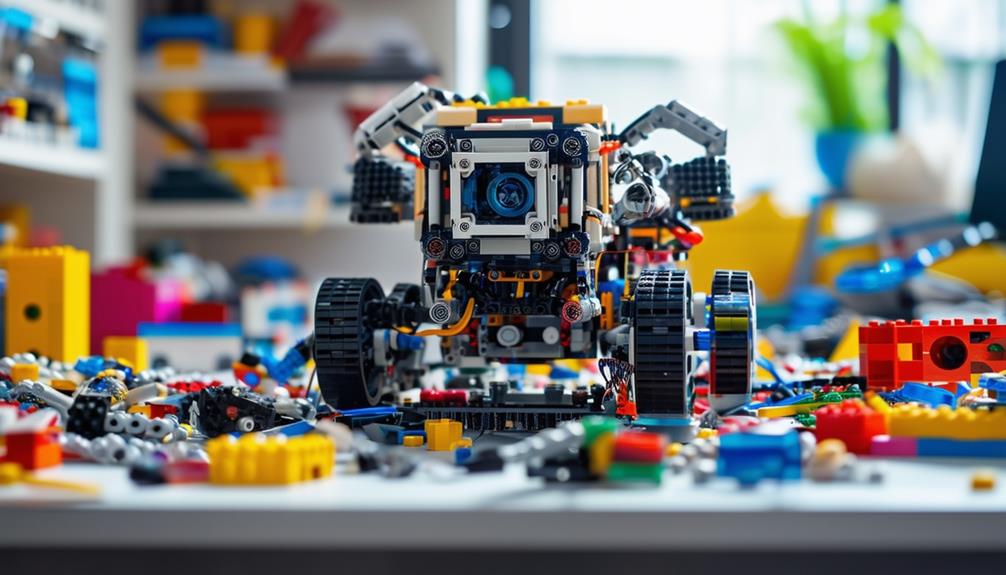
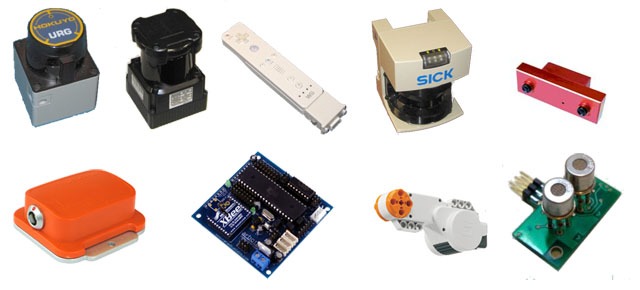
The LEGO Mindstorms NXT kit offers remarkable versatility through its powerful programmable brick, diverse sensors, and motors, enabling boundless creative robotics projects. At the core of the system is the NXT brick, equipped with a 32-bit ARM7 processor, 256 KB of flash memory, and 64 KB of RAM. These specifications ensure robust performance and sufficient storage for your programs. The monochrome LCD screen on the NXT brick provides essential feedback and programming options directly on the device, making it accessible for both beginners and advanced users.
The NXT-G software enhances your experience by offering a graphical programming environment. With its drag-and-drop blocks, the software simplifies the process of designing intricate robot behaviors and sequences. Bluetooth communication is another notable feature, allowing you to wirelessly control and program your robots, adding convenience and flexibility.
The LEGO Mindstorms NXT kit includes a variety of sensors, such as touch, light, and sound, broadening the scope of possible projects. When combined with motors and LEGO Technic pieces, these sensors enable you to build and program robots that can dynamically interact with their environment.
Integrating Robotics in Classrooms
Integrating robotics into the classroom enhances STEM education through engaging, hands-on experiences. Tools like LEGO Mindstorms enable students to address real-world challenges while developing critical thinking and collaboration skills. These programs foster creativity and prepare students for careers in technology and engineering.
Enhancing STEM Learning
Integrating robotics like LEGO Mindstorms into classrooms significantly enhances STEM learning through interactive, hands-on activities. By incorporating educational robotics into the curriculum, educators create a vibrant learning environment. Here's how it enriches STEM education:
- Hands-on Learning in Programming and Engineering: LEGO Mindstorms allows students to engage in practical programming and engineering tasks, making complex concepts more accessible.
- Enhancing Problem-Solving and Critical Thinking: Students are challenged to think critically and solve problems as they design, build, and troubleshoot their robots.
- Fostering Creativity: Robotics projects stimulate creativity, enabling students to innovate and experiment with different designs and programming solutions.
- Increasing Student Engagement: The interactive nature of robotics captivates students, fostering a deeper interest in STEM subjects.
Hands-on Problem Solving
Hands-on problem solving with educational robotics, such as LEGO Mindstorms, transforms classrooms into dynamic hubs of STEM exploration. Integrating these tools allows students to engage deeply with STEM subjects in a captivating and essential manner. Educational robotics promotes critical thinking, creativity, and collaboration skills, which are necessary for addressing real-world engineering challenges.
By adopting a constructivist approach, students actively build their knowledge through hands-on activities. They don't just passively receive information; they construct, test, and refine their ideas. This method nurtures a deeper understanding of engineering and robotics, sparking interest in these fields and preparing students for future careers.
| Benefits | Skills Developed |
|---|---|
| Engaging STEM Exploration | Critical Thinking |
| Real-world Engineering Challenges | Creativity |
| Constructivist Learning | Collaboration Skills |
When students work on LEGO Mindstorms projects, they tackle engineering challenges that require teamwork and forward-thinking. They learn to communicate effectively, share ideas, and solve problems collaboratively. This hands-on problem solving isn't just about building robots; it's about developing essential 21st-century skills. You'll see your classroom transform into a vibrant environment where students thrive on challenges and grow through active learning.
Benefits for Students
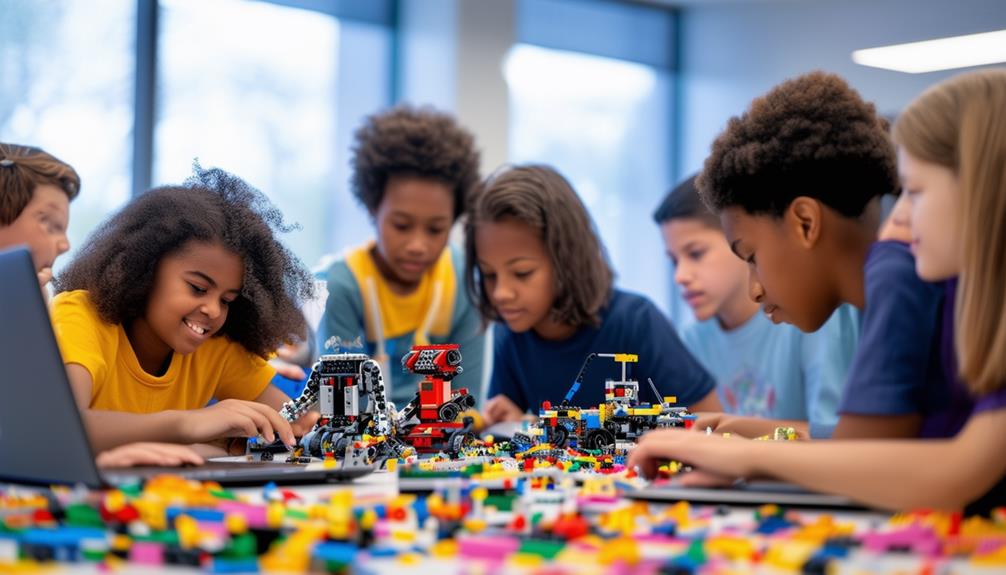
Educational robotics, such as LEGO Mindstorms, significantly enhance student engagement in STEM by providing a hands-on learning experience that is both enjoyable and instructive. When students engage in building and programming robots, they are not merely playing; they are acquiring essential skills that are crucial for their future. These activities promote critical thinking and creative problem-solving. Additionally, working in teams fosters collaboration skills that are invaluable in any career.
Here are four key benefits of educational robotics for students:
- Boosts Engagement: Tools like LEGO Mindstorms make STEM subjects more attractive by blending play with learning, maintaining student interest and motivation.
- Develops Critical Skills: Hands-on learning through robotics enhances students' critical thinking and problem-solving abilities, equipping them to tackle complex real-world issues.
- Fosters Collaboration: The process of building and programming robots necessitates teamwork, helping students cultivate strong collaboration skills essential for academic and professional success.
- Prepares for Future Careers: Exposure to robotics and programming can spark an interest in technology and engineering, guiding students toward careers in these rapidly expanding fields.
Early Introduction to Robotics
Introducing students to robotics early with tools like LEGO Mindstorms helps build a strong foundation in STEM subjects while igniting curiosity and creativity. Engaging in educational robotics goes beyond playing with toys; it offers hands-on building and programming experiences that are both enjoyable and educational. Influenced by Seymour Papert's constructionism theory, LEGO Mindstorms emphasizes learning through making and exploring one's own ideas.
With LEGO Mindstorms, students tackle robotics challenges that enhance problem-solving skills and encourage collaborative learning. These challenges often require critical thinking, strategic planning, and teamwork—essential skills in today's world. Integrating educational robotics into STEM education provides a dynamic way to grasp complex concepts, making abstract ideas more concrete and understandable.
Beyond LEGO: New Frontiers
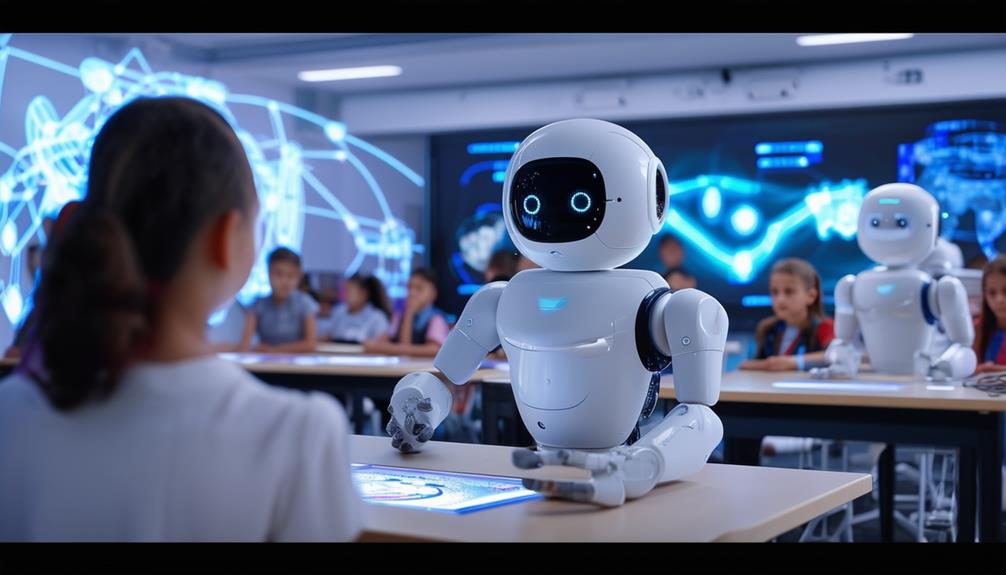
The realm of educational robotics has expanded significantly beyond LEGO Mindstorms, introducing advanced kits like VEX Robotics and Ozobot, which both engage and educate students. These innovative classroom robots are revolutionizing STEM education by enhancing skills in programming, engineering, and problem-solving.
VEX Robotics offers intricate engineering challenges that promote creativity and collaboration. Ozobot, with its user-friendly design, serves as an excellent starting point for younger learners and those new to programming. Both platforms offer diverse applications, including social skills development, support for students with disabilities, and remote learning opportunities.
Key reasons these new educational tools are exciting include:
- Enhanced Programming Skills: VEX Robotics and Ozobot provide coding environments that range from block-based to text-based programming, accommodating various skill levels.
- Advanced Engineering Skills: Constructing and customizing robots with VEX helps students grasp mechanical systems and design principles.
- Improved Problem-Solving Abilities: These robots present real-world challenges that demand creative solutions, honing critical thinking skills.
- Diverse Applications: Beyond STEM education, these robots are utilized in healthcare simulations, remote learning, and psychological experiments.
These advancements ensure that students are not only learning but also applying their knowledge in meaningful ways, making robotics an integral part of modern education.
Future Trends in Educational Robotics
Looking ahead, the future of educational robotics will further integrate AI and machine learning to enhance personalized learning. Platforms like LEGO Mindstorms will evolve with advanced AI capabilities to adapt to each student's unique learning style, transforming virtual classrooms and making education more accessible.
In STEM education, educational robotics will continue to be essential. Tools like LEGO Mindstorms will help students develop programming, engineering, and automation skills. These hands-on experiences will foster creativity, critical problem-solving, and adaptability, preparing students for future careers.
Collaboration will be a significant focus. Robots will work alongside teachers and students, enhancing the learning experience and improving education quality. This human-robot collaboration will also assist with administrative tasks like attendance and grading, allowing for more interactive teaching moments.
Moreover, educational robotics will support diverse applications, from aiding children with autism in social skills development to enabling remote learning for chronically ill students. The future of educational robotics is promising, offering a more inclusive and dynamic learning environment.
Conclusion
Educational robotics, exemplified by LEGO Mindstorms, has revolutionized STEM education by making learning interactive and engaging. Integrating advanced technologies like AI and machine learning, these tools are shaping a future filled with opportunities. Encourage students to explore these innovations, as they not only develop technical skills but also foster creativity and collaboration. The journey of educational robotics is just beginning, and you are part of an exciting, transformative period in education.