The History of Military Robots: From Bomb Disposal to Combat Bots
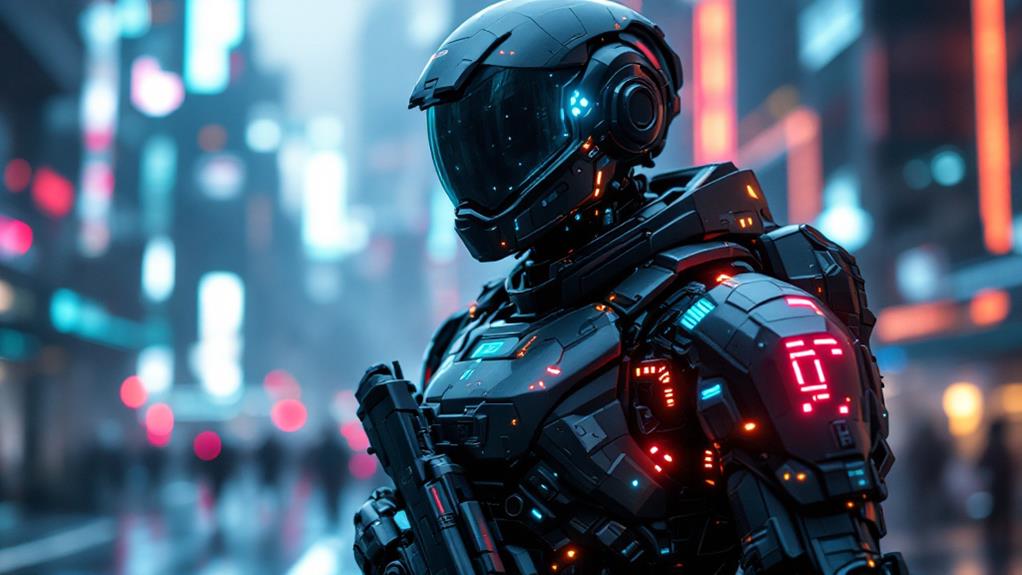
Since the 1970s, military robots have dramatically evolved. You'd see the initial bomb disposal robots designed to handle explosives safely, paving the way for remote-controlled vehicles in the 1980s. By the 1990s, drones became essential for surveillance and intelligence, which set the stage for today's complex combat bots. In modern warfare, these robots conduct reconnaissance missions and execute precision strikes, greatly reducing risks for soldiers. As technology advances, ethical concerns arise about accountability in combat. If you're interested in the challenges and future possibilities of military automation, there's much more to investigate.
Early Beginnings of Military Robotics
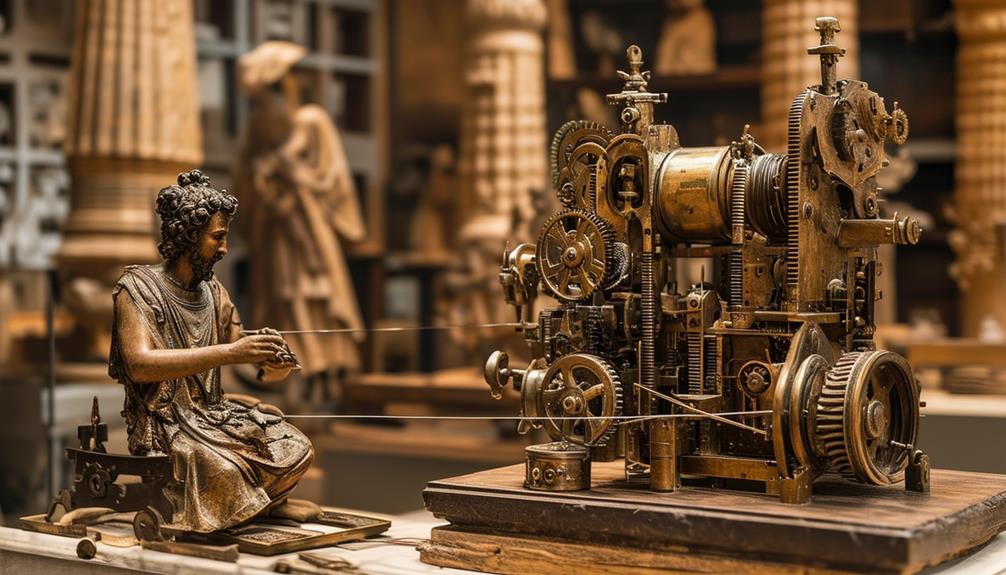
In the early days of military robotics, innovators sought to advance warfare through automation and technology. You'll find that these pioneering efforts laid the groundwork for robotic innovations that would eventually transform the battlefield. Early concepts aimed to improve tactical advantage while reducing human risk, leading to the development of machines designed for diverse battlefield applications.
One of the initial notable efforts included remote-controlled vehicles that could scout enemy positions without putting soldiers in harm's way. These machines showcased the potential of robotics in gathering intelligence and executing reconnaissance missions. As you examine the advancements, you'll notice how these innovations began shifting traditional combat strategies.
Moreover, the integration of robotic systems allowed military forces to perform tasks that were once deemed too dangerous for human soldiers. This push for automation not only improved operational efficiency but also sparked further research into more advanced robotic systems. By embracing these early robotic innovations, the military began to understand how technology could redefine the landscape of warfare, paving the way for future developments. As you look back, it's clear that these foundational efforts set the stage for the complex military robots we see today.
The Rise of Bomb Disposal Robots
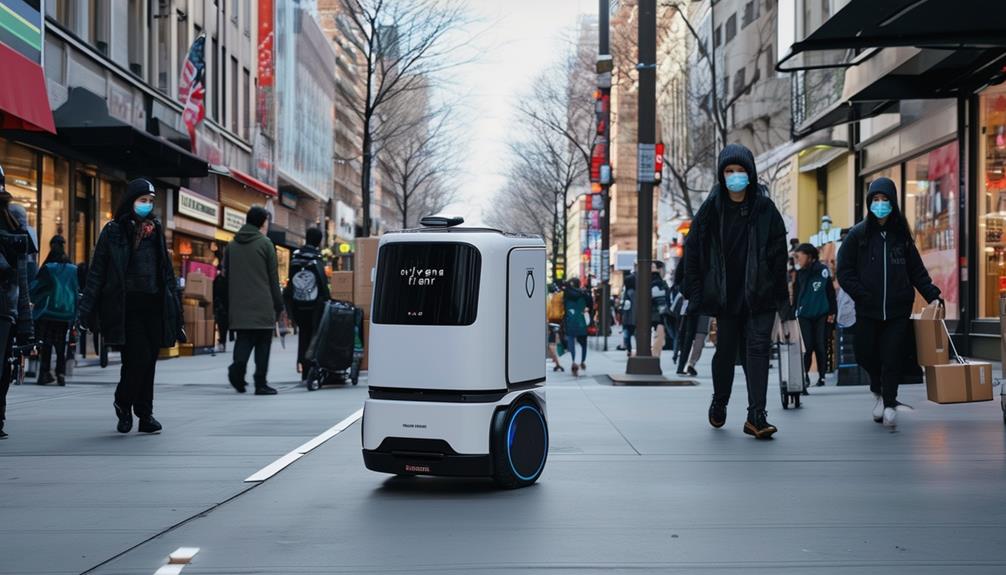
The emergence of bomb disposal robots marked a significant turning point in military robotics. These machines represent a vital phase in robotic evolution, bringing advanced explosive detection capabilities to the forefront of tactical applications. With their ability to safely identify and neutralize threats, bomb disposal robots have dramatically improved battlefield safety for soldiers and civilians alike.
In recent conflicts, you've likely seen how human-robot collaboration boosts mission success. Soldiers can control these robots from a distance, allowing them to assess dangerous situations without putting themselves at risk. This technological integration not only increases operational efficiency but also enables military personnel to focus on broader strategic objectives.
As bomb disposal robots continue to evolve, they incorporate features like advanced sensors and artificial intelligence, making them more effective in diverse environments. You can appreciate how these innovations have reshaped the landscape of military operations, allowing for quicker responses to explosive threats. The rise of bomb disposal robots showcases the commitment to protecting lives while maintaining high standards of mission success in complex situations. This evolution reflects a future where humans and machines work together seamlessly to confront the challenges of modern warfare.
Advancements in Remote-Controlled Technology
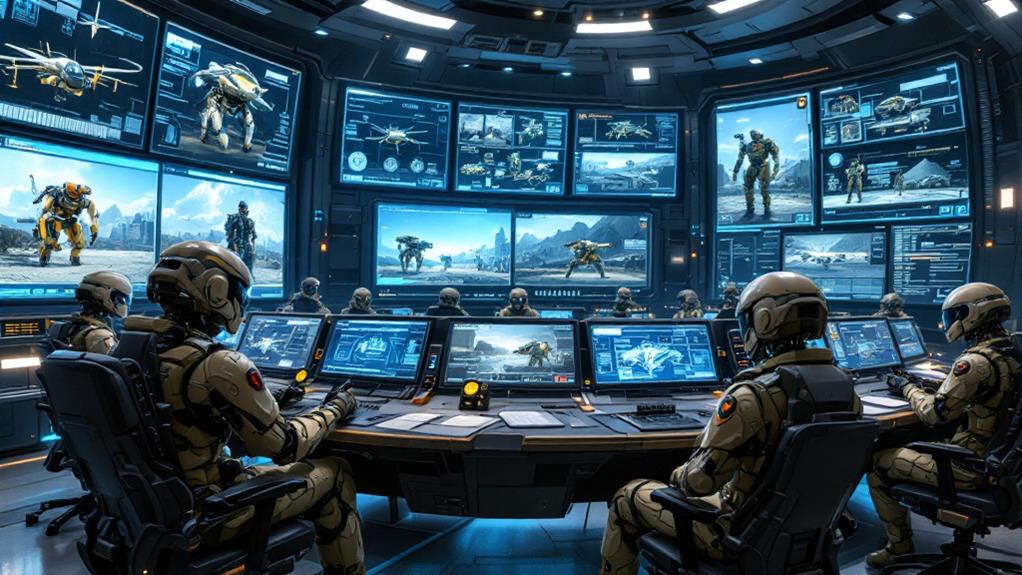
Remote-controlled technology has transformed military operations, enhancing the effectiveness and safety of robotic systems on the battlefield. With advancements in teleoperation systems, you can now control drones and ground robots with incredible precision from a safe distance. These systems allow you to manage multiple units simultaneously, providing real-time feedback and situational awareness.
One of the key features of modern remote-controlled technology is sensor integration. By incorporating advanced sensors into robotic systems, you're able to gather essential data on the environment, enabling smarter decision-making. For instance, thermal imaging, LiDAR, and cameras can be integrated into these robots, giving you a thorough view of the battlefield. This data helps you assess threats, identify targets, and navigate complex terrains without putting troops at risk.
Moreover, improvements in communication technology have reduced latency and increased the range of remote-controlled operations. You can now operate robots over greater distances, ensuring that you maintain control even in challenging conditions. As military operations continue to evolve, these advancements in remote-controlled technology play a crucial role in enhancing mission success while prioritizing the safety of personnel on the ground.
Introduction of Autonomous Systems
With the foundation laid by advancements in remote-controlled technology, military forces have begun integrating autonomous systems into their operations. These systems are redefining how you approach warfare, offering capabilities that were once unimaginable. You're witnessing the rise of machines that can think and act independently, utilizing autonomous navigation and robotic perception to make decisions in real-time.
Consider the implications of this shift:
- Reduced Risk: Autonomous systems can operate in dangerous environments, keeping soldiers out of harm's way.
- Increased Efficiency: They can process vast amounts of data quickly, enhancing situational awareness and mission effectiveness.
- Ethical Dilemmas: The autonomy of these machines raises questions about accountability and the morality of using robots in combat scenarios.
As you investigate deeper into this evolution, you'll find that the integration of autonomous systems presents both exciting opportunities and complex challenges. The future of military operations is changing rapidly, and understanding these innovations is vital for grasping the next phase of warfare. Accept this knowledge, as it shapes the landscape of conflict in ways that will resonate for generations to come.
Combat Bots in Modern Warfare
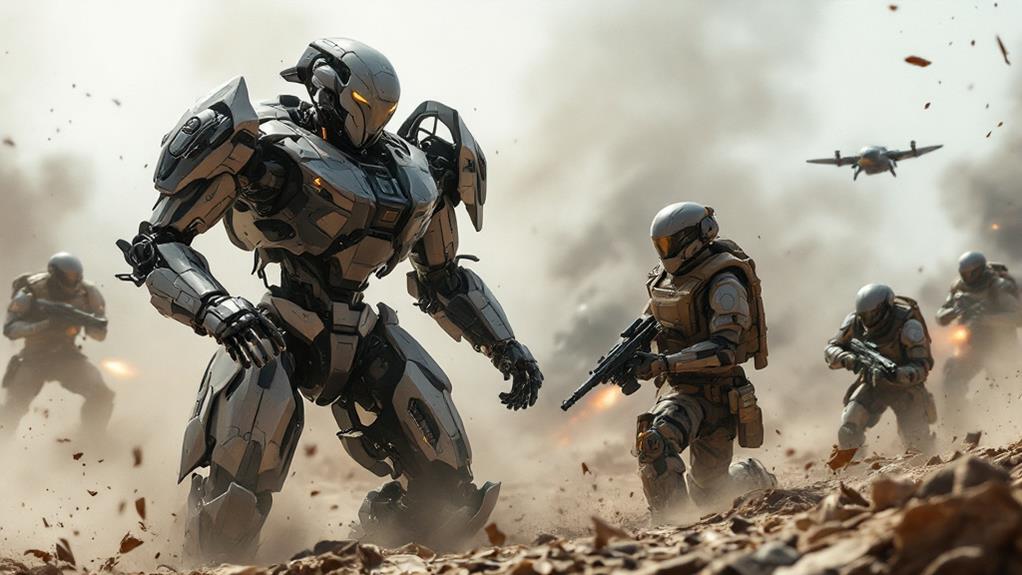
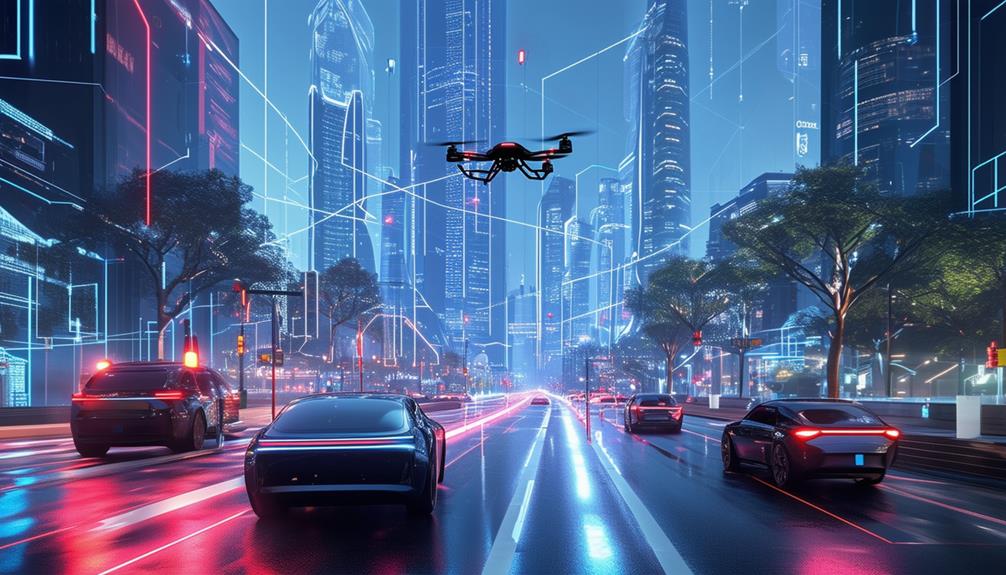
Utilizing cutting-edge technology, combat bots are transforming modern warfare by providing unprecedented capabilities on the battlefield. You'll see how these robotic soldiers improve military operations, taking on roles that were once the sole domain of human soldiers. With advancements in drone warfare, these bots can conduct surveillance, gather intelligence, and engage targets with impressive precision.
Imagine a battlefield where robotic soldiers patrol alongside humans, reducing the risk of casualties. They can perform reconnaissance missions in hostile environments, gathering critical data without putting lives on the line. Moreover, drone warfare has evolved into a highly strategic element, enabling remote strikes and real-time monitoring of enemy movements. These bots operate using advanced algorithms, allowing them to make split-second decisions that can change the outcome of engagements.
As you investigate the integration of combat bots, you'll realize that they're not just tools; they're becoming vital assets in military strategy. Their ability to operate in diverse terrains and conditions provides a tactical advantage, pushing the boundaries of traditional warfare. The future is here, and combat bots are leading the charge, shaping how nations approach conflict and defense.
Ethical Considerations and Future Trends
The rise of combat bots in modern warfare brings to light significant ethical considerations that demand careful examination. As you navigate this complex landscape, consider the moral implications of deploying autonomous systems. Who's accountable when a bot makes a mistake? As military technology advances, future regulations must address these accountability issues to guarantee civilian safety and uphold decision-making ethics.
Here are three key concerns you should reflect on:
- Technological Bias: Algorithms may inadvertently perpetuate existing biases, leading to unfair targeting in warfare.
- Warfare Transparency: The use of combat bots complicates transparency, making it harder for the public to hold military actions accountable.
- International Treaties: We need clear international treaties governing the use of military robots, assuring that all nations adhere to ethical standards.
As you ponder these challenges, keep in mind that the future of warfare depends on how we address these ethical dilemmas. Striking a balance between innovation and humanity is vital if you want to create a safe and just environment in an increasingly automated battlefield.