Modern Advances in Robotic Tactile Sensing: How Robots Feel the World
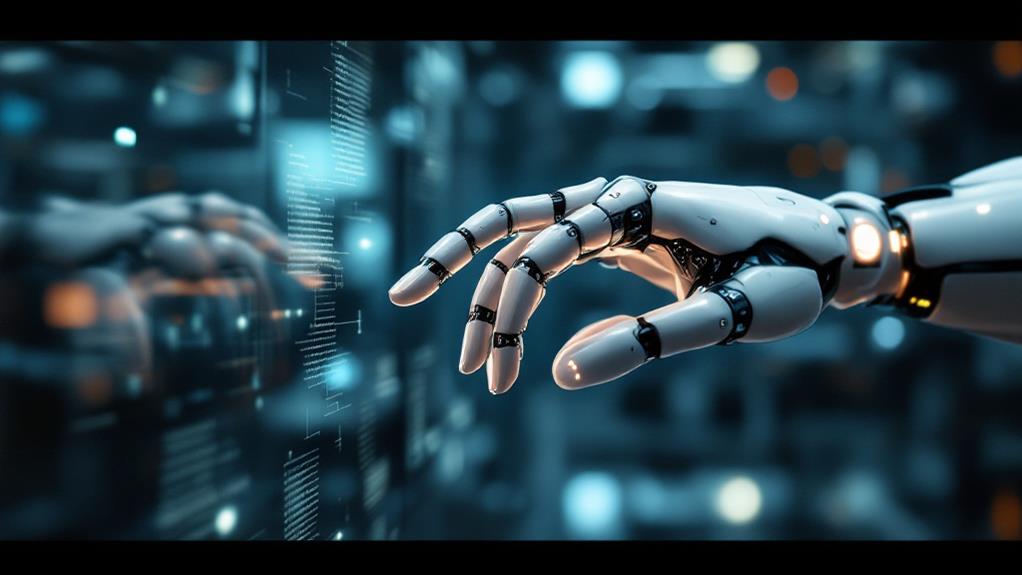
Modern robotic tactile sensing has taken significant strides, allowing robots to feel their environment much like humans do. With bio-inspired sensors and advanced materials, these machines can sense pressure, temperature, and texture, enhancing their ability to perform delicate tasks. Capable of real-time feedback, robots now adjust their grip based on object properties, improving interactions across diverse industries, from healthcare to agriculture. While challenges exist, such as sensor calibration and data processing, ongoing innovations promise even more intuitive robot experiences. Keep exploring these advancements, and you'll uncover how they're reshaping the future of robot interactions.
Evolution of Tactile Sensing
The evolution of tactile sensing has come a long way, transforming how robots interact with their environments. You might be surprised to learn that historical milestones date back to the early experiments in artificial skin and pressure sensors. These breakthroughs laid the foundation for today's advanced sensory evolution. Initially, robots were limited in their ability to perceive touch, but with each technological leap, their robotic perception improved greatly.
As researchers investigated the intricacies of tactile feedback, they developed more sophisticated sensors that mimic human touch. You can see how this innovation has enabled robots to perform delicate tasks, like picking up fragile objects without causing damage. With advances in materials and sensor technologies, robots now process tactile information in real-time, allowing for more intuitive interactions.
Key Technologies in Use
In the domain of robotic tactile sensing, numerous key technologies play a vital role in improving a robot's ability to interact with its surroundings. By leveraging advanced materials and groundbreaking designs, robots can better perceive and respond to tactile stimuli. Here are three notable technologies making waves in this field:
- Bio Inspired Sensors: Drawing inspiration from nature, these sensors mimic the way animals feel their environment. They often utilize flexible materials that can detect pressure, temperature, and texture, providing robots with a more nuanced understanding of their surroundings.
- Artificial Skin: This remarkable advancement enables robots to have a sense of touch similar to humans. Constructed from layers of conductive materials, artificial skin can sense varying degrees of pressure, making it invaluable for tasks requiring delicate handling.
- Multimodal Sensing: Combining multiple types of sensory data, such as touch, temperature, and vibration, allows robots to form a thorough picture of their environment. This integrated approach improves their ability to navigate complex tasks.
These technologies are setting the stage for more intuitive and capable robotic systems, fundamentally changing how robots interact with the world around them.
Types of Tactile Sensors
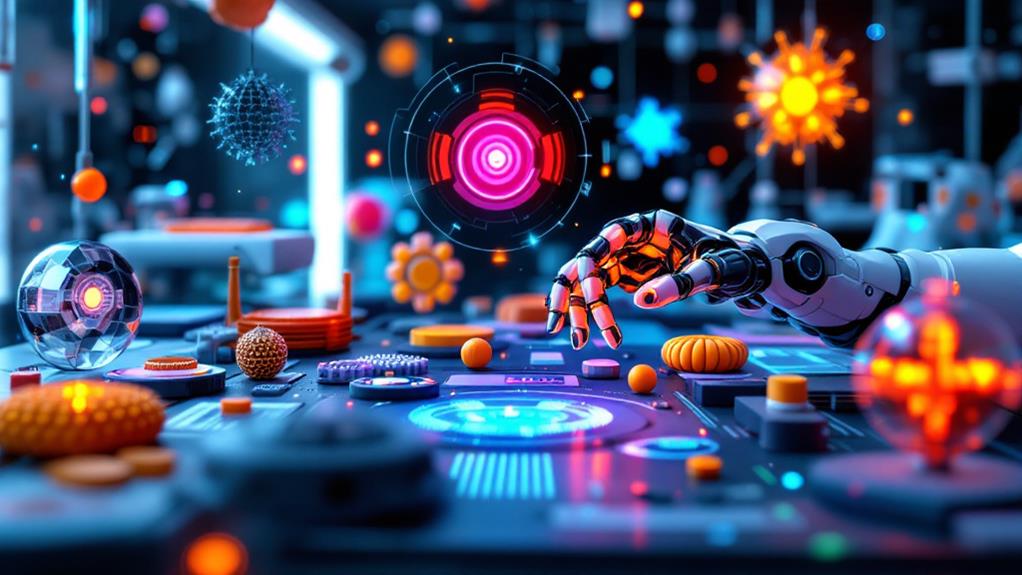
Tactile sensors come in different forms, each designed to improve a robot's ability to perceive touch and pressure. Capacitive sensing is a common method, utilizing changes in capacitance to detect proximity and force applied. Piezoelectric sensors, on the other hand, generate electrical charges in response to mechanical stress, making them ideal for detecting rapid changes in pressure.
Resistive technology measures the change in resistance when pressure is applied, offering a straightforward way to gauge force. Optical tactile sensors use light to measure deformation, providing precise feedback about touch. Thermal feedback sensors can detect temperature changes upon contact, adding another layer of sensory input.
Bio-inspired designs mimic natural organisms, enhancing robots' ability to interact with their environment. Sensor fusion integrates data from multiple types of sensors, leading to more accurate interpretations of touch. Eventually, multi-modal sensing combines diverse sensing modalities, allowing robots to achieve a richer understanding of their surroundings. Each type of tactile sensor contributes distinctly to a robot's sensory capabilities, making it more adept at maneuvering and interacting with the world around it.
Applications in Various Industries
Across varied sectors, robotic tactile sensing has transformed how machines interact with their environment. By enabling robots to "feel" their surroundings, this technology improves the functionality and efficiency of numerous applications.
Here are three key areas where robotic tactile sensing is making a significant impact:
- Medical Robotics: Surgical robots equipped with tactile sensors improve precision in delicate procedures. They allow surgeons to gauge tissue resistance, boosting safety and outcomes during operations.
- Agricultural Automation: In the sector of farming, robotic systems can use tactile sensing to assess soil conditions and crop health. This leads to better resource management and increased yields.
- Consumer Electronics: Touch-sensitive interfaces in devices like smartphones and tablets rely on advanced tactile sensing. This technology guarantees responsive and intuitive user experiences, making devices easier to use.
Robotic prosthetics also benefit from tactile sensing, enabling users to feel pressure and texture. In manufacturing, such technology increases efficiency by allowing robots to handle components delicately. Even autonomous vehicles utilize tactile feedback for safer navigation. Altogether, the integration of tactile sensing across industries is transforming how we interact with technology.
Challenges in Implementation
Implementing robotic tactile sensing presents several challenges that can hinder progress. One significant hurdle is sensor calibration. You need to verify that sensors accurately capture and interpret tactile information, which can be tricky due to variations in materials and environmental conditions. If calibration isn't done correctly, you might end up with unreliable data that could compromise a robot's ability to perform tasks effectively.
Another challenge lies in data processing. The sheer volume of tactile data generated by sensors can overwhelm existing processing systems. You'll need robust algorithms capable of filtering, analyzing, and translating this data into actionable insights in real time. Without effective data processing, even well-calibrated sensors may fail to deliver the necessary information for decision-making.
Moreover, integrating tactile sensing with other sensory modalities adds complexity. You'll need to verify that the robot can harmonize tactile feedback with visual or auditory cues for improved situational awareness. As you tackle these challenges, it is vital to focus on developing streamlined solutions that boost the efficiency and reliability of robotic tactile sensing, paving the way for broader applications in diverse fields.
Future Trends and Innovations
As you work through the challenges of implementing robotic tactile sensing, it's exciting to contemplate the future trends and innovations that are on the horizon. These advancements will greatly improve how robots interact with their environments and perform tasks with greater precision. Here are three remarkable trends to watch:
- Material Innovation: New materials, particularly in soft robotics, will allow for more flexible and adaptable sensors that can mimic human touch. This innovation will enhance haptic feedback, making robotic interactions feel more natural.
- Machine Learning and Adaptive Algorithms: As machine learning techniques evolve, robots will utilize adaptive algorithms to process sensory data more effectively. This real-time processing will enable robots to learn and adjust to different environments, improving their sensory integration capabilities.
- Multimodal Sensing: The combination of tactile, visual, and auditory inputs through multimodal sensing will provide robots with a richer understanding of their surroundings. This integration will lead to more intuitive interactions and better decision-making.
These trends pave the way for a future where robots can feel and respond intelligently, improving their functionality across numerous applications.
Impact on Human-Robot Interaction
Robotic tactile sensing's evolution is set to transform human-robot interaction in profound ways. As robots gain the ability to perceive touch, you'll notice a notable improvement in user experience. This sensory feedback allows robots to respond more naturally to your actions, creating an emotional connection that fosters trust building.
With intuitive control over robotic systems, you'll find it easier to collaborate and communicate. This level of interaction design improves social acceptance, as robots become more relatable and capable of understanding your needs. User feedback will play a vital role in shaping these advancements, allowing developers to create systems that truly resonate with you.
Imagine a robot that can adjust its grip based on the texture of an object, making it feel more human-like. This ability to adapt improves the holistic interaction, resulting in smoother experiences. As you engage with these tactile robots, you'll realize that their empathetic responses can notably impact your perception of them. The future of human-robot interaction lies in this blend of technology and emotional intelligence, ultimately paving the way for a more harmonious coexistence.