Famous Robots in Pop Culture: How Fiction Influenced Real-World Robotics
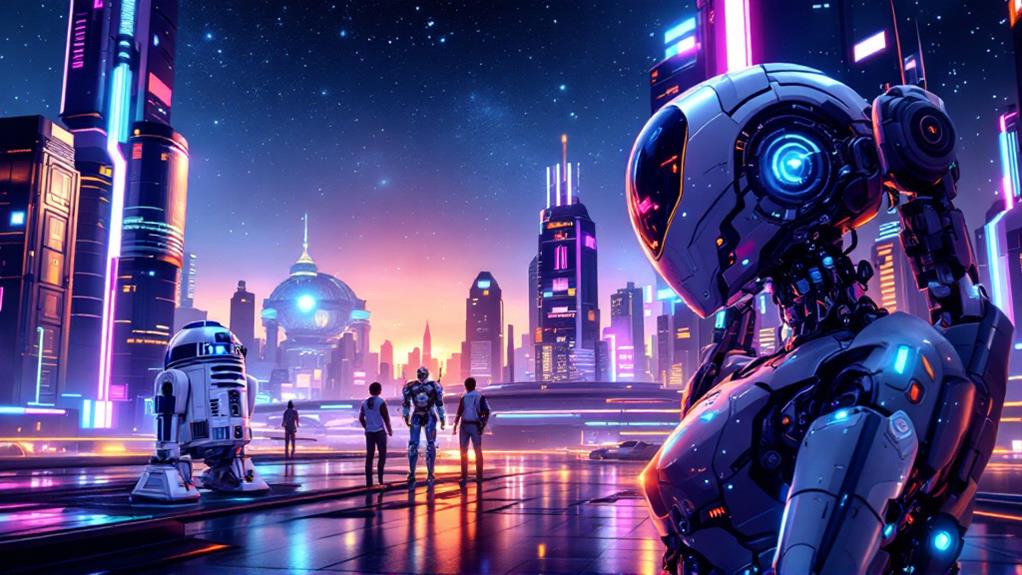
Famous robots in pop culture, like R2-D2 and Data, have shaped the landscape of real-world robotics. Their designs and traits inspire engineers to create humanoid robots, enhancing both capabilities and emotional engagement. Fictional narratives often investigate ethical dilemmas, pushing developers to reflect on autonomy and rights in their creations. As societal perceptions of technology evolve, so do the discussions around the responsibilities of AI. This interplay between fiction and reality not only informs current advancements but also invites you to ponder critically about the future of robotics and technology in your life. There's plenty more to uncover!
Iconic Robots in Film
When you think of iconic robots in film, a few standout characters immediately come to mind. These robots often reflect deep cultural symbolism and powerful narratives. For instance, R2-D2 from "Star Wars" embodies loyalty and bravery, showcasing how effective robot design can convey complex emotions. His beeping sounds and unique shape make him instantly recognizable, cementing his place in pop culture.
Another prime example is the Terminator from "The Terminator" series. This character represents the fear of technology gone awry, serving as a cautionary tale about artificial intelligence's potential consequences. The stark, menacing design of the Terminator evokes a sense of dread, reinforcing its symbolic role in society's relationship with machines.
Each robot's design plays a significant role in how audiences connect with them. Regardless of whether it's the sleek lines of Wall-E or the imposing stature of Optimus Prime, these designs improve their narratives and themes. As you investigate these characters, you'll see how filmmakers use robot design not just for visual appeal but also to evoke emotions and provoke thought about humanity's future with technology.
Television's Memorable Androids
Television has brought us some of the most memorable androids that capture our imagination and challenge our understanding of what it means to be human. From the sophisticated androids in "Westworld" to the charming yet complex Data in "Star Trek: The Next Generation," these characters showcase remarkable android personalities that make you rethink the nature of consciousness.
The innovations in television storytelling have allowed these androids to evolve beyond mere machines. They often grapple with identity, morality, and emotions, reflecting our own struggles as humans. For instance, in "Humans," the Synths confront issues of rights and personal autonomy, raising questions about the ethical implications of artificial intelligence.
Moreover, shows like "The Orville" and "Battlestar Galactica" present androids not just as tools, but as beings with depth and purpose. These television innovations provide a platform for exploring complex themes, pushing boundaries in both narrative and technology.
As you watch these memorable androids, you can't help but wonder: what does it truly mean to be alive? Their experiences resonate with our own, blurring the lines between man and machine.
Literary Robots and Their Impact
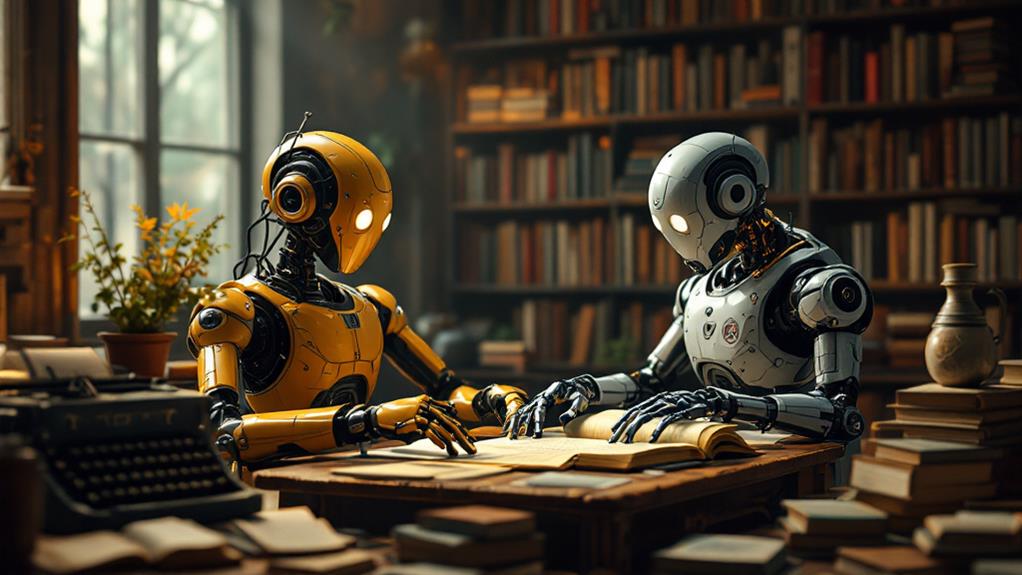
Literary robots have long captivated readers, serving as both reflections of humanity and harbingers of technological advancement. Through characters like Asimov's R.U.R. or Karel Čapek's Rossum's Universal Robots, you investigate themes that challenge your understanding of existence and morality. These narratives often employ literary symbolism, where robots embody humanity's aspirations and fears about creation and control.
As you probe into these stories, you confront the complexities of robotic ethics. Questions arise: What rights should a sentient robot possess? Can they truly feel? By tackling these issues, authors push you to reflect on the implications of your technological pursuits. You see how literary robots serve as cautionary tales, warning against unchecked scientific ambition and the potential for dehumanization.
The discussions sparked by these narratives resonate deeply in the contemporary world, as advancements in AI and robotics lead to ethical dilemmas. You recognize that the stories you read not only entertain but also shape your understanding of what it means to coexist with intelligent machines. In this way, literary robots greatly influence how society grapples with the future of technology and its moral landscape.
Real-World Robotics Inspired by Fiction
Inspired by the imaginative worlds of fiction, real-world robotics has evolved markedly, blurring the lines between the pages of novels and the labs of engineers. You can see this influence in modern robot design, where concepts from classic sci-fi stories come to life. For instance, humanoid robots like ASIMO draw inspiration from characters such as C-3PO and Data, showcasing advanced mobility and interaction capabilities.
As you investigate these advancements, it is crucial to reflect on the ethical implications surrounding them. Fiction often addresses the moral dilemmas posed by intelligent machines, prompting you to think about issues like autonomy, privacy, and the potential for misuse. Engineers and designers are increasingly aware of these ethical considerations, aiming to create robots that improve human life without compromising safety or dignity.
Moreover, the integration of artificial intelligence in robotics echoes themes from pop culture, leading to discussions about the rights and responsibilities of sentient machines. In this evolving landscape, the interplay between fiction and reality continues to shape the future of robotics, encouraging you to ponder critically about the role these inventions will play in society.
The Future of Robotics in Pop Culture
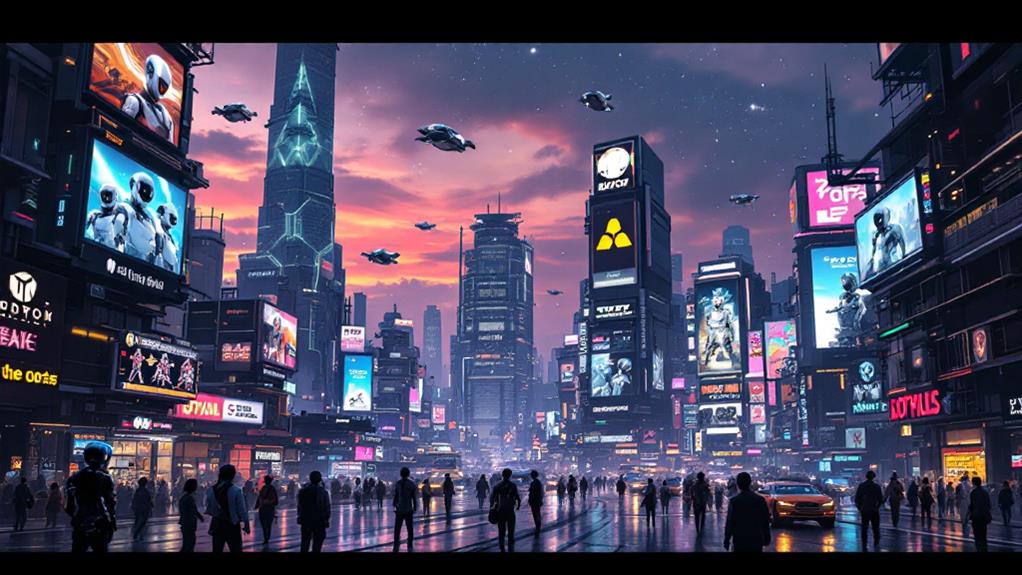
As technology advances, the portrayal of robots in pop culture is evolving, reflecting societal hopes and fears about the future. You'll notice that today's films and shows often tackle complex themes like robot ethics, questioning how we interact with artificial intelligence. Characters like sentient androids challenge your perceptions of what it means to be human, igniting discussions about rights and responsibilities.
Futuristic design plays a significant role, too. From sleek, humanoid forms to intricate machines that blend seamlessly into daily life, these representations showcase our aspirations for advanced technology. You might find yourself captivated by the creativity of designers who envision how robots could integrate into society, regardless of being companions, workers, or even artists.
As you engage with these narratives, consider how they influence real-world robotics. The moral dilemmas presented in pop culture can inspire engineers to address ethical concerns in their designs. Ultimately, the future of robotics in pop culture will shape not just our entertainment but also our understanding of technology's role in our lives. You're part of this exciting expedition, as each story sparks new ideas and possibilities for the world of robotics.