
Designing Billboard Advertising for Real Viewing Conditions
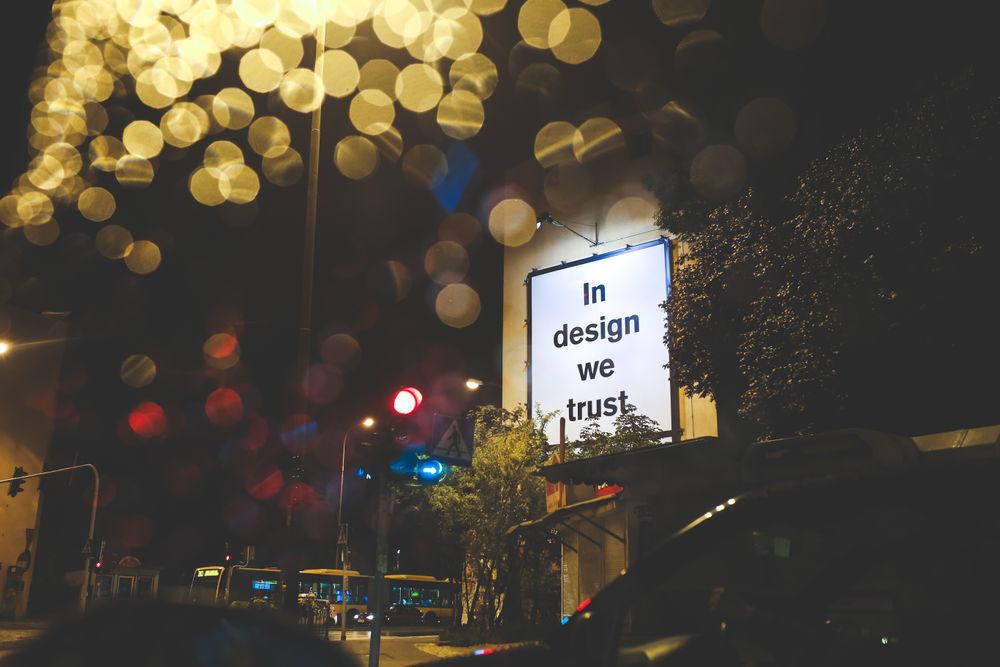
A billboard is experienced within a street or landscape, alongside movement, buildings and competing information. Its artwork therefore needs to be assessed beyond the design presentation. Brands considering billboard advertising in Dubai should connect the creative idea with the specific placement before approving production. Blue Ad features large static hoardings and digital outdoor assets on its website. The process starts by understanding what the audience can reasonably see, then giving that audience a message worth noticing.
Inspect the Site before Refining the Layout
Request the exact display dimensions and recent photographs of the placement. The artwork needs to relate to the actual visible area and proportions. A photograph from a convenient angle may be useful for identification, while another view may better represent the audience approach. Ask which direction and setting the proposed campaign is intended to address.
Consider the visual environment around the structure. Buildings, other signage and changes in the surrounding area can affect the composition the viewer encounters. The planner and designer should share this context early. It allows the team to discuss scale, contrast and message density against a real setting. Designing first and discovering the placement later can create unnecessary adaptation work or weaken the original idea.
Choose a Single Visual Priority
Decide which element should attract attention and which information should follow. The priority might be a product, a recognisable face, an unusual scene or a short proposition. Whatever the choice, the design needs a readable relationship between that element and the brand. A collection of competing priorities can make a large display feel unexpectedly difficult to understand.
Consider a hypothetical home furnishings advertisement. A clear room scene may communicate the product category, while the brand identifies the source. Adding unrelated product images, several promotional claims and detailed conditions could dilute the main idea. Review the execution against one communication task instead of asking every department to add its preferred message.
Give Supporting Information a Defined Job
Every additional line should help the viewer understand the central proposition or take an appropriate next step. Remove content that merely repeats another element. Where detailed conditions are necessary, agree a suitable execution with the responsible team before the artwork is finalised.
Research perspective — Orlando Wood discusses advertising with wit and human vitality. Applied here, visual interest should help viewers connect with the brand's idea.
Test Legibility without Guessing a Universal Rule
Text performance depends on the typeface, contrast, available space and viewing conditions. Test the actual design at reduced scale and discuss the intended viewing distance with the media partner. Check the brand name, headline and any essential destination information separately.
Blue Ad's listed static formats include large hoardings in several Dubai locations. Their scale gives designers room to create a bold composition, but size does not remove the need for editing. Fine text and delicate visual details can lose their intended role when the viewer sees the display from farther away. Approve the design for its communication performance in context, alongside the required technical checks.
Adapt the Concept to the Structure
Billboards with different proportions need deliberate adaptations. Stretching an existing layout can distort the product or leave the message poorly balanced. Recompose the artwork so the visual hierarchy remains clear. The brand, image and supporting information should each have an intentional place within the available area.
Ask for the current production specification before exporting files. A static display may require preparation for print and installation, while a digital display needs the agreed electronic format. The supplier should confirm the applicable requirements for the specific asset. Treat a technical proof and a creative approval as related checks.
Review the Final File Separately
Compare the supplied production file with the approved design. Check the spelling, dates, brand assets and required technical settings. A correct concept can still be damaged by an outdated export. Record the exact file name that has received final approval.
Consider Daytime and Evening Appearance
The viewing environment changes across the day. Ask how the selected display is presented during the intended campaign hours and what information the supplier can provide. For an illuminated static display, seek a relevant example or current photograph. For a digital asset, confirm the operating arrangements and review the creative against the screen specification.
Colour and contrast deserve attention in those reviews. An artwork that feels refined on a desktop monitor may not retain the same hierarchy outdoors. Discuss representative previews and production checks with the responsible supplier. Avoid promising that a particular colour treatment will behave identically in every setting. The practical aim is to identify foreseeable problems while the design can still be adjusted without disrupting the campaign schedule.
Research perspective — Richard Shotton emphasises contextual influences on behaviour. Applied here, review the billboard within the setting and time in which it will appear.
Coordinate Production with the Campaign Calendar
Work backwards from the planned start date and identify the approvals required along the way. Static production can involve printing, delivery and installation. Digital preparation can involve file testing and scheduling. Request a timeline for the selected asset. The agreed production process should identify its specific dependencies.
The marketing team should know who can authorise the final artwork. Internal uncertainty can consume time that production needs. Keep a record of approved files and confirm the procedure for changes after approval. If the message includes a dated offer, check that the production and booking periods match it. This connects the creative promise with the dates when the audience will encounter the display.
Plan for Corrections before They Are Needed
Ask how replacement artwork would be handled and which deadlines apply. Clarify whether a change affects production, installation or scheduling. Written instructions are especially useful when several suppliers contribute to the campaign.
Document What Was Installed or Displayed
Delivery evidence should relate to the actual booking. For a static billboard, request dated photographs and the agreed confirmation of installation. For a digital execution, ask what scheduling or playback evidence is available. The report should identify the asset, creative and period. The buyer can then compare delivery with the approved plan.
When discussing billboard options with Blue Ad, confirm these reporting arrangements for the selected format. If an issue is observed, use the agreed contact and process promptly. This makes the delivery review an operational tool while there is still an opportunity to resolve a problem.
Research perspective — Mike Follett distinguishes different dimensions of attention. Applied here, a photograph of a display supports delivery review rather than proving viewer engagement.
Connect the Billboard with the Next Encounter
Think about what a person might do after remembering the advertisement. They may search the brand name, visit a store or discuss the product with someone else. The billboard should make the advertiser recognisable enough for that next encounter. Supporting channels can provide product details and a practical route to an enquiry or purchase.
Check whether the destination uses the same name, imagery and core promise. A confusing website or inconsistent offer can weaken the continuity created by the campaign. A hypothetical showroom launch, for example, should present accurate location and opening information when a potential customer looks it up. This preparation gives the outdoor execution a useful place within the wider customer experience.
Review the Message after Launch
Look at the installed or displayed artwork and compare it with the approved intent. Ask whether the brand and main idea remain clear in context. Record practical observations for the next production cycle.
Effective billboard preparation brings site assessment, creative editing and production control into the same conversation. The team needs to understand the actual viewing situation and preserve a clear visual priority. Delivery records then help confirm whether the approved execution appeared as planned.
Brands reviewing available outdoor formats can visit Blue Ad Advertising LLC and discuss the requirements of their campaign. A precise creative brief makes it easier to connect the message with a suitable structure and a realistic production schedule.
Alex Reed — editorial pseudonym, advertising features writer
Related posts