AI in Space Exploration: From Mars Rovers to Deep Space Probes
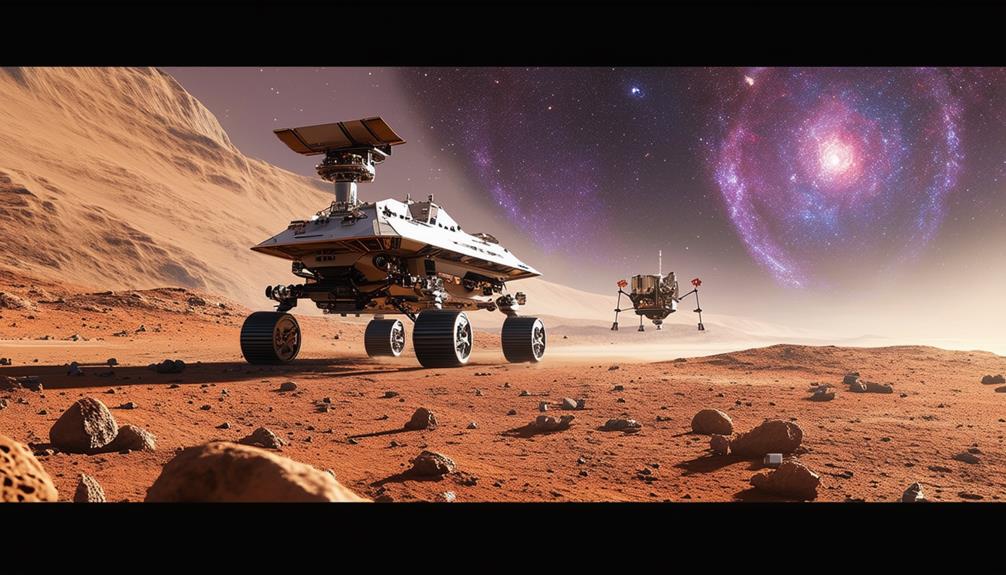
AI has revolutionized space exploration, significantly enhancing the capabilities of Mars rovers and deep space probes. These intelligent systems autonomously navigate treacherous terrains, analyze vast quantities of data, and maintain spacecraft systems. For example, a rover can make split-second decisions to avoid obstacles on Mars, while a probe can optimize its route through space without human intervention. Key technologies such as machine learning, computer vision, and autonomous systems enable these advancements, shaping the future of space missions by increasing their efficiency and reducing the need for constant human oversight.
Autonomous Navigation
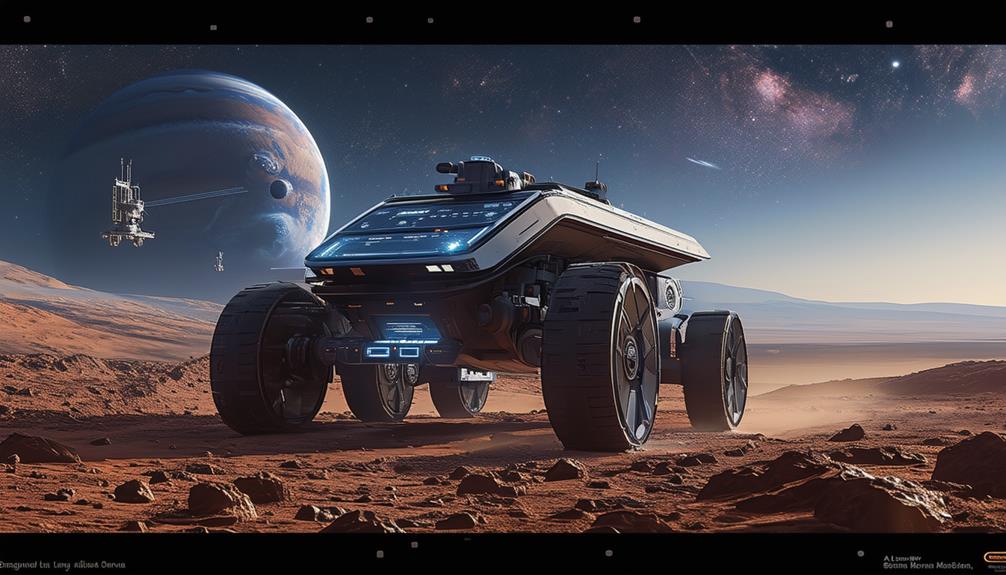
Autonomous navigation enables spacecraft and rovers to independently traverse space with the aid of AI-driven systems. For instance, Mars rovers like Perseverance can analyze terrain, select optimal paths, and detect obstacles, ensuring efficient exploration. This technology is crucial for space missions where real-time human intervention is not feasible.
AI algorithms excel in precise route planning and obstacle avoidance, making decision-making both efficient and safe. Consequently, spacecraft can navigate complex environments without awaiting instructions from Earth, a significant advantage for deep space missions. Deep space probes, for example, rely heavily on autonomous navigation to explore distant planets and beyond.
The benefits of AI-driven autonomous navigation also extend to human space exploration. By handling navigation tasks, AI allows human resources to focus on more critical mission aspects, thereby enhancing overall mission efficiency and safety. This capability is not only about reaching new frontiers but also about ensuring effective and safe exploration.
Data Analysis
AI-driven data analysis is revolutionizing our understanding of the vast amounts of information collected from space missions. Mars rovers, such as NASA's Perseverance, transmit enormous datasets back to Earth, where AI algorithms play a crucial role in efficiently processing and interpreting this data. For instance, the SPOC algorithm assists scientists in rapidly identifying geological features in images, thereby streamlining the data analysis process and enhancing accuracy.
Expanding on this, the AI4Mars project trains AI algorithms to recognize specific scientific features on the Martian surface. By utilizing high-quality datasets, these AI-driven techniques significantly improve our capability to detect key features, providing deeper insights into the Martian environment. This process not only accelerates the identification of geological and scientific features but also ensures precise analysis of the data received.
Here are some key aspects:
| Feature | Description | Impact |
|---|---|---|
| SPOC Algorithm | Identifies geological features | Faster and more accurate analysis |
| AI4Mars Project | Recognizes specific scientific features | Enhanced insights into Martian environment |
| High-Quality Datasets | Essential for training AI | Improved precision and reliability |
| Mars Rovers Data | Extensive datasets from Mars missions | Rich and detailed information |
| AI-driven Analysis | Automates feature identification | Efficient and precise data processing |
These advancements underscore the transformative potential of AI in space exploration, enabling more efficient and accurate data analysis, which in turn leads to a deeper understanding of extraterrestrial environments.
Spacecraft Maintenance
AI enables autonomous diagnostic systems to continuously monitor spacecraft health, identifying issues before they escalate. Predictive maintenance algorithms analyze data to anticipate and prevent potential failures, while remote repair techniques ensure timely fixes even in the harsh conditions of space. These advancements not only improve mission reliability but also significantly extend the operational life of spacecraft.
Autonomous Diagnostic Systems
Imagine a spacecraft diagnosing its own issues and performing necessary repairs without waiting for human intervention. Autonomous diagnostic systems are turning this vision into reality, revolutionizing spacecraft maintenance, ensuring mission reliability, and optimizing performance.
AI-driven diagnostic systems provide quick issue detection and resolution, significantly boosting spacecraft maintenance efficiency. Predictive maintenance technologies anticipate problems before they become critical, allowing for timely interventions. Robotic systems equipped with AI can then execute autonomous repairs in space, extending the lifespan and operational efficiency of missions. These systems are indispensable in the challenging and remote environment of space exploration.
Here's how autonomous diagnostic systems enhance spacecraft maintenance:
| Feature | Benefit |
|---|---|
| AI-driven Diagnostic Systems | Quick issue detection and resolution |
| Predictive Maintenance | Prevention of critical failures |
| AI-powered Robotic Systems | Autonomous in-space repairs |
| Performance Optimization | Extended mission lifespan |
| Mission Reliability | Continuous operation assurance |
Predictive Maintenance Algorithms
Predictive maintenance algorithms leverage AI to continuously monitor spacecraft systems, addressing potential issues before they escalate. By analyzing sensor data and historical maintenance records, these algorithms can predict potential failures, optimizing maintenance schedules effectively. This proactive approach enhances spacecraft reliability, extends the lifespan of space equipment, and significantly reduces the risk of critical failures during missions.
Integrating these algorithms with AI technology ensures you're not merely reacting to problems as they arise but actively preventing them. This guarantees mission efficiency by minimizing downtime and avoiding costly repairs, allowing you to concentrate on mission objectives rather than unexpected technical problems.
Furthermore, early identification of maintenance needs contributes to overall mission safety. By knowing when and where to perform maintenance tasks, you ensure all systems are functioning optimally, which is crucial in the harsh environment of space. Predictive maintenance isn't just about maintaining the spacecraft; it's about ensuring the success and safety of the entire mission. Leveraging AI for predictive maintenance is therefore a transformative approach in space exploration.
Remote Repair Techniques
AI-driven remote repair techniques are transforming spacecraft maintenance by allowing robotic systems to execute essential repairs autonomously, even in the harshest space environments. These techniques utilize advanced AI to ensure your spacecraft remains in optimal condition.
- Predictive Maintenance: AI-driven predictive maintenance enables real-time monitoring of your spacecraft's health. This early detection system identifies potential issues before they become critical, enhancing mission reliability and extending equipment lifespan.
- Autonomous AI-driven Repairs: Robots like Robonaut on the International Space Station utilize AI to perform repairs without human intervention. This boosts mission efficiency and ensures that problems are promptly resolved.
- Preventive Measures: AI can recommend preventive measures to minimize risks and optimize performance. Proactively addressing potential issues helps maintain smooth spacecraft operations.
These AI-driven remote repair techniques are vital for prolonging the lifespan of your space equipment. By combining predictive maintenance, autonomous repairs, and preventive measures, your spacecraft's reliability and efficiency are assured throughout its mission. These advancements contribute to improved mission success and reliability in space exploration.
Planetary Exploration
Planetary exploration, exemplified by NASA's Perseverance rover mission, is crucial for studying Mars' geology and climate while searching for signs of ancient life. The Perseverance rover, an autonomous technological marvel, navigates the Martian terrain to collect data on geological features and planetary surfaces. Advanced AI algorithms enable the rover to identify and analyze rock formations, aiding scientists in understanding Mars' history and its potential for harboring ancient life.
AI technologies significantly enhance these missions by processing vast amounts of data more efficiently than humans. This capability allows the rover to make real-time decisions on which samples to collect and store for future analysis. These efforts are foundational, paving the way for human missions to Mars and other celestial bodies.
The collaboration between AI and planetary exploration extends beyond Mars to other missions within our solar system. As AI-driven technology continues to evolve, we become better equipped to tackle the challenges of exploring and understanding complex extraterrestrial terrains. This synergy between AI and space exploration promises to open new frontiers and brings humanity closer to interplanetary travel.
AI in Space Missions
In the context of space missions, AI plays a crucial role in autonomous navigation systems for spacecraft, such as NASA's Mars rovers. Beyond navigation, AI is pivotal in analyzing extensive datasets to identify geological features and potential signs of life. By enhancing real-time decision-making, AI ensures that space missions are more efficient, safe, and scientifically productive.
Autonomous Navigation Systems
Autonomous navigation systems enable spacecraft to operate independently, significantly enhancing the efficiency and safety of space missions. These systems leverage AI algorithms for essential tasks such as terrain analysis, route planning, and obstacle avoidance. For instance, NASA's Perseverance rover on Mars functions autonomously, allowing it to explore the Martian surface with minimal human intervention.
Here are three ways autonomous navigation systems are transforming space exploration:
- Efficiency: By allowing spacecraft like Mars rovers and deep space probes to make real-time decisions, AI algorithms dramatically improve mission efficiency, facilitating more extensive scientific investigations and data collection.
- Safety: These systems autonomously navigate around obstacles and identify potential hazards, thereby minimizing the risk of mission failure due to unexpected challenges.
- Expanding Exploration: Autonomous navigation systems are crucial for extending human reach and knowledge by enabling the exploration of distant and harsh environments that are too risky or impractical for human astronauts.
As AI-driven autonomous navigation systems advance, they will be essential for future missions beyond Mars, paving the way for humanity's ventures into deeper space.
Data Analysis Efficiency
AI significantly enhances data analysis efficiency in space missions by swiftly processing extensive datasets from various instruments, such as telescopes, satellites, and rovers. AI algorithms are adept at identifying patterns, extracting insights, and predicting astronomical events, thereby facilitating scientific discoveries. For example, the Kepler Space Telescope's implementation of AI has led to the identification of over 2,600 exoplanets through sophisticated data analysis.
Space telescopes like Kepler produce vast amounts of data that are impractical to analyze manually. AI automates this process, interpreting images and analyzing terrain features with exceptional accuracy. This enables scientists to decipher complex datasets and concentrate on the most promising celestial bodies.
Beyond data processing, AI's advanced analysis capabilities deepen our understanding of astronomical events and phenomena. Whether it's discovering a new exoplanet or analyzing the composition of a distant galaxy, AI-driven tools enhance the efficiency and precision of these tasks.
Real-time Decision Making
AI enhances space missions by enabling real-time decision-making, significantly boosting the autonomy and efficiency of spacecraft navigation. For instance, Mars rovers like Perseverance benefit from the ability to navigate the Martian terrain autonomously. Algorithms such as SPOC (Surface Property and Object Classification) play a crucial role by swiftly identifying geological features from images transmitted by the rover, facilitating rapid adjustments and improving mission outcomes.
Here's how AI contributes to space missions:
- Autonomous Navigation: AI allows spacecraft and Mars rovers to navigate independently, avoiding obstacles and selecting efficient paths without waiting for instructions from Earth.
- Data Processing: AI processes vast amounts of data in real-time, enhancing the efficiency of interpreting terrain and other celestial features.
- Enhanced Efficiency: Algorithms like SPOC accelerate data processing and improve the accuracy of autonomous driving applications for future missions.
Future Applications
As we look ahead, AI is poised to revolutionize space exploration through autonomous satellite monitoring, robotic deployment, and enhanced insights into solar phenomena. Future applications will see AI-driven systems deepening our understanding of the sun's behavior, which is crucial for predicting solar storms. By optimizing mission hardware and improving spacecraft performance, AI will make space missions more reliable and cost-effective.
Imagine autonomous robots conducting repairs or deploying instruments on distant celestial bodies without human intervention. These robots will navigate harsh environments and make real-time decisions, significantly extending the reach of human exploration. AI's role in rocket landing for autonomous navigation and control is another promising prospect, ensuring safer and more precise landings.
Current AI advancements, such as the James Webb Space Telescope and CIMON, are just the beginning. Kepler's AI-identified exoplanets highlight how AI can advance astrobiology, potentially leading to groundbreaking discoveries about life beyond Earth. The integration of AI in future missions will not only push the boundaries of what's possible but also make space exploration safer, more efficient, and more informative. As AI continues to evolve, so will our capabilities to investigate and understand the vast universe.
Conclusion
AI is revolutionizing space exploration by enhancing the capabilities of Mars rovers and deep space probes. It improves route planning, obstacle avoidance, and hazard identification, which are crucial for mission success. With AI, spacecraft can operate autonomously, optimizing their performance and analyzing data efficiently. As we strive for more cosmic discoveries, AI's role will continue to expand, pushing the boundaries of what is possible in space exploration. With AI, the universe is increasingly within our grasp.
Related posts