Understanding the Role of AI in Autonomous Systems
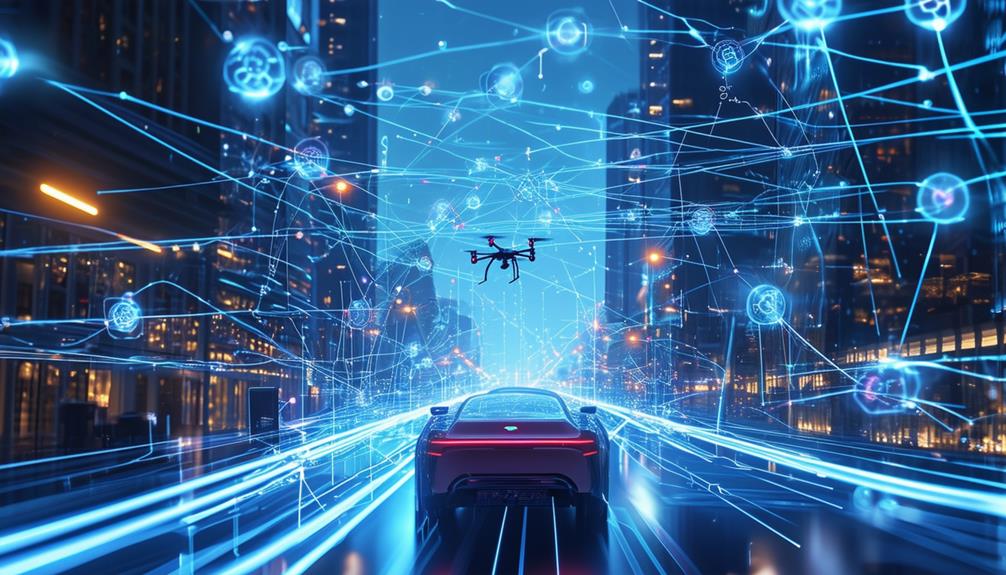
When considering autonomous systems, it is crucial to understand the pivotal role AI plays in enabling these technologies to operate independently. AI processes vast amounts of real-time data, allowing systems to learn, adapt, and make decisions without human intervention. This capability extends beyond efficiency; it transforms industries by revolutionizing processes and enhancing productivity. To fully grasp the complexity and potential of autonomous systems, it is essential to consider the different levels of autonomy and how they vary.
Defining Autonomous Systems
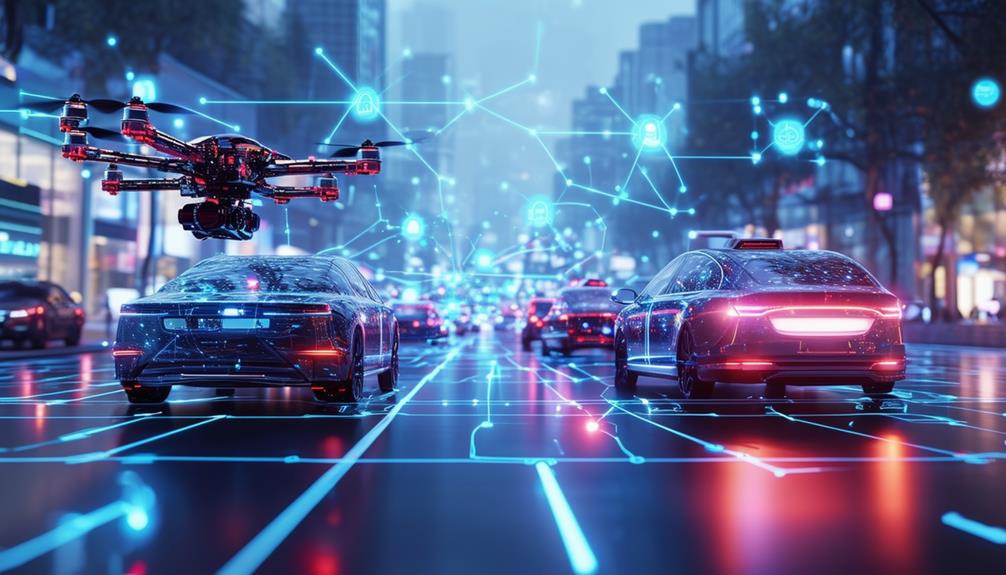
Autonomous systems are self-operating machines or devices that perform tasks without human intervention. For example, self-driving cars and drones delivering packages exemplify autonomous systems in action. Leveraging artificial intelligence, these systems can independently make decisions and adapt to varying environments. Whether it's a self-driving car avoiding an obstacle or a smart home device adjusting the thermostat based on user preferences, these systems demonstrate remarkable autonomy.
These systems rely on a combination of sensors, actuators, and feedback mechanisms. Sensors collect environmental data, which is then processed to make informed decisions. Actuators execute these decisions, enabling the system to move or perform tasks. Feedback mechanisms ensure continuous learning and performance improvement over time.
The applications for autonomous systems are vast and expanding. From industrial robots that enhance manufacturing efficiency to drones monitoring agricultural fields, autonomous systems are revolutionizing various industries. This advancement goes beyond convenience, achieving new levels of efficiency and productivity.
How AI Powers Autonomy
Artificial intelligence empowers autonomous systems through advanced algorithms that process large datasets and make real-time decisions. For example, AI enables autonomous vehicles to navigate complex environments without human intervention by analyzing sensor data from cameras, radar, and lidar to make instantaneous decisions on steering, acceleration, and braking.
These AI systems do not merely follow pre-programmed rules; they continuously learn and adapt. By processing unstructured data iteratively, they gain insights and optimize their performance over time. This ongoing learning loop is crucial for improving the efficiency and reliability of autonomous vehicles and other AI-driven technologies.
The level of autonomy achieved by an AI system largely depends on the extent of human oversight required. However, as AI algorithms evolve and improve, the need for human intervention decreases, allowing these systems to operate more independently. Technologies like Konfuzio exemplify this capability by enabling faster document processing and efficient data extraction, thereby reducing errors and manual labor.
Levels of Autonomy

To fully understand how AI integrates into various systems, you need to be familiar with the six levels of autonomy. These levels range from no automation to full autonomy and illustrate the evolution of human-machine interaction. By examining real-world applications, you can observe how different degrees of autonomy impact everyday technology.
Defining Autonomy Levels
Autonomy levels define the spectrum of independence and decision-making capabilities in AI systems, ranging from no automation to full automation. These levels are crucial for understanding the functionality of autonomous and semi-autonomous systems.
Level 0: No automation. Humans perform all tasks.
Level 1: Basic assistance. For example, cruise control in cars, where the system handles specific tasks but requires constant human oversight.
Level 2: Partial automation. The system can control both steering and acceleration, but the human driver must remain engaged and ready to take over at any time.
Level 3: Conditional automation. The system can make decisions and perform tasks under specific conditions, but the human driver must be prepared to intervene when required.
Level 4: High automation. The system can handle most tasks independently but may need human intervention in complex scenarios.
Level 5: Full automation. The system operates entirely on its own, with no need for human input.
These levels provide a framework for evaluating the capabilities and limitations of AI across various applications, ensuring a clear understanding of the extent to which these systems can operate autonomously.
Human-Machine Interaction
Understanding human-machine interaction at different levels of autonomy is crucial for the seamless integration and effective performance of autonomous systems. These levels range from no automation (Level 0) to full automation (Level 5), with varying degrees of human involvement and control. Knowing how much the system relies on AI for decision-making at each level is essential for its successful deployment.
At Level 1, the system provides driver assistance, requiring constant human supervision. By Level 3, the system can handle some tasks autonomously but still needs human intervention when necessary. At Level 5, the system operates without any human intervention.
Here's a detailed breakdown of the levels:
| Level | Description | Human Involvement |
|---|---|---|
| 0 | No Automation | Full Control |
| 1 | Driver Assistance | Constant Supervision |
| 2 | Partial Automation | Occasional Supervision |
| 3 | Conditional Automation | Occasional Intervention |
| 4 | High Automation | Minimal Intervention |
| 5 | Full Automation | No Control |
Understanding these levels helps gauge the extent of AI and autonomous capabilities integrated into the system. As you move to higher levels, the system's reliance on AI algorithms increases, reducing the need for human oversight. This progression is key to designing effective and reliable autonomous systems.
Real-World Applications
Real-world applications of autonomous systems span across diverse industries, showcasing their potential at various levels of autonomy. These systems are classified into six levels, ranging from basic driver assistance (Level 1) to full autonomy (Level 5). At Levels 1 and 2, features like adaptive cruise control and lane-keeping assist require that you stay engaged and ready to take control.
Level 3 systems can handle most driving tasks but still require you to be prepared to intervene if needed. At Levels 4 and 5, vehicles operate autonomously in specific conditions, requiring no human intervention. Picture ambulances navigating busy streets independently or cargo being delivered efficiently without a driver.
In aviation, autonomous systems are enhancing safety and efficiency. The medical field is also experiencing a transformation with autonomous technologies revolutionizing surgical procedures and patient care. Space exploration benefits significantly as well, with autonomous rovers and drones exploring distant planets. These applications underscore how autonomous systems are transforming sectors, offering new opportunities for improved efficiency and safety.
Key Benefits of AI
Integrating AI into autonomous systems enhances decision-making and operational efficiency. By automating routine tasks, AI allows focus on strategic initiatives. Additionally, AI's continuous learning and process optimization ensure increased productivity and scalability.
Enhanced Decision Making
AI in autonomous systems significantly enhances decision-making by swiftly analyzing large volumes of data. By leveraging AI, decisions can be made based on real-time information, leading to optimized outcomes and improved safety. These systems continuously learn from past decisions, thereby improving over time and reducing the likelihood of human error. By adapting to changing conditions and making autonomous decisions, AI ensures quick and accurate responses.
In autonomous vehicles, for example, AI can instantly process data from sensors and cameras to make split-second decisions, such as avoiding obstacles and reducing the risk of accidents. This adaptability is crucial for enhancing the safety of both passengers and pedestrians.
However, it's important to recognize that while AI reduces human error, it is not entirely flawless. Potential issues include biases in decision-making algorithms or unexpected behavior in unpredictable situations. Therefore, continuous monitoring and updates are essential to mitigate these risks.
Operational Efficiency
How does the integration of AI in autonomous systems lead to substantial improvements in operational efficiency? By automating routine tasks and processes, AI significantly enhances operational efficiency. Autonomous systems can handle repetitive duties with precision, reducing human error and freeing up time for more critical tasks. This automation directly boosts productivity, ensuring smooth and effective operations.
AI's capabilities in continuous data processing and real-time decision-making further optimize efficiency. Implementing AI in autonomous systems results in quicker, more accurate decisions, which is particularly beneficial in areas like inventory optimization and customer service analytics where timely and precise actions are essential. Studies have shown that AI adoption can lead to significant revenue increases, highlighting its direct impact on business performance.
For instance, McKinsey's research indicates that over 22% of earnings in 2019 were attributed to AI utilization. Furthermore, Deloitte's findings reveal that 65% of executives view AI adoption as a competitive advantage. Leveraging AI not only improves operational efficiency but also positions your business to make better, data-driven decisions, ultimately securing a competitive edge in the market.
Industry Applications
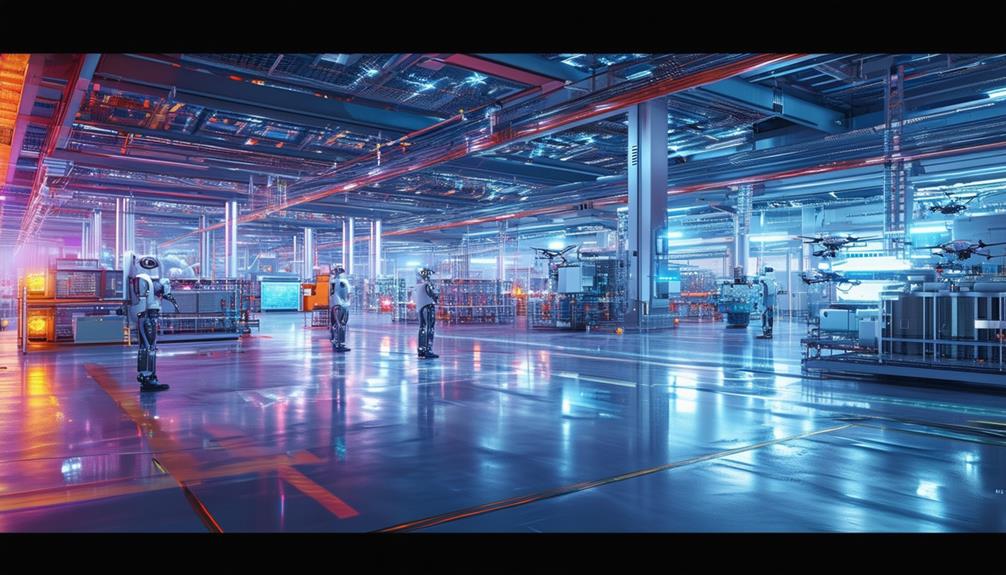
Autonomous systems are transforming various industries by enhancing efficiency, safety, and precision. In manufacturing, autonomous robots streamline production processes, minimize human error, and increase output, while ensuring safer working environments by managing hazardous tasks and operating in risky conditions.
The transportation sector also reaps significant benefits from autonomous systems. Autonomous vehicles improve road safety and optimize logistics operations, resulting in more efficient and reliable transportation networks. This reduces accident risks, boosts fuel efficiency, and alleviates traffic congestion.
In healthcare, autonomous diagnostic systems are revolutionizing patient care. These systems deliver highly accurate diagnostics, leading to improved patient outcomes and more efficient use of medical resources. AI-powered systems enable healthcare professionals to make quicker, more informed decisions.
Agriculture is another field experiencing notable advantages from autonomous systems. Autonomous drones and robotic systems monitor crops, optimize irrigation, and manage pests, leading to higher yields and more sustainable farming practices.
Here's a concise overview:
| Sector | Applications |
|---|---|
| Manufacturing | Autonomous robots for production and safety |
| Transportation | Autonomous vehicles for road safety and logistics |
| Healthcare | Autonomous diagnostic systems for accurate diagnoses |
| Agriculture | Autonomous drones and robots for crop monitoring |
This ensures cross-industry improvements in safety, efficiency, and sustainability.
Future Trends
Looking ahead, the integration of AI in autonomous systems is poised to drive transformative changes across various sectors. Predictions indicate that AI technologies could boost global GDP by up to 14% by 2030, underscoring their significant economic impact. A McKinsey survey found that 22% of respondents attributed over 5% of their 2019 earnings to AI, evidencing its growing role in revenue generation.
The COVID-19 pandemic has accelerated digital transformation and remote work, leading to increased adoption of AI and autonomous systems. This shift is not merely a temporary trend; it is fundamentally reshaping business operations. Deloitte reports that 65% of executives view AI adoption as a competitive advantage, highlighting its critical role in maintaining and enhancing market position.
However, the rise of autonomous systems also presents challenges. PwC predicts that by the mid-2030s, 44% of low-education workers are at risk of job displacement due to automation. While AI and autonomous systems drive economic growth, they also necessitate workforce reskilling and adaptation to mitigate job loss.
Conclusion
Understanding AI's role in autonomous systems reveals its transformative impact on industries through increased efficiency and innovation. By processing real-time data, AI enables systems to learn, adapt, and make independent decisions. This technology goes beyond mere automation; it revolutionizes operations, enhances productivity, and creates new opportunities. Embrace the future of autonomy, where AI drives progress and reshapes our world for the better.