The Introduction of Robotic Vacuum Cleaners: The Roomba Revolution
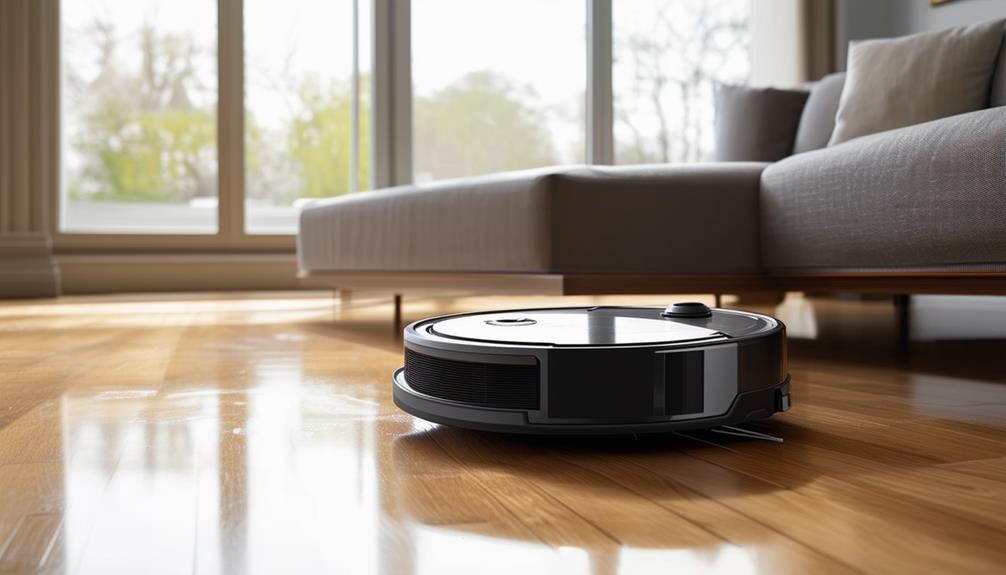
Imagine walking into your home and never having to worry about vacuuming again. The Roomba, introduced by iRobot in 2002, didn't just automate a mundane chore—it revolutionized it. You might wonder how a small, disc-shaped device could transform household cleaning so profoundly. With its advanced technologies like AeroForce Extractors and iAdapt Responsive Navigation, the Roomba set new benchmarks for efficiency and convenience. But what makes Roomba truly remarkable, and how did it reshape consumer habits and spark future innovations in home robotics? Let's delve into its evolution and impact.
The Birth of Roomba
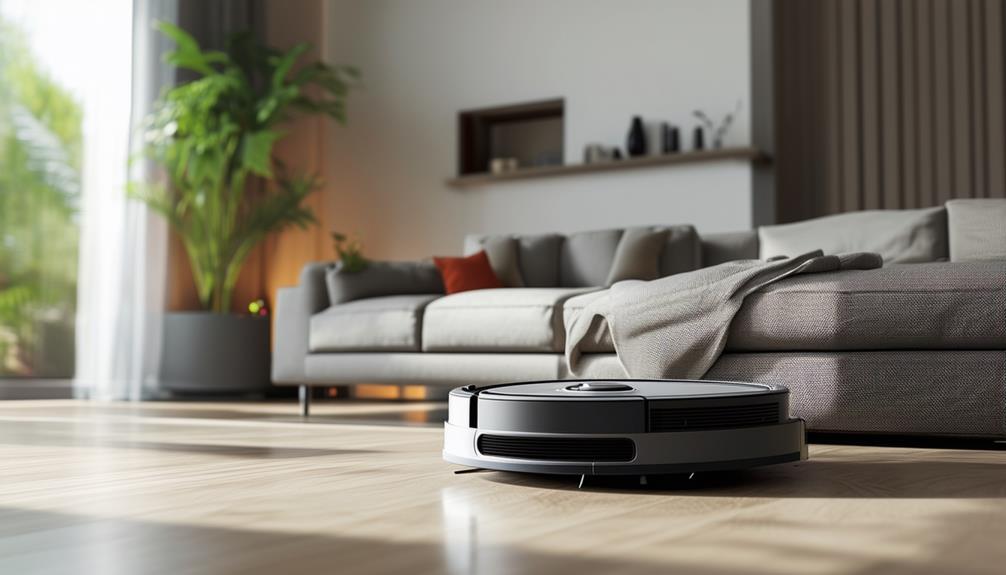
In 2002, iRobot introduced the Roomba, marking a significant milestone in home cleaning technology. The Roomba, an autonomous robotic vacuum, was the brainchild of engineer Joe Jones, who began developing the concept in 1989 at MIT. This innovative domestic robot quickly captured the public's imagination and transformed household chores.
Imagine having a small, intelligent device that navigates your home, cleaning floors effortlessly. That's precisely what the Roomba promised. This robot vacuum could maneuver around obstacles, detect dirty spots, and return to its charging station autonomously. It wasn't just a novelty; it was a practical, time-saving solution that brought the convenience of automation into everyday life.
The Roomba's initial success was remarkable. By 2004, over a million units had been sold, demonstrating significant demand for such technology. iRobot's creation not only cleaned floors but also revolutionized the concept of domestic robots. The success of the Roomba led to the development of advanced models, setting a precedent and paving the way for robotic vacuum cleaners in households worldwide.
Technological Advancements
Building on its initial success, the Roomba evolved with cutting-edge technologies that redefined home cleaning. The introduction of the Roomba 800 Series marked a significant leap forward with its innovative AeroForce Extractors. These extractors enhance suction power, improving dirt, debris, and hair pick-up by up to 50% compared to earlier models. The AeroForce system is also virtually maintenance-free, reducing the need for frequent cleaning.
The Roomba 800 Series also features iAdapt Responsive Navigation, a proprietary technology that enhances the robot's ability to navigate efficiently around your home. This intelligent system allows the Roomba to adapt to its surroundings, ensuring thorough coverage of your floors.
Artificial Intelligence plays a crucial role in optimizing the cleaning efficiency of Roomba models. AI-driven algorithms enable the Roomba to make real-time decisions, enhancing its performance in various home environments. While primarily focused on vacuuming, the advancements in the Roomba 800 Series pave the way for future innovations in floor scrubbing and more. These technological advancements make the Roomba a standout in the world of robotic vacuum cleaners.
Cleaning Capabilities
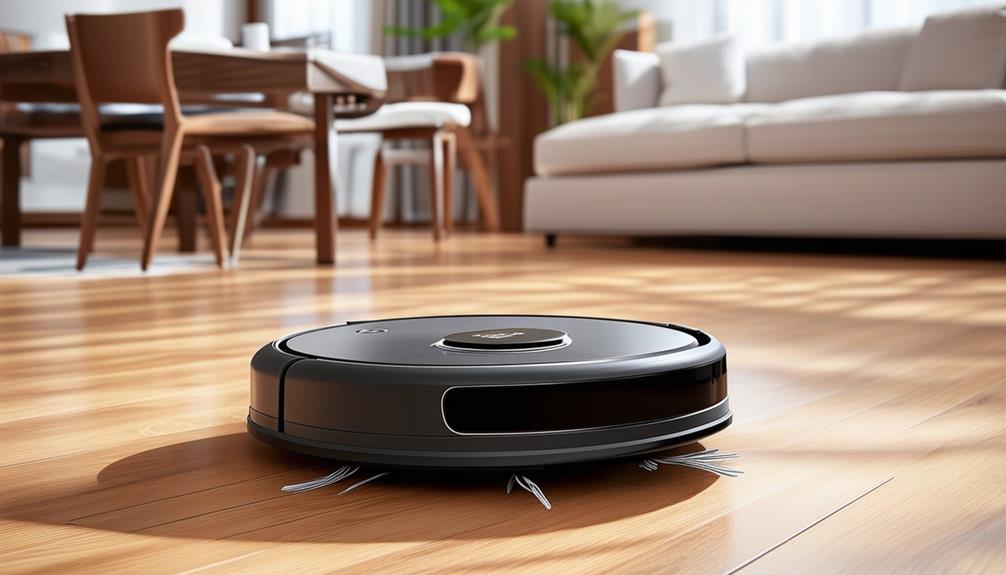
Thanks to its cutting-edge design and advanced technology, the Roomba 800 Series delivers an exceptional cleaning experience that effortlessly keeps your home spotless. These robotic vacuum cleaners feature AeroForce Extractors, which enhance suction power by up to 50% for superior pick-up of dirt, debris, and hair. This ensures your floors stay cleaner with minimal effort from you.
Roomba's innovative AeroForce Performance Cleaning System offers virtually maintenance-free operation, enhancing both efficiency and convenience. Key features that distinguish the Roomba 800 Series include:
- AeroForce Extractors: These tangle-free extractors reduce maintenance needs and improve cleaning efficiency by preventing clogs from hair and debris.
- iAdapt Responsive Navigation Technology: This system enables Roomba to navigate your home effectively, ensuring comprehensive floor coverage and efficient cleaning in every corner.
- Enhanced Suction Power: The advanced design delivers up to 50% better dirt and debris removal compared to previous models.
With over nine million units sold globally, Roomba robotic vacuum cleaners hold a 60% market share. The Roomba 800 Series redefines traditional floor care by leveraging advanced technologies, providing an effortless way to maintain a pristine home.
Model Evolution
You'll be amazed at how Roomba models have evolved since their debut in 2002. Starting with basic cleaning functions, iRobot has consistently introduced advanced features like AeroForce Extractors and iAdapt Responsive Navigation. Each new series, from the 600 to the latest models, brings significant improvements in design and functionality, ensuring they meet your cleaning needs effectively.
Technological Advancements Over Time
Since its debut in 2002, the Roomba has seen significant technological advancements that have greatly enhanced its cleaning efficiency. Each new model builds on its predecessor, incorporating user feedback and the latest innovations. These advancements ensure that the Roomba becomes smarter and more effective with each iteration, offering superior cleaning performance.
Key advancements include:
- Improved navigation systems: Modern Roombas utilize sophisticated sensors and advanced mapping technology to navigate homes more efficiently, avoiding obstacles and covering more ground.
- Advanced cleaning mechanisms: Features such as dual multi-surface brushes and powerful suction enable the latest Roomba models to excel at picking up debris, dirt, and pet hair.
- Enhanced battery life: The newest models offer longer battery life, allowing the Roomba to clean larger areas without needing frequent recharges.
These technological improvements have significantly boosted the Roomba's performance, making it a reliable and efficient cleaning assistant. iRobot's dedication to innovation ensures each Roomba release pushes the boundaries of what autonomous vacuum cleaners can achieve. Consequently, the Roomba has evolved into a highly efficient machine, providing smarter cleaning solutions for your home.
Design and Functional Improvements
Building on impressive technological advancements, the design and functional improvements of Roomba models have been pivotal in their evolution. From the initial-generation model in 2002 to the latest models in the 800 series, each iteration has introduced significant enhancements.
Design improvements include the AeroForce Performance Cleaning System, which boosts cleaning performance by increasing suction power and debris pick-up. The iAdapt Responsive Navigation Technology enables more efficient navigation, ensuring thorough coverage of your home. These technologies are critical in enhancing the overall user experience.
Functional improvements focus on the Roomba's ability to handle various types of dirt, debris, and hair more effectively. Newer models are equipped with proprietary cleaning technologies, making them more efficient and thorough. These advancements ensure that your Roomba can tackle even the toughest cleaning tasks effortlessly.
The evolution of Roomba models reflects iRobot's commitment to continuous innovation. By consistently integrating state-of-the-art solutions, they offer consumers an ever-improving vacuum cleaning experience. Each new model promises superior performance, making household cleaning easier and more efficient.
Market Impact
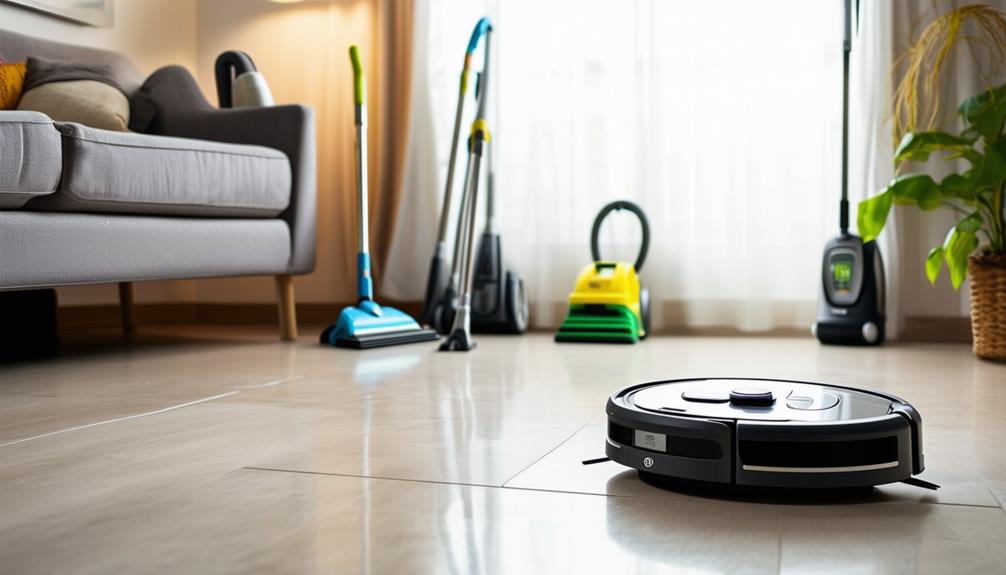
Roomba's market impact has significantly reshaped consumer habits and driven sales growth in the home cleaning industry. With iRobot commanding over 60% of the global market share, it's evident that these robots are more than just a passing trend. By analyzing sales trends and adoption rates, it becomes clear that Roomba has established itself as a household essential.
Sales Growth Analysis
As iRobot's Roomba product line continues to evolve, its market dominance and innovative features have significantly propelled sales growth. Since its introduction in 2002, iRobot has sold over nine million units of the Roomba, underscoring its strong foothold in the robotic vacuum cleaner market. With six models ranging from $300 to $700, iRobot caters to a broad spectrum of consumer preferences, driving substantial revenue growth.
The Roomba's ongoing innovation, exemplified by the Roomba 880's ability to remove 50% more dust and dirt than previous models, has significantly contributed to its sales growth. This model, priced at $700, highlights the company's commitment to enhancing performance, thereby boosting consumer interest and sales.
Key factors contributing to Roomba's sales growth include:
- Market Share: iRobot commands over 60% of the global market for home vacuum robots.
- Revenue Streams: In 2011, sales to the US Department of Defense constituted 40% of iRobot's revenue.
- Product Range: The diverse pricing of Roomba models appeals to a wide customer base.
These elements collectively illustrate how iRobot's strategic decisions and product innovations have driven Roomba's impressive sales trajectory.
Consumer Adoption Trends
Sales growth is impressive, but it's equally important to examine how consumer adoption trends have influenced Roomba's market impact. Since its introduction in 2002, the consumer adoption of robotic vacuum cleaners has steadily risen. iRobot, the creator of Roomba, holds over 60% of the global market share, underscoring the significant demand for these devices.
With more than nine million units sold, Roomba showcases robust consumer adoption. This trend is further emphasized by iRobot's dominance on major e-commerce websites, where their products often occupy top positions in the home robots category. The variety within the Roomba product line, comprising six models priced between $300 and $700, caters to diverse consumer preferences, making it accessible to a broader audience.
The increasing popularity of robotic vacuum cleaners like the Roomba highlights a shift in consumer behavior towards automation and convenience in home cleaning. As more households adopt these devices, iRobot's market influence continues to expand. By consistently meeting consumer needs, iRobot has cemented its position as a leader in the industry, demonstrating how consumer adoption directly impacts market share and the overall success of the Roomba.
User Experience
Interacting with the user experience of a Roomba is straightforward, thanks to its intuitive interface and smart features. The Roomba is incredibly user-friendly, making it easy to schedule cleaning sessions or control the device remotely using the iRobot HOME app. Its smart sensors ensure efficient cleaning by detecting dirtier areas and adjusting to various floor surfaces, eliminating the need for manual adjustments.
Roomba also integrates seamlessly with smart home systems, allowing for effortless automation of cleaning tasks. You can customize cleaning preferences, set virtual boundaries, and receive real-time notifications on cleaning progress, making it easy to manage your home's cleanliness, even when you're away.
Key features enhancing user experience include:
- Scheduling and Remote Control: Set up cleaning times and control your Roomba from anywhere using the iRobot HOME app.
- Smart Sensors: Adapt to different surfaces and focus on dirtier areas for a more efficient clean.
- Seamless Integration: Connect with smart home systems to automate and manage cleaning tasks effortlessly.
These features make Roomba a revolutionary tool for maintaining home cleanliness, offering both efficiency and convenience.
Future Prospects
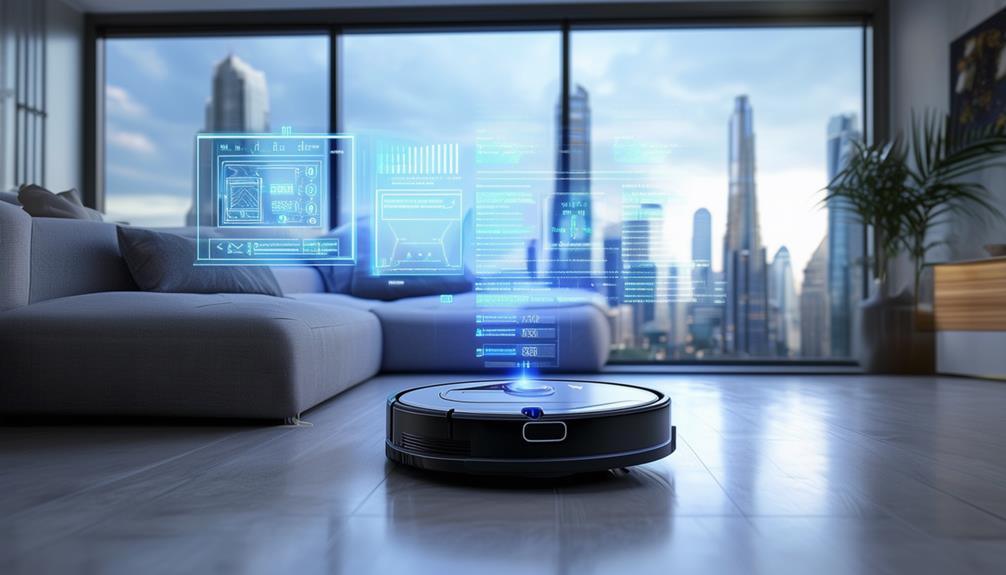
Looking ahead, iRobot's relentless innovation in robotic vacuum technology promises a bright future for the Roomba and other products. The company is set to continue pushing boundaries with advancements that enhance the efficiency and intelligence of their robotic vacuum cleaners. Their strong market presence and dominance in the consumer robot industry position them for sustained success.
| Key Focus Areas | Details |
|---|---|
| Technological Advancements | Enhanced AI, upgraded sensors, smarter mapping |
| Product Line Expansion | New home robots beyond vacuum cleaners |
| Global Expansion | Broader market reach worldwide |
| Defense & Security | Potential growth in these sectors |
iRobot's strategy to broaden its product lineup means consumers will soon benefit from additional home robots that simplify daily tasks. Their commitment to global expansion ensures wider access to their innovative technology. Furthermore, a resurgence in the defense and security sectors could solidify iRobot's market position, providing additional growth opportunities.
Conclusion
Roomba has revolutionized home cleaning with its innovative technology and intuitive design, transforming household chores into a hassle-free experience. By changing the way we approach cleaning, Roomba has proven to be more than just a gadget—it's a game-changer. Its evolution and market impact demonstrate its significant role in modern home maintenance. Looking ahead, expect even more advanced features and smarter designs, making cleaning even easier and more efficient. The future of home cleaning is truly exciting!