The History of the ELIZA Program: The First Chatbot

The roots of today's sophisticated chatbots trace back to the mid-1960s with the creation of ELIZA at MIT by Joseph Weizenbaum. ELIZA was not just a technical achievement but also a cultural phenomenon, simulating human-like conversations through basic pattern-matching techniques. One of its most famous scripts, DOCTOR, emulated a Rogerian psychotherapist, encouraging users to share their thoughts and emotions. ELIZA's lasting legacy profoundly influenced future AI developments, setting the stage for modern conversational agents.
Origins of ELIZA

In the mid-1960s, Joseph Weizenbaum developed ELIZA at the MIT Artificial Intelligence Laboratory. This pioneering program marked one of the earliest ventures into natural language processing, aiming to equip computers with the ability to understand and respond to human language. ELIZA employed pattern matching and substitution techniques to mimic human conversation. It identified specific patterns in text input and generated pre-programmed responses that appeared relevant, creating the illusion of understanding.
One of ELIZA's most notable versions was DOCTOR, designed to simulate a Rogerian psychotherapist. This variant analyzed user input, matched it to predefined patterns, and incorporated elements of the input into its responses. For instance, if a user typed "I feel sad," DOCTOR might reply, "Why do you feel sad?" This straightforward methodology gave early users the impression of meaningful interaction, despite ELIZA merely following a script.
Weizenbaum's creation highlighted both the potential and limitations of early AI. Its simplicity allowed amateur programmers to modify and extend its functionalities, ensuring ELIZA's lasting impact and significance in the field of artificial intelligence.
Development Process
ELIZA's development process began with initial design concepts aimed at simulating human conversation. Joseph Weizenbaum wrote the program in MAD-Slip, employing pattern matching and substitution algorithms. These foundational choices enabled ELIZA to reflect users' inputs back to them, forming the core of its interactive capabilities.
Initial Design Concepts
In the early 1960s at the MIT Artificial Intelligence Laboratory, Joseph Weizenbaum created ELIZA, a pioneering program that used pattern matching and substitution to simulate human conversation. ELIZA was one of the earliest chatterbots, designed to demonstrate how superficial human-computer interactions could be. By focusing on basic language constructs, it employed a matching and substitution methodology to generate responses that mirrored user inputs, creating the illusion of understanding.
Weizenbaum's design relied on simple yet effective techniques to mimic the structure of human dialogue. ELIZA did not 'understand' content but used scripted responses to create the appearance of comprehension. The program's most popular variant, DOCTOR, simulated a Rogerian psychotherapist by echoing user statements to encourage further interaction. This method showed how easily users could be led to believe they were engaging with a sentient entity, despite the rudimentary underlying mechanics.
ELIZA's early language processing techniques set the stage for future developments in artificial intelligence, highlighting both the potential and limitations of such systems.
Programming and Algorithms
To bring ELIZA to life, Joseph Weizenbaum meticulously programmed the system using the MAD-Slip language on an IBM 7094 computer at MIT. His primary objective was to enable ELIZA to engage in conversations by mimicking human responses through the use of pattern matching and substitution algorithms. These algorithms scanned user inputs for keywords and applied transformation rules to generate appropriate responses.
Key aspects of the programming process included:
- Pattern Matching: Identifying relevant keywords in user inputs to determine the context of the conversation.
- Substitution Algorithms: Rephrasing user statements to maintain the flow and coherence of the conversation.
- DOCTOR Script: Simulating a Rogerian psychotherapist by reflecting user inputs to create an empathetic interaction.
- User Interaction: Fostering a sense of human-computer communication by generating human-like responses.
- Natural Language Processing: Early attempts at understanding and generating human-like responses.
Weizenbaum's approach did not aim for true language comprehension but sought to create a responsive conversational interface. The DOCTOR script exemplified this by rephrasing user statements to simulate an empathetic psychotherapist, allowing ELIZA to maintain a semblance of conversation. Although ELIZA did not truly 'understand' natural language, it marked a significant milestone in the development of chatbots and natural language processing. Joseph Weizenbaum's innovative programming laid the groundwork for future advancements in AI-driven conversations.
Key Features
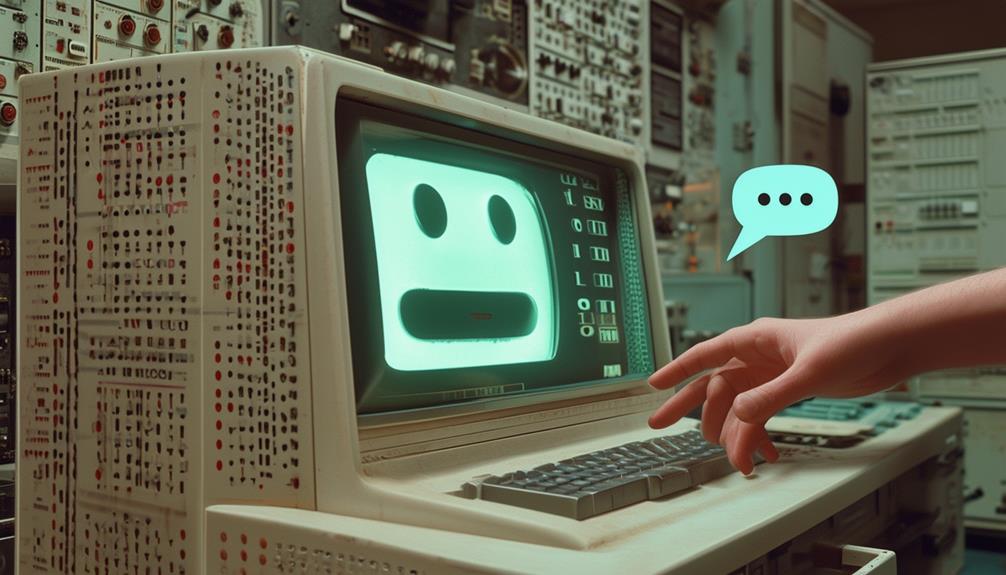
ELIZA's key features include its use of pattern matching and substitution to create the illusion of human-like conversation. Developed by Joseph Weizenbaum in the 1960s at MIT's Artificial Intelligence Laboratory, ELIZA was a pioneering chatbot in the field of Artificial Intelligence. It demonstrated that simple algorithms could mimic human language, providing users with the illusion of understanding and genuine human-like interaction.
The core of ELIZA's functionality was its ability to recognize patterns in users' input and substitute parts of the input into pre-defined templates. This allowed ELIZA to respond in ways that seemed contextually appropriate, even though it had no real comprehension of the conversation. The program's most famous script, DOCTOR, simulated a Rogerian psychotherapist by using reflective questioning, which made users feel that ELIZA understood their problems and provided thoughtful responses.
Despite its limitations in conversational depth due to its reliance on pre-programmed scripts, ELIZA engaged users effectively. It highlighted both the potential and the limitations of early Artificial Intelligence, paving the way for future developments in chatbots and human-computer interaction.
Technical Specifications
Understanding ELIZA's technical specifications showcases its innovative design, which effectively mimicked human conversation. Created by Joseph Weizenbaum, ELIZA was written in MAD-SLIP for CTSS on an IBM 7094, reflecting early advancements in natural language processing. Unlike today's advanced language models, ELIZA relied on basic text input and pattern recognition.
ELIZA generated responses by examining user input for keywords and applying transformation rules to simulate conversation. Although limited by today's standards, this method was groundbreaking at the time. The DOCTOR script, one of ELIZA's most famous implementations, mimicked a Rogerian psychotherapist by reflecting patient statements back, creating an illusion of understanding without true contextual comprehension.
Key technical elements included:
- Keyword Matching: Identifying significant words in the user's text input.
- Transformation Rules: Rephrasing input based on specific patterns.
- MAD-SLIP Programming: Utilization of this language on the IBM 7094.
- DOCTOR Script: Designed to simulate empathetic conversation.
- Contextual Limitations: Highlighted the challenges in replicating genuine human intelligence.
Despite these limitations, ELIZA managed to pass a rudimentary form of the Turing Test, convincing some users that they were interacting with a human. Like a character from a George Bernard Shaw play, ELIZA's responses were scripted but provided an intriguing glimpse into the future of artificial intelligence.
Cultural Impact

The cultural impact of the ELIZA program extends far beyond its technical achievements, significantly influencing both the early development of artificial intelligence and the popularization of chatbots. Upon first encountering ELIZA, it might have seemed like a basic program, but its ability to simulate conversation was groundbreaking. This capability contributed to its enduring appeal and made it a memorable milestone in the history of AI for those who interacted with it.
ELIZA's simplicity made it accessible for modifications and extensions by amateur programmers, demonstrating the community's keen interest in AI experimentation. This accessibility was crucial in its influence on early AI development, as enthusiasts could easily tweak and build upon the original code, fostering a collaborative environment.
Despite its limitations by today's standards, ELIZA had a profound impact on shaping our understanding of human language processing in machines. A resurgence of interest in 2018, spurred by a TV show feature, underscored its lasting significance and nostalgic appeal. ELIZA's role in the early days of chatbots continues to be celebrated, reminding us of the foundational steps taken toward more sophisticated AI interactions.
Legacy and Influence
ELIZA, created by Joseph Weizenbaum in the 1960s, has left a lasting impact on the development of chatbots and AI conversational agents. Despite its simplicity, ELIZA's legacy is profound, serving as a foundational model for future innovations in AI and interactive computing.
ELIZA's influence extends to several key areas:
- Inspiration for Future Chatbots: ELIZA demonstrated the potential of AI to simulate human-like interactions, paving the way for more advanced conversational agents.
- Educational Tool: Its straightforward design makes it an ideal project for students and amateur programmers, providing a practical introduction to AI and natural language processing.
- Historical Significance: As a nostalgic piece of early AI history, ELIZA reminds us of the humble beginnings of interactive computing.
- Resurgence of Interest: A feature on a popular TV show in 2018 revived interest in ELIZA, showcasing its enduring appeal.
- Ethical Discussions: Weizenbaum's creation continues to provoke debates on the ethical implications of AI and human-computer interactions.
While ELIZA's simplistic design may reveal its lack of true intelligence, its historical significance and the conversations it sparked ensure its place in the chronicles of AI history.
Future of Chatbots

Building on ELIZA's legacy, today's chatbots like ChatGPT are pushing the boundaries of AI-driven conversational interfaces. These advanced chatbots represent the ongoing evolution of AI, employing sophisticated natural language processing to generate text that sounds remarkably human. ChatGPT, developed by OpenAI, exemplifies the latest advancements in conversational AI, highlighting how far chatbot technology has come since ELIZA's inception.
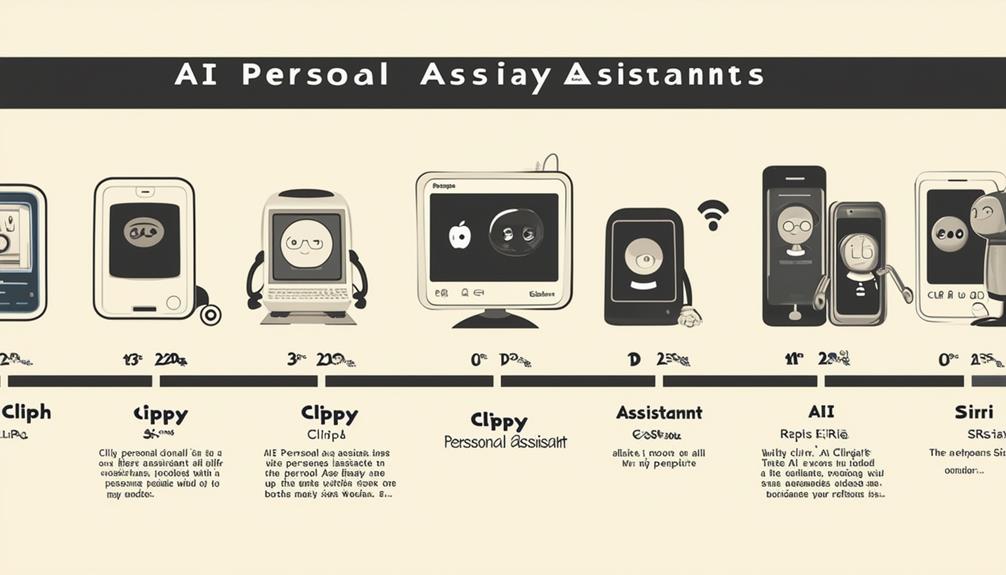
This evolution is evident in AI personal assistants such as Siri, Google Assistant, Cortana, and Alexa. These chatbots not only answer questions but also manage tasks, control smart devices, and provide entertainment. The demand for more intelligent conversational interfaces has driven these advancements, shaping the development of chatbots across various platforms.
In today's technology-driven world, chatbots have become integral to customer interactions on platforms like Facebook, Slack, and Telegram. They enhance user experiences by streamlining information retrieval and providing timely assistance. As technology continues to advance, the future of chatbots promises even more seamless and intuitive interactions, further blurring the line between human and machine communication.
Conclusion
ELIZA, the pioneering chatbot, revolutionized AI with its innovative approach to mimicking human conversation. It astonished users and laid the foundation for future chatbot technology. ELIZA's influence endures, inspiring contemporary AI and chatbot advancements. Modern virtual assistants owe much to this foundational work, and the future of chatbots is promising, thanks to ELIZA's groundbreaking contributions.
Related posts