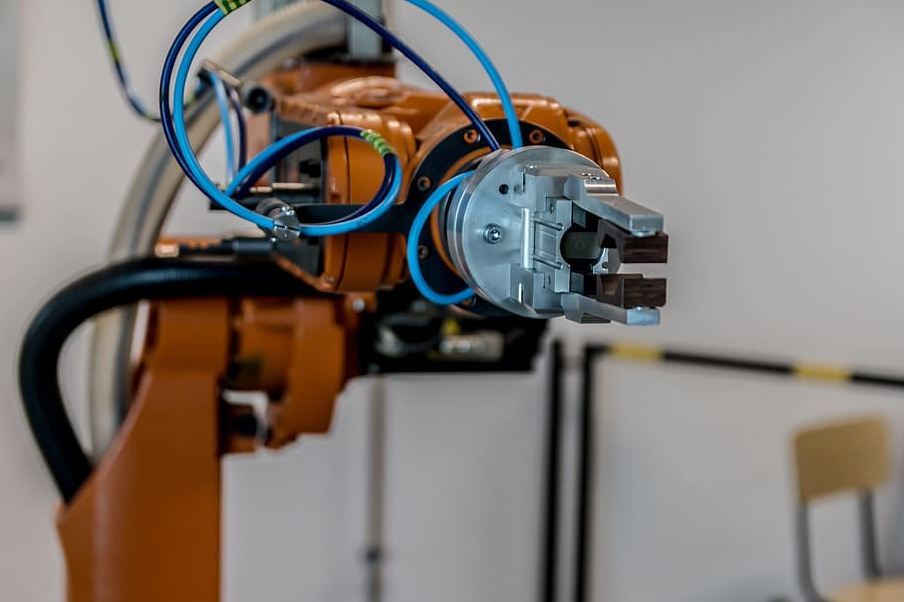
The History of Robotics in Surgical Applications

When considering the evolution of surgical robotics, it is fascinating to observe the technological advancements from the 1980s to the present. The journey began with the PUMA 560 robotic arm, which introduced unprecedented precision to neurosurgery. This initial breakthrough led to the development of systems like PROBOT, which revolutionized prostate surgery, and ROBODOC, which transformed hip replacement procedures. The introduction of the Da Vinci Surgery System in 2000 marked a significant milestone, enabling minimally invasive techniques and setting new standards in surgical precision and patient outcomes. These advancements raise critical questions about what sets these milestones apart and the future trajectory of robotic surgery. Let's explore these aspects further.
Early Developments in Surgical Robotics
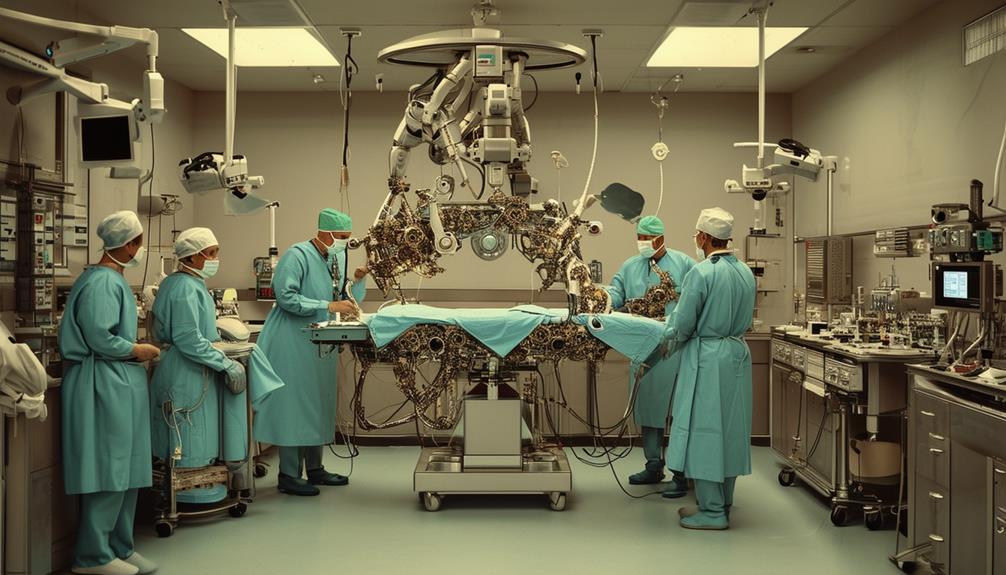
In the 1980s, the field of robotic surgery began with the pioneering use of the PUMA 560 robotic arm for a delicate neurosurgical procedure. This marked the beginning of a revolutionary approach in medicine, emphasizing enhanced dexterity and precision. The PUMA 560 demonstrated the potential for robotic assistance in surgery, setting the stage for future innovations.
The minimally invasive nature of robotic surgery quickly garnered attention across various medical specialties. Surgeons recognized the significant benefits these systems offered, particularly in complex procedures requiring high precision. The introduction of the da Vinci Surgery System further propelled this technological evolution. Initially impressive in its capabilities, the da Vinci system has been continually upgraded, incorporating additional operating arms and expanding its potential applications.
Breakthroughs of the 1980s and 1990s
The 1980s and 1990s witnessed groundbreaking advancements in surgical robotics, with pioneering systems like the PUMA 560 and PROBOT revolutionizing medical procedures. In 1985, the PUMA 560 robotic arm was employed for a brain biopsy, marking the advent of robotic-assisted surgery. By 1988, the PROBOT system had made significant strides in prostate surgery, further cementing the role of robotics in healthcare.
The momentum continued into the 1990s with the introduction of the ROBODOC system in 1992, which transformed hip replacement surgeries. This era also saw the integration of laparoscopic technology with robotic systems, enhancing minimally invasive surgical techniques. These innovations enabled surgeons to perform complex operations with greater precision and reduced recovery times for patients.
Advanced robotic systems like da Vinci, AESOP, and Zeus emerged in the 1990s, setting new benchmarks for control and accuracy in the operating room. The convergence of these technologies laid the foundation for the sophisticated robotic surgery techniques prevalent today, making the 1980s and 1990s a pivotal period in the evolution of surgical robotics.
Rise of Da Vinci System

Marking a significant milestone in surgical technology, the da Vinci Surgery System received FDA approval in 2000. This approval catalyzed the rise of robotic-assisted surgery, transforming how operations are performed globally. The da Vinci system quickly became essential in minimally invasive surgeries, offering unparalleled precision and control to surgeons.
A key feature of the da Vinci system is its EndoWrist technology, which provides surgeons with increased dexterity and range of motion, surpassing the capabilities of the human hand. This technological advancement has led to dramatic improvements in surgical outcomes and patient recovery times in fields such as urology, gynecology, and general surgery.
Since its FDA approval, the da Vinci system has been utilized in over 12 million procedures worldwide. Nearly 6,000 da Vinci systems are currently in operation, underscoring its widespread adoption and reliability. Surgeons can now perform complex procedures with minimal incisions, reducing trauma and speeding up recovery for patients.
Advances in the 21st Century
Building on the groundbreaking success of the da Vinci system, the 21st century has seen remarkable strides in robotic surgery technology. Since the FDA approved the da Vinci Surgical System in 2000, nearly 6,000 units are now in operation globally. This widespread adoption underscores the system's pivotal role in modern medicine. Surgeons across various specialties, including urology, gynecology, cardiothoracic, and general surgery, utilize robotic surgery systems to perform precise, minimally invasive procedures.
One of the most significant advances is the development of endowrist systems, which provide a greater range of motion and eliminate the fulcrum effect. These advancements offer surgeons improved dexterity and control. The robotic arms mimic the movements of a human hand but with far greater precision, minimizing the risk of iatrogenic injury. Improved ergonomics also reduce surgeon fatigue and enhance overall surgical performance.
Thanks to these advances in robotic surgery technology, patient outcomes have improved dramatically. The precise nature of robotic procedures results in smaller incisions, less blood loss, and faster recovery times for patients. The 21st century continues to push the boundaries of minimally invasive surgical techniques, making robotic surgery an indispensable tool in modern healthcare.
Future Trends in Robotic Surgery

In the coming years, robotic surgery is expected to expand into specialties such as ENT, thoracic surgery, gynecology, and general surgery, enhancing precision and efficacy across these fields. This evolution underscores the versatility and value of robotic systems in various medical disciplines. The market will see a continuous influx of novel systems with unique features, indicative of the ongoing advancements in robotic surgery technology.
The expiration of the da Vinci system patent is poised to significantly alter the market landscape. This development is anticipated to foster innovation and the emergence of new robotic surgery systems, which could drive down costs and heighten competition. Consequently, efforts are increasingly directed towards enhancing the commercial viability and accessibility of these advanced technologies, with the goal of making them available in more medical facilities worldwide.
As these trends unfold, robotic surgery will transcend its traditional confines in fields such as urology. The expansion into new specialties and improved precision are expected to result in better patient outcomes and more efficient surgical procedures. Greater accessibility to these systems will transform surgical practices, making cutting-edge medical care more broadly available to patients globally.
Conclusion
Surgical robotics has significantly advanced from the precision of the PUMA 560 in neurosurgery to the widespread adoption of the Da Vinci System. These innovations have made surgeries less invasive and more accurate. Looking ahead, we can anticipate the development of more innovative and accessible robotic systems that will revolutionize surgeries across various medical specialties. Surgical robotics is not merely a passing trend; it represents the future of medicine, continually improving in its capabilities.