The History of AI: From Early Concepts to Modern Innovations
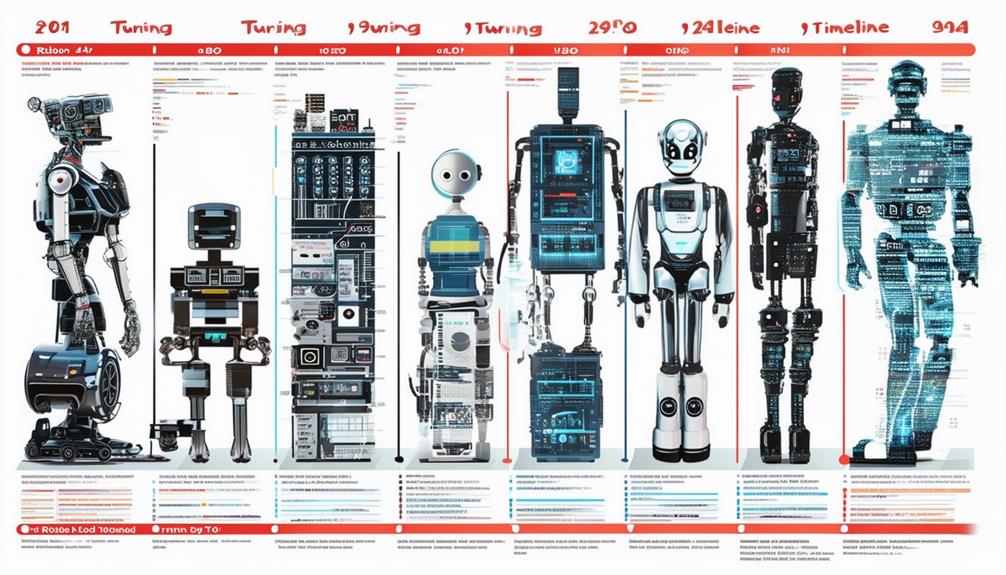
When considering artificial intelligence, today's advanced systems come to mind, but its origins trace back to theoretical concepts in the 1950s. The pivotal Dartmouth Conference marked AI's formal inception, focusing on symbolic AI and logical reasoning. Despite periods of stagnation known as AI Winters, the field experienced resurgence through expert systems and, later, the integration of deep learning and big data. These milestones have paved the way for innovations in virtual assistants, autonomous vehicles, and more. Curious about how these early ideas evolved into the technologies shaping our world today?
Early Theoretical Concepts
In 1956, the Dartmouth Conference coined the term 'artificial intelligence,' marking the inception of the field and igniting significant interest and investment. This pivotal event laid the groundwork for early theoretical concepts in AI, primarily focusing on symbolic AI. Symbolic AI emphasized rule-based systems and logical reasoning, where computers followed explicit rules to solve problems.
Early AI pioneers engaged in theoretical discussions on how machines could mimic human thought processes. These discussions led to the creation of expert systems and automated reasoning. Expert systems were designed to emulate the decision-making abilities of human experts, while automated reasoning enabled machines to perform logical deductions.
The Dartmouth Conference not only sparked curiosity but also directed substantial resources into AI research, driving advancements in these early concepts. The focus on rule-based systems and logical reasoning established a solid foundation for later developments, including machine learning. Although machine learning would eventually transform AI by enabling computers to recognize patterns and learn from data, the initial theoretical AI frameworks were crucial for its emergence. The early days of AI were characterized by a blend of academic rigor and ambitious aspirations, pushing the boundaries of what machines could achieve.
Birth of AI
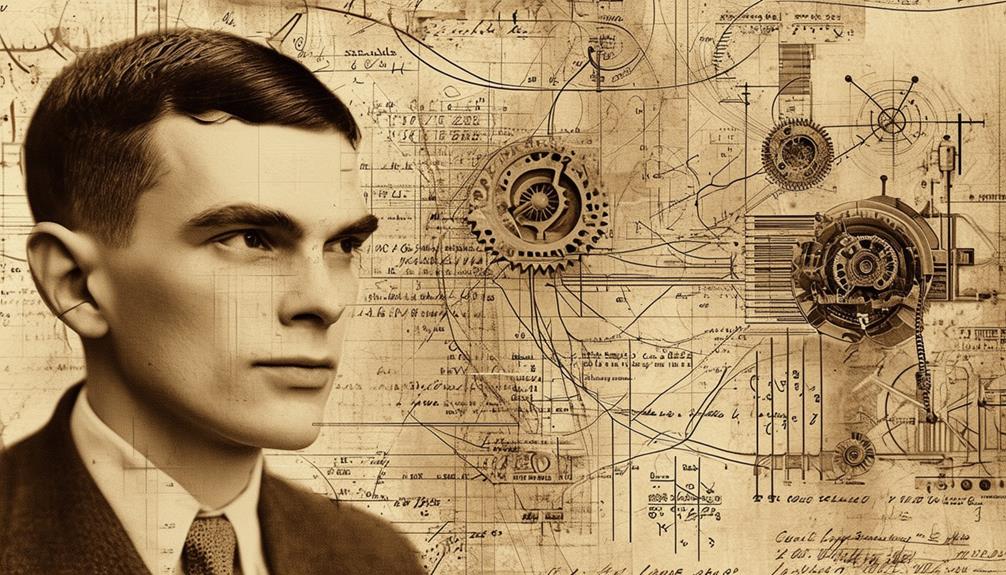
Emerging from a blend of theoretical groundwork and pioneering research, the birth of AI between 1950 and 1956 marked a transformative period in technology and science. Alan Turing's foundational work on machine intelligence laid the groundwork for this revolutionary field. His ideas on logical reasoning and automated problem-solving challenged traditional notions of human intelligence.
In 1956, the Dartmouth Conference officially coined the term 'artificial intelligence,' establishing it as an academic discipline. This conference brought together leading minds to investigate the potential of symbolic AI, which focused on rule-based systems to mimic human thought processes. The excitement and collaboration during this period set the stage for the rapid advancements that followed.
Early AI applications included the development of expert systems and other automated reasoning tools that showcased AI's potential to perform complex tasks. Here's a table summarizing key milestones and concepts during the birth of AI:
| Year | Milestone | Key Concept |
|---|---|---|
| 1950 | Turing's foundational work | Machine intelligence |
| 1956 | Dartmouth Conference | Academic discipline |
| 1956 | Term 'AI' coined | Symbolic AI |
| 1950s | Early AI applications | Expert systems |
| 1950s | Research investments | Rule-based systems |
This period fueled significant interest and investment, laying the groundwork for AI's future evolution.
Symbolic AI and Logic
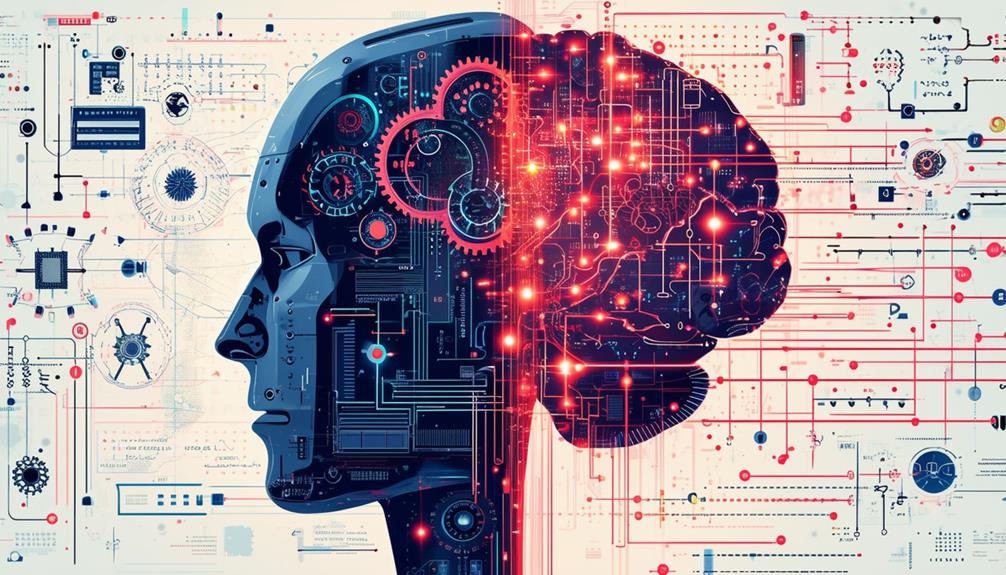
You will now explore how early symbolic systems and the evolution of logic programming shaped the development of artificial intelligence. These systems utilized symbols and rules to represent knowledge and solve complex problems. Programming languages like Prolog were instrumental in this process. Despite their limitations, these early symbolic systems established the foundational principles for subsequent advancements in AI.
Early Symbolic Systems
Explore the world of early symbolic systems, where AI pioneers employed rule-based frameworks and logical reasoning to emulate human cognitive processes. These early symbolic systems, also known as symbolic AI, utilized symbols and a set of rules to represent knowledge and perform reasoning tasks, enabling them to tackle problem-solving and engage in automated reasoning.
A significant application of symbolic AI was in expert systems, which aimed to replicate the decision-making abilities of human experts within specific domains. By leveraging an extensive repository of rules and knowledge, these systems could provide solutions to complex problems. Automated reasoning allowed them to draw logical inferences and solve intricate issues.
The Dartmouth Conference in 1956 was a pivotal event for the development of symbolic AI, igniting substantial interest and investment in the field. It marked the formal inception of AI as a scientific discipline and laid the groundwork for future advancements.
While early symbolic systems were foundational, they also paved the way for subsequent innovations in AI, including machine learning and neural networks. These advancements built upon the principles established by symbolic AI, further expanding the capabilities of artificial intelligence.
Logic Programming Evolution
Building on the foundational work of early symbolic systems, logic programming evolved to represent knowledge declaratively and derive new information through logical rules. Since the Dartmouth Conference in 1956, symbolic AI has focused on rule-based systems and logical reasoning to mimic human intelligence. In the early days of AI, logic programming became integral to many applications, particularly expert systems and automated reasoning.
Symbolic AI utilized rule-based systems to perform logical reasoning. Expert systems, one of the prominent early AI applications, could diagnose diseases or troubleshoot technical issues by applying a set of logical rules to a knowledge base. Automated reasoning furthered these capabilities by enabling machines to make decisions based on declarative knowledge.
Key Developments in AI and Their Impact
| Era | Key Development | Emotional Impact |
|---|---|---|
| 1950s | Dartmouth Conference | Birth of AI aspirations |
| 1960s-70s | Expert Systems | Hope for smarter solutions |
| 1980s | Automated Reasoning | Awe at machine logic |
Through symbolic AI and logic programming, the early foundations of AI set the stage for revolutionizing knowledge representation and problem-solving.
Machine Learning Emergence
Machine learning has fundamentally transformed artificial intelligence by enabling computers to recognize patterns and learn from data, leading to groundbreaking advancements across various technological domains. The advent of neural networks and sophisticated learning algorithms has significantly enhanced AI capabilities. It's not just about data processing anymore; it's about teaching systems to improve and adapt over time.
A key area of advancement is image recognition. Machine learning empowers computers to identify and categorize images with exceptional accuracy, vital for applications ranging from medical diagnostics to autonomous vehicles. Similarly, speech recognition technologies have advanced substantially, enabling devices to understand and respond to spoken commands, thereby enhancing user interaction.
Natural language processing (NLP) has also seen remarkable progress, facilitating more natural and intuitive communication between humans and AI systems. This capability has led to the development of smarter virtual assistants and improved customer service solutions.
These advancements have made AI systems more efficient and effective across various fields. By continuously learning from data, machine learning algorithms enhance performance, yielding more accurate predictions and decisions. Consequently, the integration of machine learning in AI has not only spurred innovation but also opened new avenues for technological progress across industries.
First AI Winter

The emergence of machine learning marked significant progress in the AI community. However, the late 1970s and early 1980s, a period known as the First AI Winter, brought significant setbacks and funding cuts. These challenges arose largely due to overconfidence in AI capabilities and unmet expectations. Researchers had promised rapid advancements toward artificial general intelligence, but the technology's limitations quickly became apparent.
Early AI programs struggled with the complexities of real-world applications, revealing fundamental challenges. This led to a steep decline in research interest, as funding agencies and private investors, disillusioned by the slow progress, withdrew financial support. The ambitious goals set by AI pioneers seemed out of reach, and the optimism of the previous decade dissipated.
Despite these setbacks, the First AI Winter played a pivotal role in the field's evolution. It underscored the necessity for more realistic approaches and robust methodologies. The lessons learned during this period paved the way for a resurgence in AI research in later decades. By acknowledging the challenges and limitations faced by early AI programs, the community built a stronger foundation for future innovations.
Expert Systems Boom
During the 1980s, expert systems emerged as influential tools in artificial intelligence, leveraging rule-based inference techniques to simulate human decision-making by applying expert-curated rules. These knowledge-based systems were rapidly adopted in industries such as healthcare and finance, demonstrating significant potential despite certain limitations.
Knowledge-Based Systems Rise
In the 1980s, expert systems gained popularity by leveraging rules and logical reasoning to emulate human decision-making processes in various domains. These knowledge-based systems were designed to provide specialized expertise in fields such as medicine, finance, and engineering. A notable example was MYCIN, an expert system developed at Stanford University, used for diagnosing blood infections. MYCIN demonstrated how domain-specific knowledge and rules could be employed to make accurate medical decisions.
Expert systems like MYCIN marked a significant shift towards practical AI implementations. By encoding the knowledge of human experts into a set of rules, these systems could simulate professional decision-making processes, offering valuable insights and solutions. This approach not only improved the efficiency and accuracy of decision-making in specialized fields but also highlighted the potential of AI applications in real-world scenarios.
The success of expert systems laid the groundwork for further advancements in AI. They demonstrated that machines could handle complex tasks requiring deep domain understanding. This period was crucial in establishing the foundation for future AI technologies, underscoring the importance of logical reasoning and structured knowledge in creating intelligent systems.
Rule-Based Inference Techniques
The 1980s witnessed a significant advancement in the development of expert systems, which utilized rule-based inference techniques to emulate human expertise across various domains. These systems depended on predefined rules to make decisions and solve problems, thereby mimicking the cognitive processes of human experts. In fields such as medicine, finance, and engineering, expert systems provided practical applications that transformed decision-making processes, enhancing both efficiency and accuracy.
The success of expert systems during this era generated widespread optimism regarding the potential of artificial intelligence. These systems demonstrated that machines could manage specialized tasks that previously necessitated human intellect, paving the way for future advancements in AI. However, they were not without limitations. The rule-based inference techniques that powered these systems were inherently rigid, lacking the ability to adapt to new or unforeseen situations because they strictly adhered to predefined rules. This rigidity became a notable drawback, as real-world scenarios often do not conform to pre-programmed rules. Despite their initial promise, the limitations of expert systems underscored the need for more flexible and adaptive AI solutions.
Deep Learning and Big Data

Imagine machines that can learn from vast amounts of data, recognizing patterns and making decisions with remarkable accuracy. This is the essence of deep learning, a specialized branch of machine learning that utilizes neural networks with multiple layers for sophisticated data processing. By leveraging big data, these AI systems can analyze extensive volumes of both structured and unstructured data, uncovering insights that were previously beyond reach.
Deep learning algorithms have revolutionized AI by enabling machines to learn from large datasets and make highly precise predictions. The synergy between deep learning and big data has led to significant advancements across various fields. In image recognition, AI systems can now identify objects and faces with exceptional precision. Natural language processing (NLP) enables machines to comprehend and generate human language, making interactions more seamless. Autonomous vehicles depend on these technologies to navigate and make real-time decisions, thereby enhancing safety and efficiency.
The integration of deep learning and big data has empowered AI systems to outperform humans in tasks requiring complex pattern recognition and decision-making. As these technologies continue to advance, they are setting new standards for what is achievable in the realm of artificial intelligence.
Modern AI Innovations
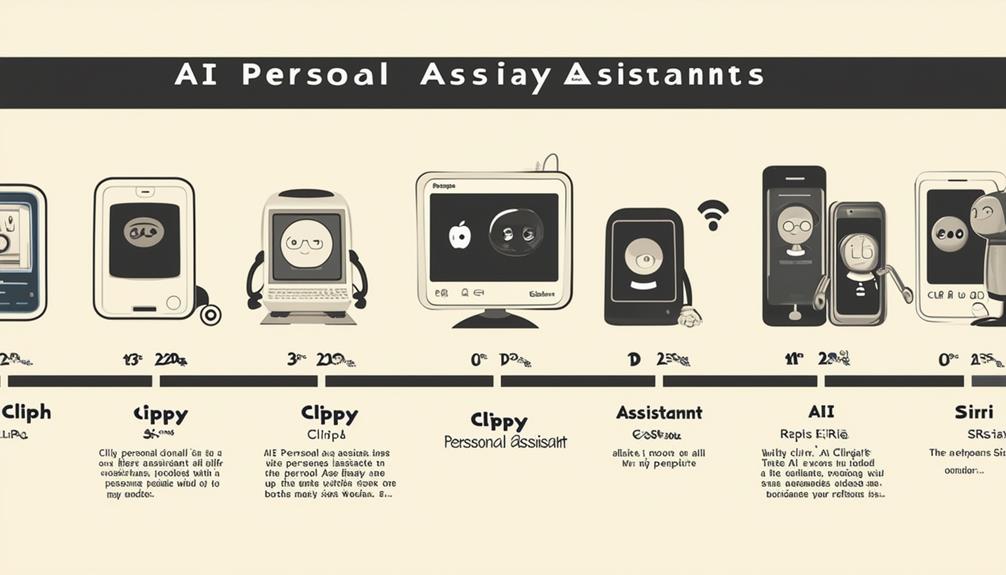
Modern AI innovations are revolutionizing daily life, making technology more intuitive and responsive than ever before. From the moment you wake up to the time you go to bed, AI is integrated into different aspects of your day. Virtual assistants like Siri and Alexa use natural language processing and speech recognition to help you manage tasks seamlessly.
Deep learning algorithms power image recognition, enabling your smartphone to categorize photos and social media platforms to tag friends automatically. Recommendation systems are another pivotal innovation, offering personalized content suggestions on streaming services and online shopping sites.
- Virtual assistants: Enhance productivity and streamline daily tasks.
- Image and speech recognition: Improve user experiences and enable advanced functionalities.
- Recommendation systems: Provide personalized content and shopping suggestions.
AI is also driving breakthroughs in healthcare, finance, and autonomous vehicles, offering unprecedented efficiency and convenience. However, as AI algorithms become more sophisticated, ethical considerations and responsible AI development are essential. Ensuring that AI systems are transparent and fair is crucial for societal well-being.
Conclusion
You've explored AI's rich history, from its early theoretical concepts to today's groundbreaking innovations. Despite facing challenges like the AI Winters, the field has continually evolved, driven by advancements in expert systems, machine learning, and deep learning. Modern AI now permeates every aspect of life, from virtual assistants to autonomous vehicles. Expect even more incredible advancements as AI continues to shape our future. Stay tuned—this is just the beginning!
Related posts