The Growth of Military Robotics: Unmanned Aerial Vehicles
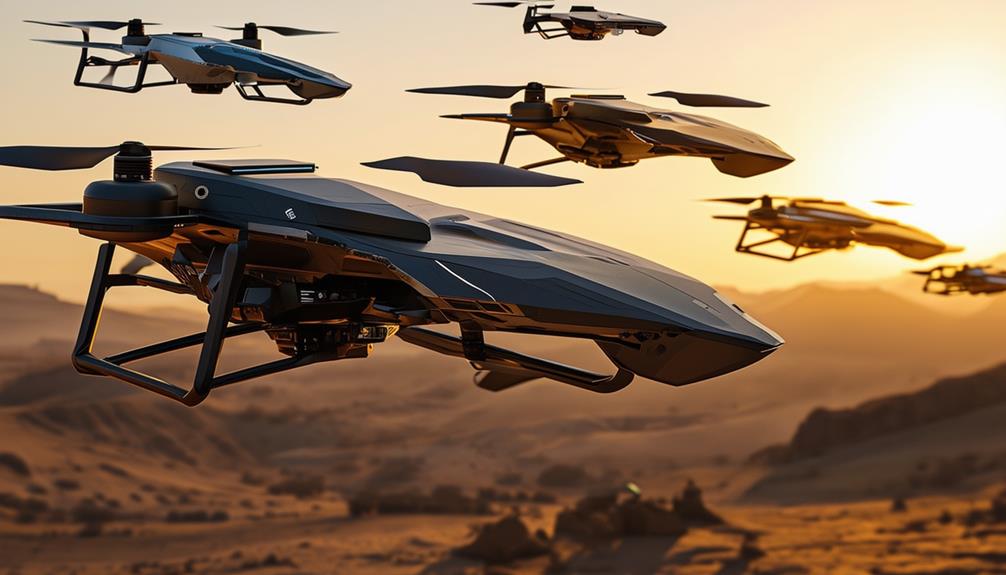
Unmanned aerial vehicles (UAVs) have significantly transformed modern warfare. Initially utilized for basic reconnaissance, these drones have evolved into sophisticated machines equipped with AI capabilities, expanding their roles to include striking missions. This rapid advancement prompts crucial discussions about their ethical use and the future of military operations. What factors are driving this growth, and how will it reshape global defense strategies?
Evolution of UAV Technology
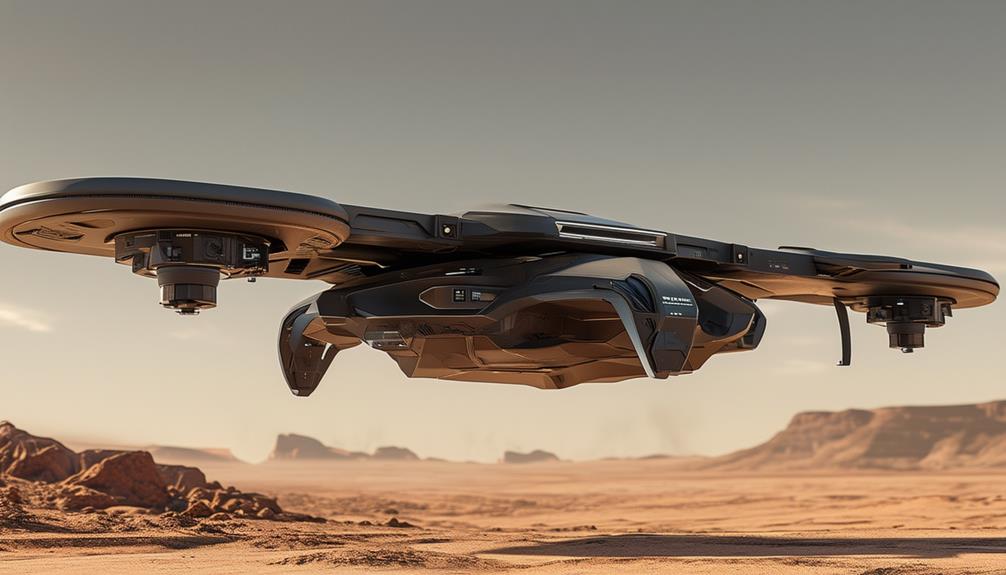
The evolution of UAV technology has seen military drones transform from rudimentary tools into sophisticated machines with advanced capabilities. These aerial vehicles have become crucial in modern warfare, moving beyond mere remote piloting to incorporate autonomous systems capable of executing complex missions with minimal human intervention.
A pivotal advancement in UAV technology is the integration of artificial intelligence (AI), enabling drones to make real-time decisions that enhance their efficiency and mission success rates. Enhanced surveillance capabilities are now standard, allowing drones to gather and relay critical battlefield intelligence with unprecedented precision.
Furthermore, improvements in flight duration and payload capacity have significantly enhanced military drone functionality. Modern UAVs can remain airborne for extended periods, traverse vast areas, and carry heavier, more advanced equipment, making them indispensable for reconnaissance and strike missions. With over 90 countries utilizing this technology, the global military drone market is expanding rapidly, projected to grow from $12.55 billion in 2022 to $35.60 billion by 2030.
Key Types of Military UAVs
Advancements in UAV technology have made them essential to modern military operations. The primary types of military UAVs include reconnaissance drones, combat drones, and loitering munitions, each serving specific roles. Reconnaissance UAVs, such as the RQ-4 Global Hawk, provide critical intelligence, surveillance, and reconnaissance (ISR) capabilities. They gather real-time data, enhancing situational awareness and aiding strategic decision-making.
Combat UAVs, like the MQ-9 Reaper, are equipped with precision-guided munitions for executing lethal strikes with high accuracy. These drones reduce risk to human pilots and improve operational efficiency during combat. Loitering munitions, such as the Harpy, are designed to hover over an area and autonomously detect and engage enemy targets. They enable precise and timely strikes, particularly in scenarios where other methods may be ineffective.
Each type of UAV enhances military capabilities, from surveillance to direct combat operations. As UAV technology evolves, their roles in modern warfare will become increasingly sophisticated and integral.
Surveillance and Reconnaissance
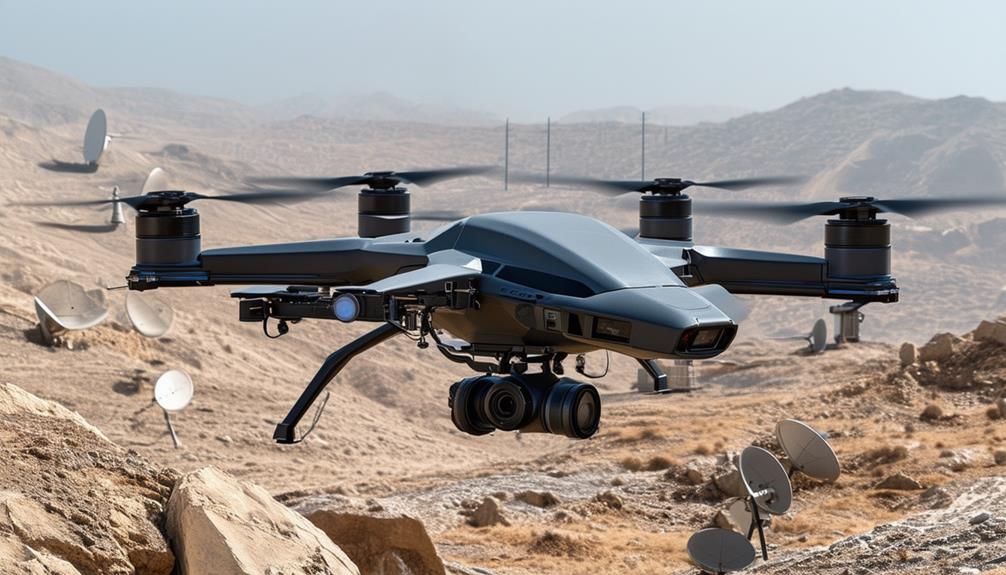
Unmanned Aerial Vehicles (UAVs) are pivotal in surveillance and reconnaissance, utilizing advanced imaging technologies to capture detailed visuals. They provide real-time data transmission, enabling commanders to make swift, informed decisions. Furthermore, their stealth capabilities ensure that they gather intelligence without detection.
Advanced Imaging Technologies
Advanced imaging technologies in UAVs have revolutionized surveillance and reconnaissance by providing high-resolution, real-time intelligence. These cutting-edge systems in unmanned aerial vehicles (UAVs) significantly enhance situational awareness and intelligence gathering. Equipped with thermal imaging, night vision, and multispectral sensors, UAVs offer exceptional capabilities in target acquisition and monitoring, which are crucial for military operations.
By integrating advanced robotics and imaging technologies, UAVs can cover extensive areas swiftly, detecting targets or potential threats with remarkable efficiency. This real-time intelligence enables rapid decision-making and precise execution of military missions, thereby greatly enhancing operational effectiveness. UAVs are indispensable for surveillance and reconnaissance tasks, reducing risks to personnel and increasing mission success rates.
Furthermore, UAVs can operate in diverse environmental conditions, day or night, making them versatile assets for various operational scenarios. The high-resolution data they provide is invaluable for strategic planning and execution. By leveraging these advanced imaging systems, military forces can maintain a superior edge in intelligence gathering and situational awareness, ensuring every mission is executed with precision and minimal risk.
Real-time Data Transmission
Real-time data transmission from UAVs revolutionizes battlefield surveillance by providing operators with immediate, actionable intelligence. Unmanned aerial vehicles (UAVs), commonly known as drones, are equipped with advanced communication systems that enable them to send live video feeds and sensor data directly to ground control stations. This capability enhances situational awareness and optimizes decision-making processes in real-time.
Key features of UAVs include:
- High-definition cameras: These drones capture detailed imagery, essential for intelligence gathering.
- Sensor data: They provide comprehensive environmental information, aiding in precise reconnaissance.
- Operational efficiency: Real-time data transmission significantly reduces the time needed for information to reach military strategists.
UAVs excel in surveillance and reconnaissance missions due to their ability to transmit data instantly. This real-time data transmission allows military operators to respond swiftly to evolving situations, thereby increasing the operational efficiency of their missions. By receiving live updates, commanders can adapt their strategies on-the-fly, making UAVs indispensable tools in modern warfare.
Stealth and Evasion Techniques
While UAVs excel in providing real-time data, their stealth and evasion techniques ensure they can gather intelligence without detection. Stealth technologies, such as low-observable designs and radar-absorbing materials, play a pivotal role in covert surveillance missions. These features make UAVs less visible to enemy radar, allowing them to conduct long-endurance reconnaissance operations undetected.
Evasion tactics are vital to these missions. High-altitude flying keeps UAVs out of reach from many ground-based threats, while low-observable features further minimize the risk of enemy detection. Advanced communication encryption ensures that data transmissions remain secure and inconspicuous. When needed, UAVs can perform agile flight maneuvers and autonomous path planning to avoid interception.
Electronic countermeasures add another layer of protection, enabling UAVs to disrupt enemy radar and tracking systems. These evasion techniques collectively ensure that UAVs can support military operations by gathering crucial intelligence with minimal risk. By integrating stealth technologies and sophisticated evasion tactics, UAVs enhance their effectiveness in reconnaissance operations, making them invaluable assets in modern military strategy. These advanced systems provide the edge needed in covert surveillance missions, ensuring success while maintaining a low profile.
Combat and Strike Missions
UAVs have transformed combat and strike missions by enhancing precision, minimizing risks to human pilots, and improving operational effectiveness. These drones are critical in modern warfare, allowing for targeted strikes that reduce collateral damage and increase mission success. Their advanced capabilities provide real-time intelligence and persistent surveillance, essential for effective military operations.
Key advantages of using UAVs in combat and strike missions include:
- Precision Strikes: Equipped with advanced targeting systems, UAVs enable highly accurate strikes, significantly lowering the risk of collateral damage.
- Real-Time Intelligence: UAVs gather and transmit up-to-date data, enhancing situational awareness and facilitating rapid decision-making.
- Persistent Surveillance: UAVs can monitor areas for extended periods, continuously tracking targets to improve operational effectiveness.
Integrating UAVs into combat missions not only safeguards human pilots but also boosts the efficiency and precision of military engagements. Their ability to deliver real-time intelligence and maintain persistent surveillance makes them indispensable in the complex landscape of modern warfare.
Autonomous Capabilities
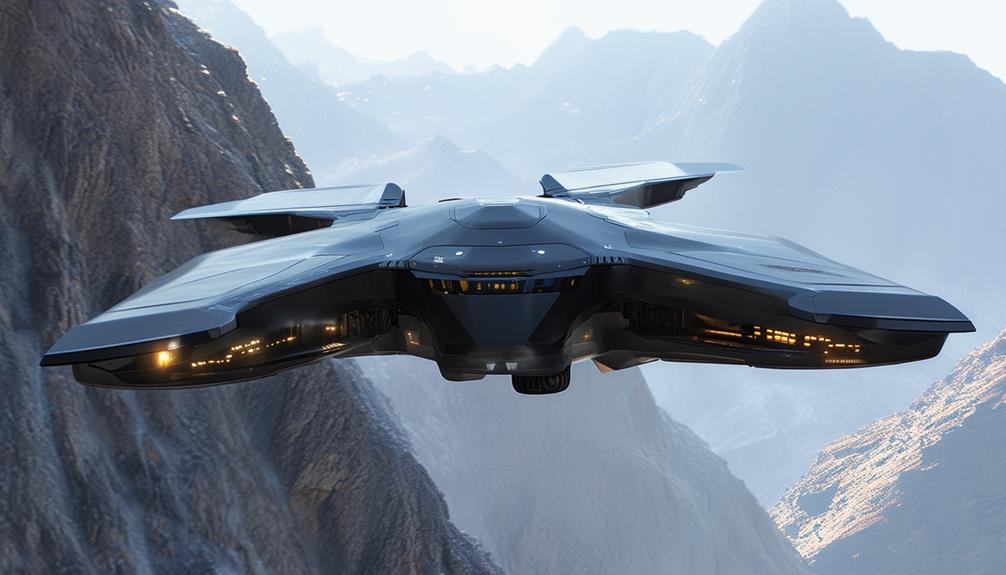
Autonomous capabilities in Unmanned Aerial Vehicles (UAVs) enable these machines to execute missions independently, leveraging advanced sensors, GPS, and artificial intelligence (AI) for navigation and decision-making. These UAVs can perform complex tasks without human intervention, making them invaluable in modern military operations. AI algorithms allow for precise target identification and mission execution, ensuring real-time adaptability to dynamic environments and scenarios.
Incorporating autonomous features enhances UAVs' operational flexibility. They can seamlessly switch between tasks such as surveillance, reconnaissance, and precision strikes, thereby reducing the workload on human operators and minimizing the risk of human error. This adaptability significantly increases mission success rates, as UAVs can make split-second decisions based on real-time data.
Moreover, the autonomous nature of these UAVs enables them to operate in environments too dangerous for human pilots. This capability emphasizes the growing importance of autonomous features in enhancing the efficiency and effectiveness of military operations, rendering UAVs indispensable in modern warfare.
Ethical and Legal Considerations
Ethical and legal considerations in military robotics are essential to ensure that UAV operations are conducted responsibly, respecting both human rights and international law. In the context of military UAV operations, it is crucial to address ethical considerations such as autonomous decision-making and accountability. Without proper oversight, there is a significant risk of human rights violations, potentially undermining the integrity of military missions.
Legal considerations are equally critical. Adhering to international laws and rules of engagement is indispensable. These frameworks ensure that UAVs are used lawfully, minimizing the risk of civilian casualties and respecting the sovereignty of other nations. Non-compliance can lead to severe legal and diplomatic repercussions.
To navigate these complex issues, consider the following:
- Adherence to international laws: Ensures UAV use aligns with global standards and conventions.
- Rules of engagement: Clearly defined protocols help prevent misuse and mitigate risks to civilians.
- Accountability mechanisms: Essential for maintaining transparency and addressing breaches of ethical or legal standards.
Balancing the technological benefits of UAVs with adherence to ethical and legal frameworks is crucial. This approach ensures responsible, accountable, and humane military UAV operations.
Future Innovations in UAVs
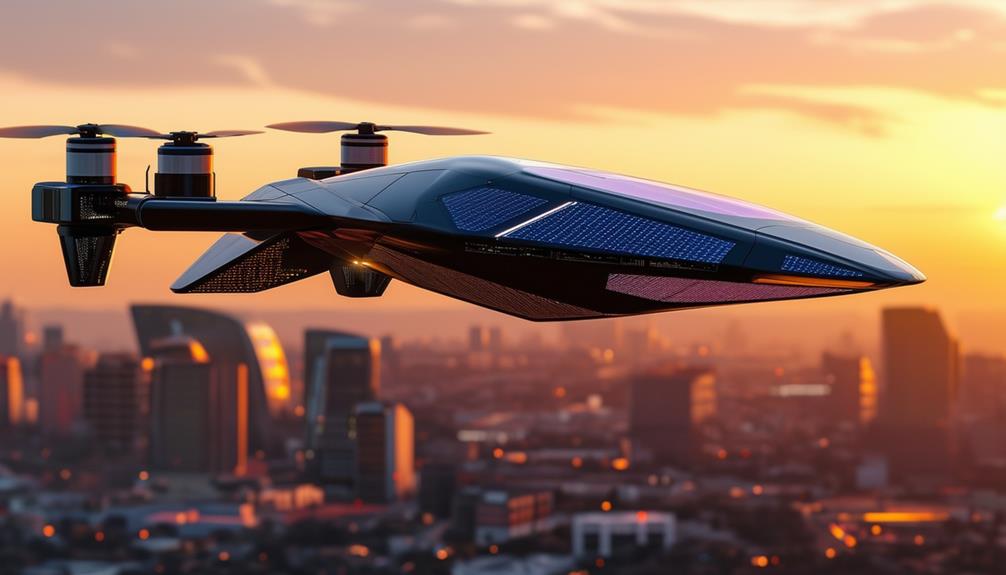
In future UAV innovations, expect major advancements in autonomous navigation systems for more precise and reliable operations. Enhanced AI integration will revolutionize decision-making, increasing efficiency and intelligence. Additionally, advanced stealth capabilities will enable undetected operations, providing a strategic edge, particularly in military contexts.
Autonomous Navigation Systems
In the realm of future innovations, advanced autonomous navigation systems are set to revolutionize UAV precision flight control by eliminating the need for human intervention. These systems utilize AI algorithms and sensor fusion technologies to significantly enhance UAVs' situational awareness and decision-making capabilities. By integrating multiple data sources, such as GPS, inertial navigation systems, and obstacle avoidance sensors, UAVs can navigate complex environments with exceptional accuracy.
Key improvements with autonomous navigation systems include:
- Mission success rates: Optimized paths and real-time adjustments increase the likelihood of mission completion.
- Operational efficiency: Reduced human error and quicker response times streamline operations.
- Versatility: Enhanced capabilities allow UAVs to adapt to diverse and challenging scenarios.
The development of these systems means UAVs can operate more independently, making them invaluable for various applications. By leveraging AI and sensor fusion, UAVs can dynamically adjust to new information, ensuring peak performance. This technological advancement will not only boost operational efficiency but also expand the range of missions UAVs can undertake. Embracing these innovations positions you at the forefront of a new era in UAV technology, where precision and reliability are paramount.
Advanced Stealth Capabilities
Recent advancements in UAV technology focus on enhancing stealth capabilities to improve survivability and reduce detectability in hostile environments. By integrating radar-absorbing materials and innovative design features, these UAVs minimize radar reflections, making them significantly harder for enemy sensors to detect. This improvement is crucial for maintaining air superiority and conducting effective reconnaissance and strike missions in contested airspace.
Stealth technologies enable UAVs to operate covertly, reducing the risk of detection and interception. This is essential in modern military operations, where surprise can be a decisive factor. Whether for reconnaissance or strike missions, stealth capabilities ensure UAVs can gather critical intelligence or deliver precision strikes without alerting the enemy.
Continuous advancements in stealth technology enhance not only detectability but also operational versatility. Incorporating these capabilities ensures UAVs remain effective and adaptable in various combat scenarios, significantly increasing their mission success rates in modern military operations.
Enhanced AI Integration
Future UAV innovations will emphasize integrating advanced AI to enhance autonomous decision-making and operational efficiency. This integration will revolutionize military operations by enabling real-time data analysis, adaptive mission planning, and enriched situational awareness.
Advanced AI algorithms will be crucial in optimizing flight paths and improving target recognition, allowing UAVs to swiftly respond to dynamic battlefield conditions. For instance, UAVs will be capable of autonomously adjusting their missions based on real-time data, identifying targets with pinpoint accuracy, and seamlessly communicating with other unmanned systems and manned platforms. This level of sophistication will significantly improve the effectiveness and efficiency of coordinated military operations.
Key benefits of advanced AI integration in UAVs include:
- Real-time data analysis: UAVs will process vast amounts of data on-the-fly, providing instant insights.
- Adaptive mission planning: Missions will be dynamically adjusted based on real-time information and battlefield conditions.
- Enhanced situational awareness: AI will improve UAVs' ability to understand and respond to their environment.
Integrating AI in UAVs is set to revolutionize military reconnaissance, surveillance, and precision strike capabilities, making future unmanned aerial operations more powerful and efficient.
Global Impact on Defense Strategies
Unmanned Aerial Vehicles (UAVs) have fundamentally transformed global defense strategies by providing unparalleled real-time surveillance and reconnaissance capabilities. As a critical asset to military operations worldwide, UAVs have revolutionized the defense sector through significant technological advancements. These advancements enhance intelligence gathering, operational efficiency, and precision strikes, making UAVs indispensable tools in modern warfare. The integration of AI further amplifies UAV capabilities, enabling more autonomous and precise operations.
| Aspect | Impact | Result |
|---|---|---|
| Real-Time Surveillance | Improved Situational Awareness | Enhanced Decision-Making |
| Precision Strikes | Targeted Operations | Reduced Collateral Damage |
| AI Advancements | Autonomous Functions | Increased Operational Efficiency |
The deployment of UAVs has not only diminished the risk to human personnel but also streamlined complex military operations. With the global market for military UAVs projected to reach $35.60 billion by 2030, their growing importance is unmistakable. UAVs play a pivotal role in intelligence gathering, delivering vital data swiftly and accurately through advanced communication systems. Clearly, the adoption of UAVs in the defense sector is a transformative development, reshaping military operations and ensuring a strategic edge on the global stage.
Conclusion
Unmanned Aerial Vehicles (UAVs) have significantly transformed military operations, evolving from simple surveillance tools to complex combat systems. The integration of advanced AI has enhanced their capabilities, making them indispensable in modern warfare. However, as UAVs become more autonomous, they introduce ethical and legal challenges that must be addressed. Future innovations in this field will continue to shape global defense strategies. While embracing these advancements, it is crucial to remain aware of their broader implications. The era of military robotics is upon us, fundamentally altering the landscape of warfare.
Related posts