The Development of Soft Robotics and Its Applications
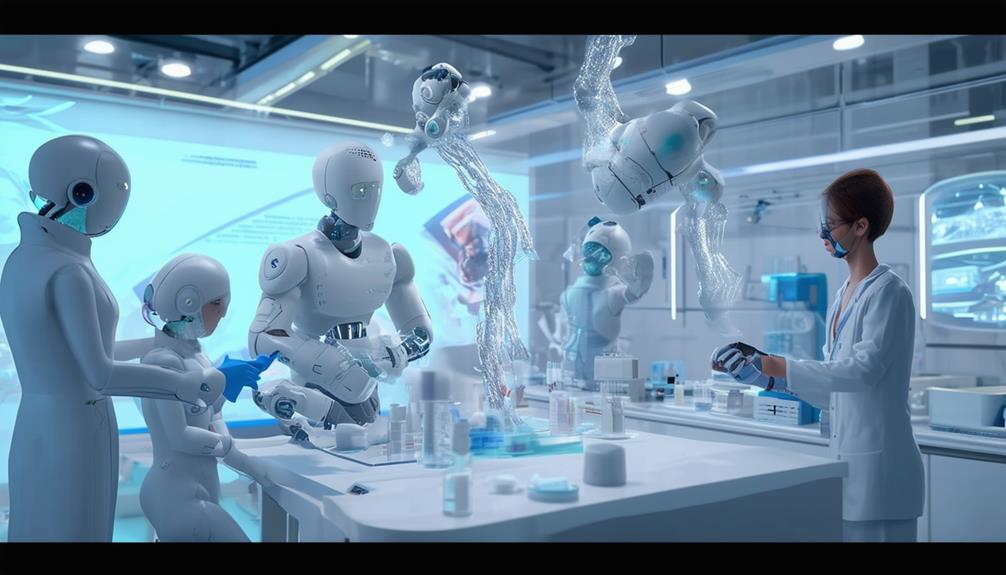
Soft robotics, which trace their origins back to the 1950s, have evolved into versatile tools across diverse fields. These robots, inspired by natural movements and constructed from flexible materials like silicone elastomers, are now essential in surgery, rehabilitation, and drug delivery. Their adaptability and precision offer significant advantages over traditional methods. However, the future of soft robotics presents both exciting prospects and challenges, particularly in advancing biomimicry and developing cutting-edge materials. What are the real-world implications and potential hurdles in this evolving field?
History of Soft Robotics
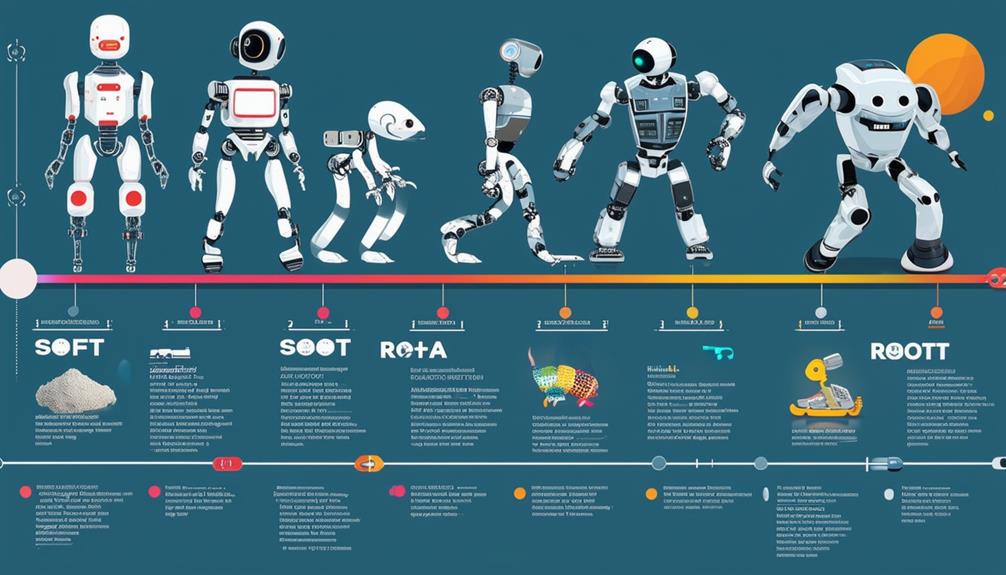
The origins of soft robotics can be traced back to the 1950s with Joseph Laws McKibben's invention of the pneumatic artificial muscle (PAM). McKibben's actuator was engineered to replicate the natural movement of biological muscles, laying foundational principles for the field. The PAM utilized air pressure to contract and expand, showcasing how flexible materials could achieve complex, life-like motions.
A significant advancement in soft robotics occurred in the late 1990s, as researchers began to integrate flexible materials into robotic designs. By 2010, the field gained substantial recognition, with scientists emphasizing the potential of soft robotics to replicate the adaptability and intricate movements of living organisms. These developments were crucial for creating robots capable of interacting safely and effectively with humans and delicate environments.
Throughout its evolution, soft robotics has focused on leveraging the unique properties of elastomers and silicone to design machines that mimic natural biological systems. This approach enables more nuanced and complex interactions, distinguishing soft robotics from traditional rigid robots and expanding possibilities across various applications.
Biomimicry in Robotics
How do engineers create robots that move as gracefully and efficiently as living creatures? They use biomimicry, a design approach inspired by nature. By studying organisms like octopuses, worms, and insects, engineers develop soft robots that mirror the flexibility, adaptability, and dexterity of these creatures.
Soft robots replicate the fluid and dynamic movements found in nature, enabling them to navigate complex environments and perform delicate tasks that rigid robots can't handle. For example, an octopus-inspired robot can squeeze through tight spaces and grasp objects with its tentacles, demonstrating remarkable interaction capabilities.
Biomimicry enhances soft robots by enabling them to adapt their form and function based on the task at hand. This adaptability is crucial for applications requiring precise manipulation and gentle handling. By emulating the efficient designs of biological structures, soft robotics ensures smooth movement and safe interaction with their surroundings.
In essence, biomimicry in soft robotics merges advanced engineering with the brilliance of nature, creating robots that are agile, versatile, and capable of interacting harmoniously with the world around them.
Innovative Materials
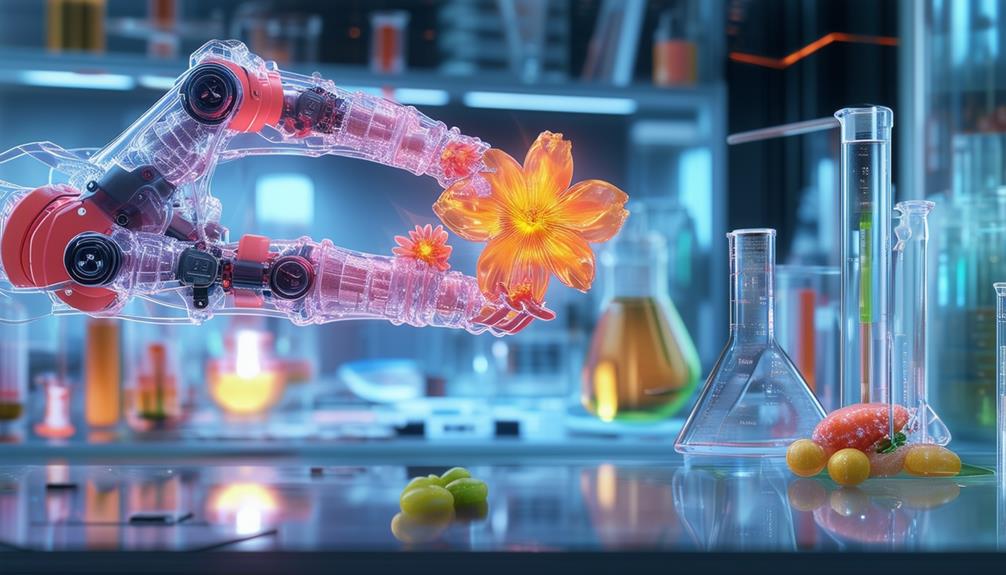
In the field of soft robotics, innovative materials like hydrogels and biodegradable substances are revolutionizing robotic movement and interaction with the environment. These materials are spearheading advancements in soft actuators and sensors. Silicone elastomers, for instance, enhance the flexibility and adaptability of robots, allowing for smoother, more natural movements that mimic biological organisms.
Soft pneumatic actuators, which use air or liquid to create movement, are a key technology in this field. When combined with soft microfluidic systems, they enable robots to perform delicate tasks with high precision. The use of biodegradable materials is particularly exciting, as it opens up opportunities for single-use applications and even the development of edible robots for specialized tasks.
Materials like silicone elastomers and polyurethane are critical for creating flexible sensors and electronic circuits in soft robots. These materials enhance the robots' ability to operate in diverse environments, whether grasping delicate objects or navigating complex terrains. By integrating these advanced materials, soft robotics is expanding the realm of possibilities, making robots more versatile and capable than ever before.
In this rapidly evolving field, the integration of soft materials and compliant structures is essential for discovering new applications and functionalities.
Biomedical Applications
Soft robotics is revolutionizing biomedical applications, particularly in surgery and rehabilitation. These flexible devices enhance the precision and minimally invasive nature of complex surgical procedures. Additionally, soft robotic technologies are employed in therapeutic settings to facilitate recovery, providing patients with more effective and personalized treatment options.
Surgery Assistance Devices
Soft robotics are transforming surgery by enabling minimally invasive procedures that adapt seamlessly to complex and delicate tasks. These innovations are particularly impactful in endoscopic procedures, where flexibility and precision are paramount. Soft robotic devices can navigate the human body more effectively than traditional rigid instruments, reducing trauma and speeding up recovery times.
Another groundbreaking development is the use of soft robotic implants, which can monitor and treat various medical conditions with real-time adaptability. Imagine an implant that adjusts to your body's needs, providing personalized care. Additionally, advancements in drug delivery systems now allow medications to be administered more accurately and effectively, improving patient outcomes.
One of the most exciting areas of research is the development of a total artificial heart. Soft robotics are being evaluated in hybrid mock circulations, showing promise for creating a more natural and efficient artificial heart. This could be a game-changer for patients needing heart transplants, offering a lifeline with fewer complications.
Rehabilitation and Therapy
Building on the advancements in surgical assistance, soft robotics are now making significant strides in rehabilitation and therapy, offering unparalleled support and recovery options. Soft robots are transforming the landscape of assistive technologies, aiding in minimally invasive surgeries and providing innovative solutions for various medical conditions.
In rehabilitation, these soft robots are designed to help patients regain mobility and strength. They can be customized to fit the unique needs of each individual, ensuring targeted and effective therapy.
| Application | Description |
|---|---|
| Soft Robotic Implants | Monitor and treat medical conditions continuously |
| Drug Delivery Systems | Provide targeted, precise treatment |
| Soft Total Artificial Hearts | Offer inventive heart replacement solutions |
| Bionic Soft Tongues | Assist with speech and swallowing therapies |
| Prosthetic Anal Sphincters | Provide new solutions for incontinence |
Soft robotic implants can continuously monitor and treat medical conditions, enhancing traditional medical devices. They also play a significant role in drug delivery systems, ensuring medications are administered with pinpoint accuracy.
Biomedical applications like soft total artificial hearts and bionic soft tongues showcase the potential of these technologies. Moreover, prosthetic anal sphincters and other innovative solutions highlight the diverse range of applications soft robotics bring to rehabilitation and therapy. By leveraging these advancements, patients can expect more personalized and effective treatments, ultimately improving their outcomes.
Wearable Robotics

In wearable robotics, advancements in soft materials are revolutionizing the support and enhancement of human muscle function. Soft robots are transforming human-robot interaction by utilizing materials like silicone elastomers that mimic the flexibility and softness of human tissues, improving comfort and efficacy.
Key components such as stretchable pumps and McKibben actuators provide essential muscle support, capable of bending, twisting, and stretching to closely imitate natural muscle movements. These technologies are designed to assist individuals with muscle weakness or physical disabilities, offering significant benefits in medical applications.
Research is focused on creating commercially viable soft robots for diverse needs, from enhancing athletic performance to aiding rehabilitation. By integrating advanced materials and actuators, wearable robotics is improving the quality of life for many. The future of this technology is promising, as researchers continue to refine and expand its applications. Soft robots will soon become more prevalent in everyday life, profoundly impacting muscle support and human-robot interaction.
Soft Robotics in Surgery
Advancements in soft robotics are transforming surgical procedures by enabling minimally invasive techniques with unparalleled precision and flexibility. Soft robots are engineered to mimic natural movements, significantly improving surgical outcomes and reducing patient trauma. These innovative tools can adapt to complex anatomical structures, providing enhanced access and accuracy during operations.
Key benefits of soft robotic systems in surgery include:
- Minimally Invasive Techniques: Soft robots facilitate procedures through tiny incisions, reducing recovery time and minimizing scarring.
- Enhanced Dexterity: These systems offer real-time feedback and exceptional dexterity, allowing surgeons to perform intricate tasks with greater ease.
- Improved Accessibility: Soft robots can navigate complex anatomical pathways, making procedures like endoscopic surgery more effective and less invasive.
Soft robotics is particularly promising in endoscopic surgery, where maneuvering through narrow and winding pathways is crucial. By replicating the natural movements of human hands, soft robotic tools enable surgeons to operate with exceptional precision. This adaptability not only improves surgical outcomes but also reduces physical strain on surgeons, making complex procedures more manageable. With these advancements, the future of minimally invasive surgery is set to become more efficient and effective.
Drug Delivery Systems
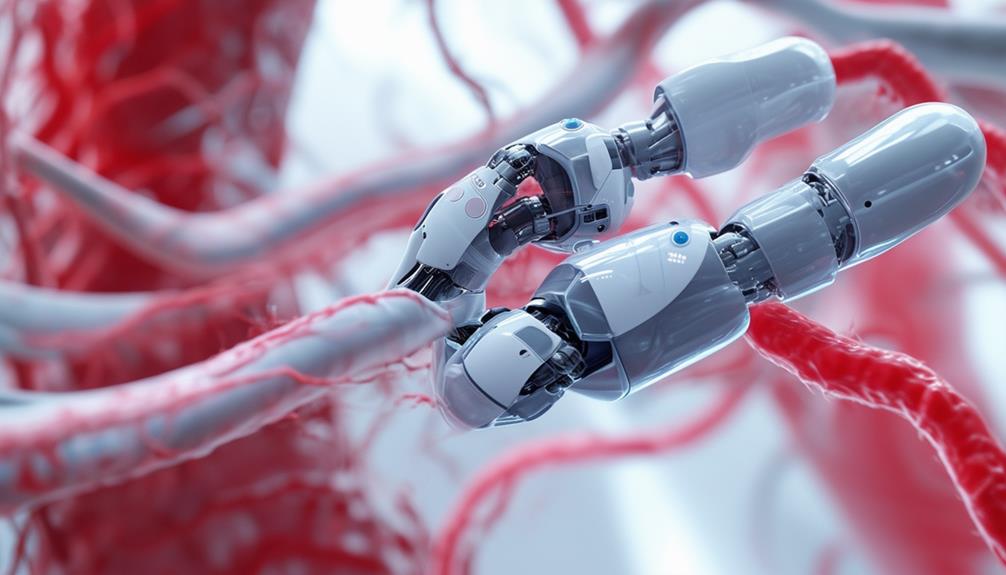
Soft robotics is revolutionizing drug delivery systems by enabling precise targeting of medication to specific areas within the body. This precision reduces side effects, enhancing the overall treatment experience. Consequently, patients benefit from more effective therapies with fewer complications.
Precision in Targeting
Soft robotics are revolutionizing drug delivery by precisely targeting specific areas within the body, ensuring medications are administered accurately and effectively. Utilizing advanced sensors and actuators, these robots navigate complex biological environments, achieving precision targeting that traditional methods cannot match. Their ability to adapt to ever-changing conditions inside the body optimizes drug delivery in real-time, ensuring drugs reach their intended targets with minimal invasiveness and significantly improving therapeutic outcomes.
A particularly exciting aspect is the customizability of these systems. Soft robots can be tailored to release drugs in controlled, specific doses, enhancing treatment efficacy. This level of control offers several key benefits:
- Increased precision: Medications are delivered exactly where needed.
- Efficient utilization of medication: Reduced waste and lower doses conserve valuable resources and cut costs.
- Enhanced patient comfort: Less invasive procedures lead to quicker recovery times and reduced discomfort.
Minimizing Side Effects
By leveraging the precision of soft robotics, drug delivery systems significantly reduce side effects by targeting medication directly to affected areas. Soft robots enable precise and controlled drug delivery, ensuring that medication is released exactly where it's needed. This targeted approach not only reduces the likelihood of adverse reactions but also improves patient outcomes.
In biomedical applications, soft robotic implants can monitor drug release and adjust dosages as needed. These devices are designed to release medication at specific locations within the body, providing a more controlled and effective treatment. This method is especially useful for treating localized conditions, such as tumors or infections, where traditional methods may fall short.
| Advantage | Description |
|---|---|
| Precision | Soft robots deliver drugs exactly where needed. |
| Targeted Delivery | Medication is released at specific body sites. |
| Controlled Drug Release | Dosages can be adjusted in real-time. |
| Reduced Side Effects | Minimizes adverse reactions from medications. |
| Improved Patient Outcomes | Enhances treatment effectiveness. |
Advancements in soft robotics open up new possibilities for controlled drug delivery. By focusing on precision, these systems not only improve the effectiveness of treatments but also significantly reduce the side effects associated with conventional drug delivery methods. Consequently, patients experience better outcomes and higher quality of care.
Future Prospects
In the near future, soft robotics will redefine both automation and biomimetics, offering unprecedented capabilities and applications. Imagine a world where soft robots not only mimic human movement but also replicate the intricate motions of animals. This evolution is set to transform prosthetics, making them more functional and lifelike. Soft robotics will also pave the way for innovations like origami robots that can fold and unfold to perform complex tasks in diverse spaces.
Picture climbing robots designed to navigate and maintain structures, reducing the need for human intervention in hazardous environments. The advancement in soft robotics will bring about automation systems that are more adaptable and efficient.
Here are three exciting prospects in soft robotics:
- Biomimetic Flight: Research aims to achieve true bird flight capabilities, pushing the boundaries of biomimetic accomplishments.
- Enhanced Prosthetics: Soft robotics will lead to prosthetics that mimic not just human motion but also animal movements, significantly enhancing their functionality.
- Origami and Climbing Robots: These robots will revolutionize maintenance tasks by accessing hard-to-reach areas, making them indispensable across various industries.
These advancements underscore the transformative potential of soft robotics in both daily life and industrial applications.
Challenges and Limitations
Despite its promise, soft robotics faces significant challenges that must be addressed to reach its full potential. One major hurdle is the development of control mechanisms. Soft robots, by their very nature, undergo substantial deformations during operation, making precise control difficult. Advanced control systems capable of handling these deformations are required to ensure smooth and accurate movements.
Durability is another significant limitation. The soft materials that make these robots so adaptable are also prone to wear and tear, limiting their lifespan and reliability, particularly in demanding environments. Researchers are actively working on advancements in material science to develop more robust materials that can withstand harsh conditions without compromising flexibility.
Additionally, integrating soft robots with artificial intelligence (AI) is crucial for enhancing adaptability and performance. AI can help mitigate the inherent inaccuracies in soft robots, but this integration is a complex task. Achieving high accuracy and reliability requires sophisticated algorithms and extensive testing.
Conclusion
Soft robotics have significantly transformed various fields with their precision and adaptability. From biomimicry to innovative materials, these robots are revolutionizing surgery, rehabilitation, and drug delivery. As technology advances, the potential for groundbreaking applications in daily life and industries continues to grow. Embrace the future of soft robotics and its promise to elevate human-robot interactions, despite the challenges and limitations that lie ahead. The journey is just beginning.