The Development of Social Robots: Interaction and Companionship
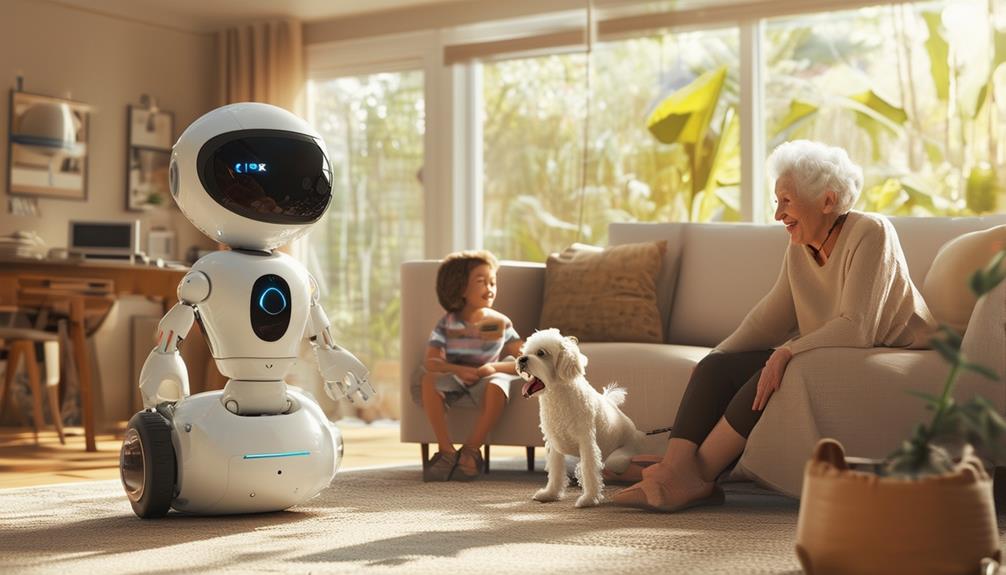
Imagine a world where your closest companion isn't a human or a pet, but a robot designed to understand and respond to your emotional needs. Social robots, equipped with advanced emotional intelligence, are transforming how we interact with technology. These robots can interpret your non-verbal cues, recognize your emotions, and adapt their responses to offer genuine companionship. This isn't just science fiction; it's a rapidly evolving reality with applications in home assistance, elderly care, and beyond. However, this technological leap brings challenges and ethical considerations that must be addressed, such as privacy concerns, the potential for emotional dependency, and the ethical treatment of robots.
Evolution of Social Robots
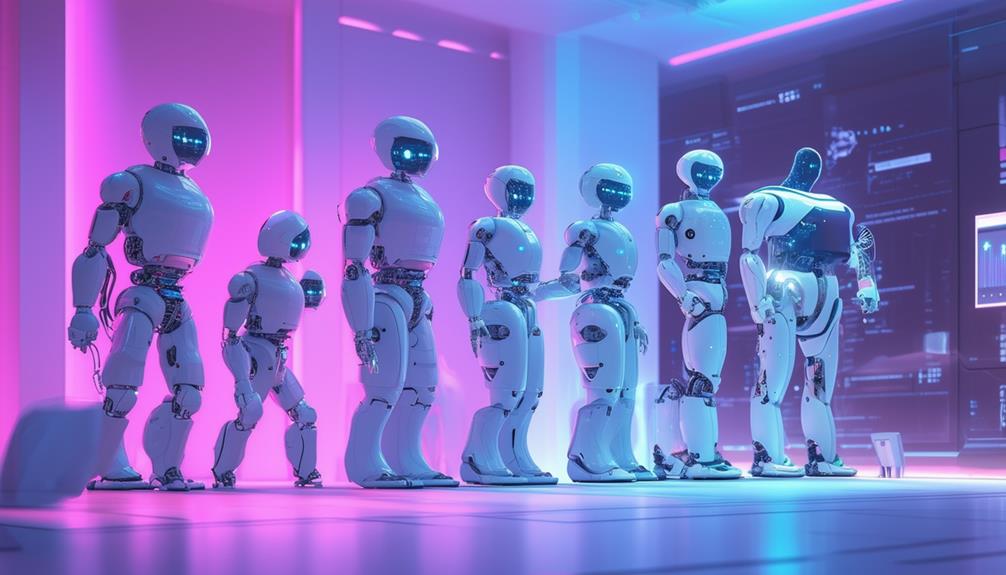
As social robots have evolved, they have transitioned from mere science fiction concepts to integral parts of daily life, owing to advancements in artificial intelligence (AI) and machine learning. This evolution is anchored in extensive research within the field of social robotics, focusing on creating machines capable of seamless human-robot interactions. These robots can now mimic human behaviors and emotions, making them valuable in various applications.
Social robots have found roles in diverse areas such as education, therapy, and customer service. They provide companionship, assist with daily tasks, and enhance learning experiences. Their ability to understand and respond to human emotions has proven effective in helping children with autism, supporting elderly care, and improving educational outcomes.
However, the rise of social robots also brings ethical considerations to the forefront. Issues such as privacy, dependency, and the potential for job displacement are critical as these robots become more integrated into society. Addressing these concerns is essential for the sustainable development of social robots.
Looking ahead, the future of social robots promises even greater integration into our lives. Ongoing research aims to improve their capabilities and ensure that their interactions are both necessary and beneficial for humans.
Key Technologies in Social Robots
To truly understand social robots, it is essential to grasp the key technologies driving their interactions and capabilities. Central to these robots is artificial intelligence (AI), which enables them to process and respond to complex scenarios. AI is complemented by natural language processing (NLP), allowing robots to understand and generate human language, making conversations more natural and engaging.
Emotion recognition algorithms also play a crucial role. These algorithms analyze facial expressions, voice tones, and body language to gauge human emotions, enabling the robot to respond empathetically. This emotional intelligence is necessary for creating meaningful and effective interactions.
Social robots are equipped with a variety of sensors, cameras, microphones, and actuators, which allow them to perceive and interact with their environment. These components gather data that the robot processes to make real-time decisions.
Machine learning is another pivotal technology. Through machine learning, social robots can adapt their behaviors based on past interactions, continuously improving their performance and personalizing their responses.
Key technologies include:
- Artificial Intelligence (AI)
- Natural Language Processing (NLP)
- Emotion Recognition Algorithms
- Sensors, Cameras, Microphones, and Actuators
- Machine Learning
These technologies work in concert to ensure that social robots can interact effectively and meaningfully with humans.
Human-Robot Interaction
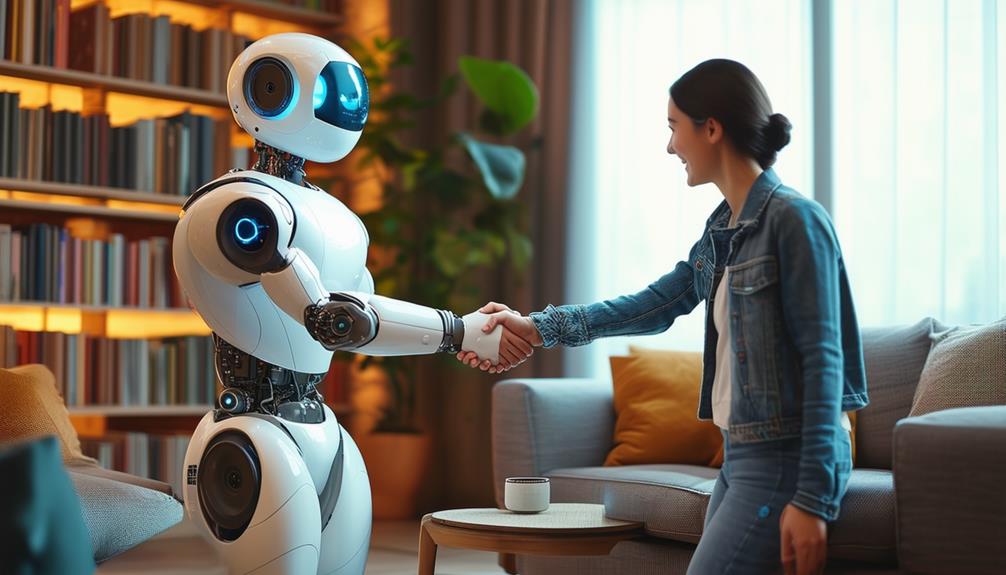
Human-robot interaction explores how effectively robots can communicate and establish meaningful connections with people. This field delves into the subtleties of social interaction, examining social cues, communication patterns, and emotional responses between humans and robots. Your interactions with robots are influenced by their ability to interpret and respond to non-verbal communication, such as facial expressions and body language, making these machines more intuitive and engaging.
Researchers aim to enhance human-robot interaction by focusing on trust, empathy, and perceived social presence. When robots display advanced social skills, you're more likely to trust and feel comfortable around them, leading to richer, more meaningful interactions. For instance, robots that offer emotional support can significantly improve your well-being, particularly in healthcare or elder care settings.
Understanding these dynamics is crucial for integrating robots into society. By designing socially adept robots, researchers aspire to ensure that your interactions with them are not only functional but also emotionally fulfilling. This approach is essential for developing robotic systems that seamlessly integrate into daily life, providing companionship and support where needed.
Emotional Intelligence in Robots
Social robots excel at recognizing human emotions through facial recognition and voice modulation. They use advanced empathy algorithms to enhance their responses, making interactions more meaningful. This ability to understand and react to human emotions elevates the robot's role as a supportive companion.
Recognizing Human Emotions
Social robots detect and respond to human emotions using advanced facial recognition and voice analysis technologies. By leveraging these tools, robots can accurately interpret a wide range of human emotions, enabling more meaningful interactions. This capability, known as emotional intelligence, is crucial for social robots as it enhances their ability to form genuine connections with users.
Emotional sensing in robots involves complex algorithms that analyze facial expressions, tone of voice, and body language. These insights enable robots to play significant roles in companionship and therapy, where understanding human emotions is essential for providing effective support.
Consider the following benefits of emotional sensing in social robots:
- Enhanced Companionship: Robots can offer personalized interactions, making users feel understood and supported.
- Therapeutic Support: In therapeutic settings, emotionally intelligent robots can provide comfort and assistance, improving patient outcomes.
- Education and Healthcare: Emotionally intelligent robots can tailor their teaching or caregiving methods to align with the emotional states of students or patients.
Enhancing Empathy Algorithms
To enhance the emotional intelligence of social robots, advancing empathy algorithms is crucial for fostering deeper human-robot connections. These sophisticated algorithms enable robots to effectively recognize and respond to human emotions. By leveraging facial recognition, tone of voice analysis, and body language interpretation, robots can more accurately assess a person's emotional state. This capability forms the foundation for emotional intelligence in robots, allowing them to engage in personalized interactions that feel authentic and meaningful.
When interacting with a robot equipped with advanced empathy algorithms, it can tailor its responses based on your unique emotional cues. For instance, if you're feeling sad, the robot might offer comforting words or suggest activities to lift your spirits. This level of personalized interaction makes the robot a more effective companion and support system, particularly in settings like elderly care or mental health support.
The development of empathy algorithms aims to create more meaningful human-robot interactions, ensuring that robots aren't just performing tasks but also connecting with humans on an emotional level. By focusing on these aspects, we can develop social robots that provide genuine companionship and enhance the quality of human life.
Applications in Daily Life
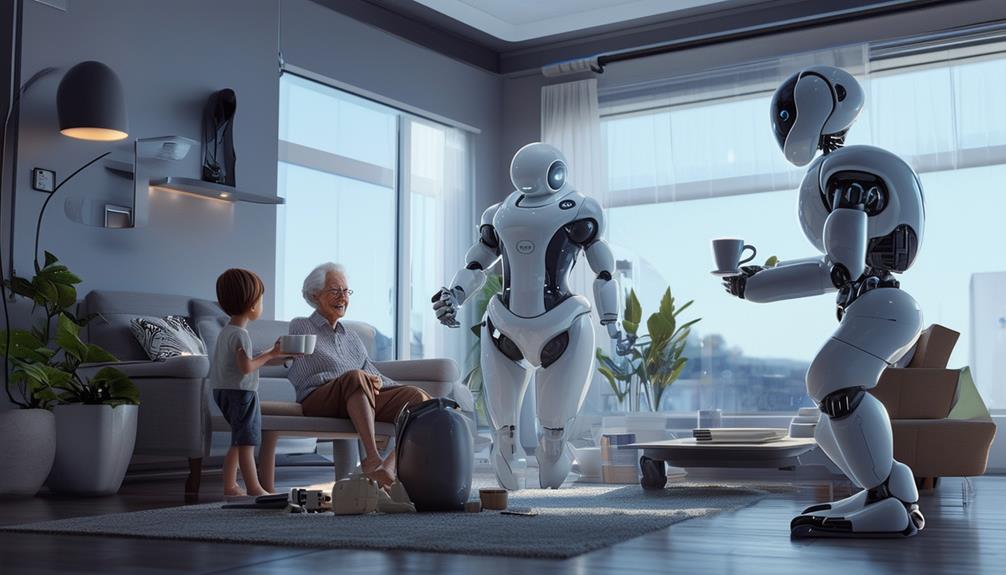
Social robots are increasingly transforming everyday tasks and enhancing the quality of life, particularly in home assistance and elderly care. Picture a robot like Misty reminding you of appointments or a companion like Jennie providing emotional support to someone with dementia. These robots are not merely gadgets; they are becoming essential elements of daily routines and caregiving solutions.
Home Assistance Benefits
Imagine having a robot that reminds you to take your medication, manages your schedule, and even assists with household chores. Social robots have become invaluable assets in home assistance, designed to seamlessly integrate into your daily life. These robots are not just about convenience; they're about enhancing your overall well-being through personalized interaction.
In healthcare and education, social robots excel by helping children learn and offering tailored educational experiences. Their ability to monitor health metrics, provide exercise reminders, and motivate you to stay active demonstrates their significant potential in healthcare. Human-computer interaction (HCI) with these robots is intuitive, thanks to advanced voice recognition and smart home integration.
Consider the benefits:
- Convenience: Automating household chores like cleaning, cooking, and organizing.
- Health Monitoring: Tracking health metrics and encouraging healthy habits.
- Smart Home Control: Seamlessly managing lighting, temperature, and entertainment systems.
These robots adapt to your preferences and habits, making every interaction more personalized and effective. By integrating into various aspects of your life, social robots offer practical solutions that improve your day-to-day activities, making life simpler and more efficient.
Elderly Care Solutions
Social robots are transforming elderly care by providing essential support and companionship to older adults. Advanced models like Paro and Robear assist with tasks such as medication reminders and emotional well-being. These robots help reduce loneliness and isolation, fostering a sense of companionship.
Equipped with sophisticated sensors and AI capabilities, social robots can detect falls, monitor vital signs, and provide emergency alerts, ensuring safety and immediate response in critical situations. This technology allows older adults to maintain a higher level of independence while still receiving necessary oversight.
Research indicates that elderly individuals engaging with social robots experience enhanced social interaction and cognitive stimulation, leading to improved mood and quality of life. The emotional connection formed through consistent companionship with social robots is especially beneficial in nursing homes and care facilities, where older adults might otherwise feel disconnected.
Challenges and Ethical Considerations
Addressing the ethical challenges associated with social robots is crucial to ensure they enhance societal well-being without undermining human values. As social robots become more integrated into our daily lives, several ethical issues emerge. Human-robot interaction (HRI) should be designed to foster positive human relationships and ensure responsible usage. Tackling these complexities is essential for harmonious human-robot coexistence.
A primary concern is the potential for job displacement. As robots increasingly assume roles traditionally held by humans, it is important to consider the impact on employment and economic stability. Additionally, the effect on human relationships must be acknowledged. Reliance on robots for companionship could diminish human-to-human interactions, potentially weakening social bonds.
To address these challenges, clear guidelines and policies are needed to ensure the ethical deployment of social robots. These measures should balance the advantages of social robots with their potential risks.
- Privacy Concerns: Ensure that social robots respect user privacy and data security.
- Job Displacement: Develop strategies to mitigate economic impact and support affected workers.
- Human Relationships: Encourage designs that enhance, rather than replace, human interaction.
Future Prospects and Innovations
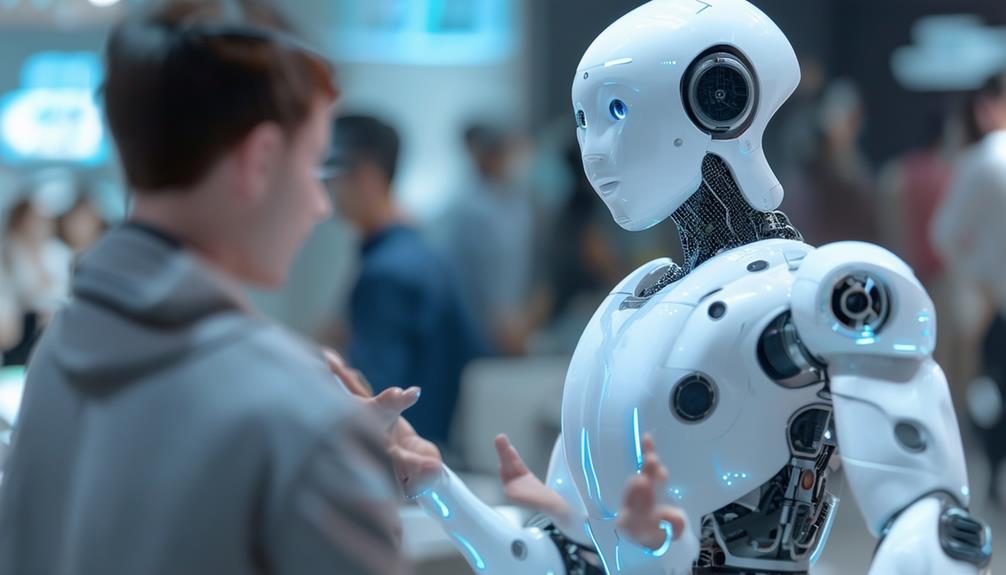
The future of social robots promises exciting advancements that will enhance their ability to perform tasks and provide companionship. These robots will feature improved capabilities, simplifying everyday activities like household chores. Innovations in robotics and AI are driving this evolution, focusing on creating more empathetic and socially intelligent robots. Consequently, these robots will not only be functional but will also better understand and respond to human emotions.
One key prospect is the ability of social robots to adapt and learn from their environments. Leveraging machine learning, these robots will continuously refine their interactions, making them more effective companions. They will be capable of interacting effectively with humans in diverse settings, including homes, schools, and healthcare facilities.
The aim is to integrate social robots seamlessly into daily life, providing valuable assistance and enriching experiences. As these innovations progress, we will enter an era where social robots are not merely tools but empathetic companions that significantly enhance our lives.
Conclusion
In the evolving landscape of social robots, these advanced machines transcend mere functionality to become companions that enhance daily life. By integrating emotional intelligence and a deep understanding of human interactions, social robots provide invaluable support in homes, elderly care, and customer service. While challenges and ethical questions persist, the future promises innovations that will foster even deeper connections. Embrace the journey with social robots as they continue to revolutionize our interactions and enhance our emotional well-being.
Related posts