The Development of AI Personal Assistants: From Clippy to Siri
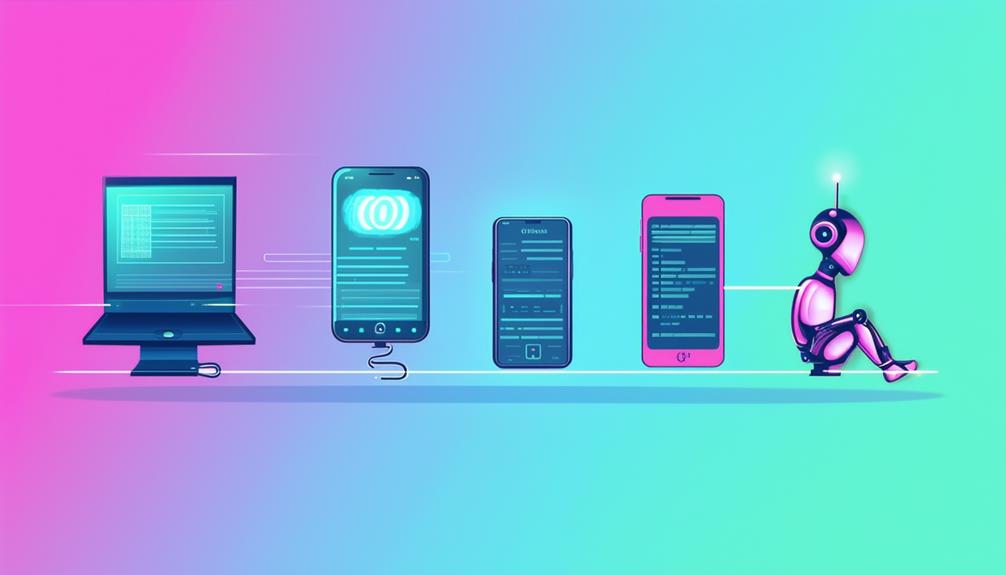
The evolution of AI personal assistants has been nothing short of extraordinary. Starting with Clippy in Microsoft Office, which utilized basic natural language processing but was often more of an annoyance, to the sophisticated Siri on Apple devices, which excels in voice recognition and contextual understanding. Clippy's rudimentary capabilities laid the foundational groundwork, while Siri represents a significant leap forward, providing seamless, voice-activated assistance embedded in everyday life. This transformation underscores the advancements in AI and machine learning technologies, enabling more intuitive and helpful interactions with our devices. How did we transition from a quirky paperclip to a sophisticated digital assistant that has become an integral part of our daily routines?
Early AI Assistants
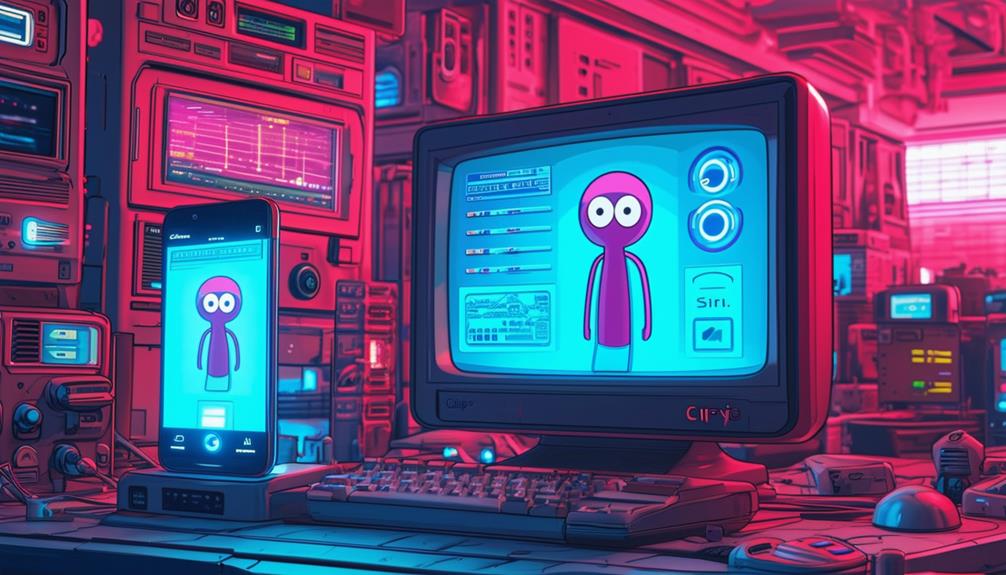
In the late 1990s, Clippy emerged as one of the pioneering AI assistants, providing interactive help within Microsoft Office applications. If you ever used Microsoft Word during that period, you likely remember Clippy's iconic paperclip character offering tips and guidance. This early AI assistant was designed to help users navigate Office applications by providing context-sensitive suggestions and troubleshooting advice.
Clippy's introduction marked a significant step forward in the development of AI assistants. Its ability to process natural language interactions allowed users to communicate with their software in a more human-like manner. This was a groundbreaking feature at the time, setting the stage for modern AI assistants.
Despite its mixed reception—some users found Clippy more annoying than helpful—the innovation behind it cannot be ignored. Clippy's anthropomorphic design and conversational interface were ahead of their time, aiming to make technology more accessible and user-friendly.
The lessons learned from Clippy's implementation have influenced the development of more advanced AI assistants like Siri, Alexa, Cortana, and Google Assistant. These modern AI systems owe part of their evolution to Clippy's pioneering efforts in making interactive, user-friendly AI a reality.
Clippy: The Pioneer
Clippy, Microsoft's iconic paperclip assistant, revolutionized software interaction by providing real-time help and guidance. Introduced in 1997, Clippy was designed to assist users with tasks in Microsoft Office applications, offering tips, suggestions, and animations to ease tasks like writing letters or creating spreadsheets.
While initially charming, Clippy faced criticism for being intrusive and distracting, leading to its removal from later Microsoft Office versions. However, Clippy's pioneering role as a virtual assistant set the stage for today's advanced AI capabilities. Key contributions include:
- Interactive Help: Offered real-time tips and suggestions based on user actions.
- User Engagement: Utilized animations and a conversational interface to maintain user engagement.
- Proactive Assistance: Anticipated user needs and provided help proactively.
- Foundation for Future AI: Laid the groundwork for sophisticated virtual assistants like Siri, Alexa, and Google Assistant.
Clippy's legacy endures in modern AI virtual assistants.
The Rise of Siri
When you think about voice assistants, Siri likely comes to mind as a transformative innovation. With its advanced voice recognition and natural language processing capabilities, Siri integrates seamlessly into Apple's ecosystem, enhancing a wide range of daily tasks. It is more than just a feature; it is a continually evolving tool designed to make interactions with Apple devices effortless and intuitive.
Voice Recognition Technology
Siri's introduction in 2010 revolutionized how we interact with our devices through voice commands. By acquiring Siri, Apple brought voice recognition technology to the forefront, making it a staple of modern AI assistants. This innovation allowed users to perform tasks hands-free, enhancing daily interactions' efficiency and convenience.
Voice recognition technology has significantly evolved since Siri's debut, transforming our tech landscape in several key ways:
- Multi-Device Integration: Siri is available across various Apple devices, including iPhones, Apple Watches, Macs, and HomePods, ensuring a cohesive and unified user experience.
- Enhanced Context Awareness: Siri's integration with Apple's ecosystem enables it to provide personalized, context-aware responses, making interactions more intuitive and relevant.
- Continuous Evolution: Siri, alongside other AI assistants like Alexa and Google Assistant, continually improves through regular updates, incorporating new features and refining existing capabilities.
- Voice-Activated Convenience: Voice recognition technology streamlines tasks such as setting reminders, sending messages, and controlling smart home devices, making these activities faster and more convenient.
Natural Language Processing
Harnessing advanced natural language processing (NLP), Siri revolutionized human-technology interaction by understanding and responding to natural human speech. When Apple acquired Siri in 2010, it marked a significant shift in the realm of AI personal assistants. Siri's sophisticated AI capabilities transformed human-device interactions, enabling users to ask questions, set reminders, and perform tasks effortlessly.
NLP technology is central to Siri's functionality, allowing it to comprehend context and nuances in speech, thereby providing accurate and relevant responses. This capability extends beyond basic commands; Siri can handle complex queries and offer personalized recommendations based on user preferences.
Integration With Ecosystem
Building on its advanced natural language processing capabilities, Siri's integration into Apple's ecosystem in 2010 introduced personalized assistance across a range of devices, significantly transforming user experiences. By embedding Siri into iPhones, iPads, Apple Watches, Macs, and HomePods, Apple established a seamless, interconnected environment where your personal assistant is always accessible. Siri's contextual awareness and integration with Apple services like Apple Music, Maps, and Calendar have revolutionized device interaction.
Here's how Siri's integration enhances your daily life:
- Unified Experience: Siri offers a consistent and personalized experience across all Apple devices, whether you're using an iPhone, Apple Watch, or HomePod.
- Contextual Awareness: Siri's improved understanding of context allows it to tailor responses and suggestions based on your location and activity, whether you're at home or work.
- Voice Control: Siri enables hands-free management of tasks such as controlling smart home devices, sending messages, and setting reminders.
- Continuous Evolution: Regular updates ensure Siri continually improves, adding new features and enhancing its capabilities for even more seamless assistance.
Siri's integration sets a high standard for AI personal assistants, demonstrating how a well-connected ecosystem can enrich every aspect of daily life.
Natural Language Processing
Natural Language Processing (NLP) enables AI personal assistants to understand and respond to human language effectively. By analyzing both text and speech patterns, NLP allows AI assistants to accurately interpret queries and provide contextually relevant and personalized responses, making interactions more natural and seamless. For example, when you ask Siri about the weather, NLP helps Siri understand your question and deliver a precise answer based on your location and preferences.
The field of NLP has seen significant advancements, particularly with the development of models like GPT (Generative Pre-trained Transformer). These models have revolutionized the conversational capabilities of AI assistants, enabling more dynamic and meaningful dialogues. Through continuous learning and extensive data processing, NLP models enhance the way AI assistants communicate, making conversations more fluid and human-like.
NLP technology is crucial for improving the communication and interaction between users and AI personal assistants, from Clippy's basic text suggestions to Siri's sophisticated voice commands. It bridges the gap between human language and machine understanding, ensuring your AI assistant meets your needs accurately and efficiently.
User Experience Evolution
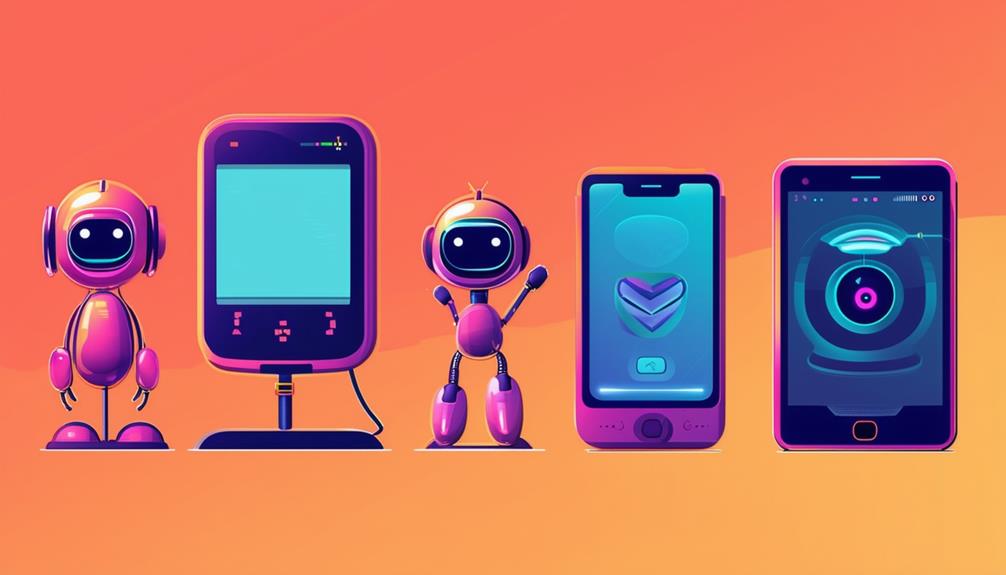
NLP advancements have significantly transformed the user experience of AI personal assistants, making interactions more intuitive and personalized. Today's AI tools are smarter, more responsive, and better equipped to understand your needs.
- Speech Recognition: Since Siri's launch in 2010, speech recognition technology has made substantial strides. Modern AI assistants can now interpret not just the words but the intent behind them, allowing for more meaningful and context-aware interactions.
- Integration with Services: Google Assistant exemplifies advanced personalization by seamlessly integrating with Google services like Maps and Search. This means you receive recommendations and answers that are tailored to your habits and preferences, such as personalized restaurant suggestions based on your previous searches.
- Natural Language Understanding: Cortana demonstrated the power of natural language understanding by enabling users to perform tasks such as setting reminders, sending emails, and controlling smart home devices through conversational commands.
- Enhanced Search Capabilities: AI tools now offer advanced search functionalities, allowing you to ask complex questions and receive precise answers quickly. This enhancement results in smoother and more efficient interactions.
These advancements make AI personal assistants indispensable in our daily lives, enhancing convenience and productivity.
Privacy and Security Concerns
Balancing the convenience of AI personal assistants with the necessity for privacy and security is a critical concern for many users. These assistants collect and store vast amounts of data, raising significant privacy issues. The thought of conversations being recorded and analyzed can be unsettling, as it potentially exposes sensitive information to unauthorized access.
Security risks are significant and pressing. Data breaches can lead to identity theft and other malicious activities. Companies developing AI assistants must ensure that data is stored and handled securely, implementing robust encryption and strict access controls to protect user information.
Users must be informed about the privacy policies of the AI assistants they use, understanding how their data is collected, stored, and shared. Choosing devices and services that prioritize privacy and offer user-friendly settings to manage data is essential.
While AI personal assistants can enhance convenience, it is crucial to remain vigilant about the security measures in place to safeguard personal information.
Integration Into Daily Life
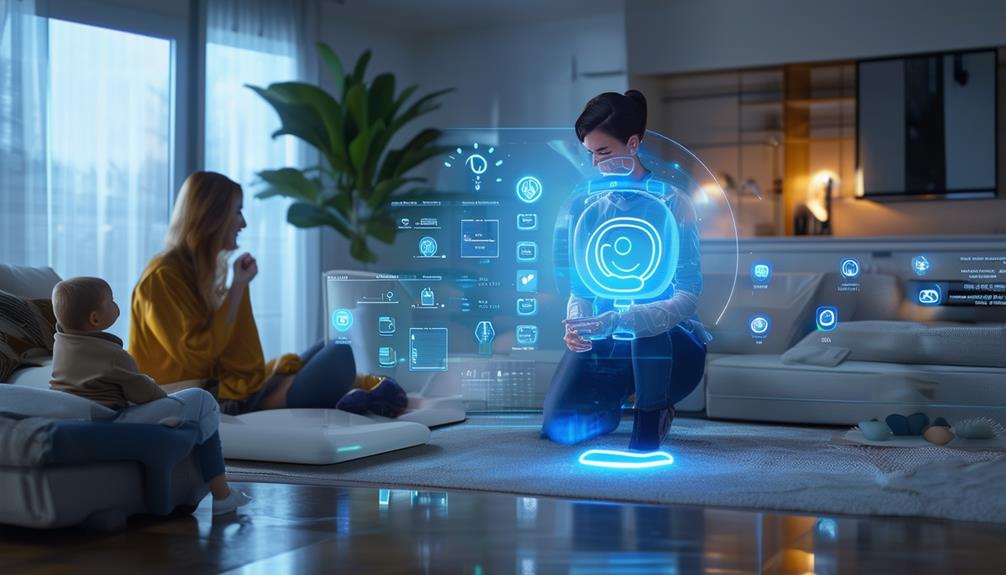
Despite ongoing privacy and security concerns, AI personal assistants like Siri have seamlessly integrated into daily life, offering unmatched convenience and efficiency. These advanced tools have revolutionized how we interact with technology, making previously manual tasks effortlessly simple.
Consider your daily routine: from setting reminders to answering queries, Siri has become indispensable. Imagine waking up and asking Siri for the weather forecast or the latest news headlines. Need a new recipe for dinner? Just ask, and Siri will search the web for you, saving both time and effort.
Here are four ways Siri has become a part of daily life:
- Task Management: Set alarms, reminders, and calendar events effortlessly through voice commands.
- Information Retrieval: Quickly search for facts, directions, or the nearest coffee shop, streamlining your search process.
- Home Automation: Control lights, thermostats, and other smart home devices simply by talking to Siri.
- Communication: Send texts, make calls, and even have Siri read your messages, keeping you connected without lifting a finger.
The widespread adoption of AI assistants like Siri underscores our growing reliance on these tools to enhance productivity and streamline daily activities.
Competing AI Assistants
When examining AI assistants, you'll notice each one has carved out its niche in the market. Siri's seamless integration with Apple products, Alexa's robust smart home capabilities, and Google Assistant's advanced conversational skills highlight their unique strengths. Understanding these distinctions can help you grasp the current market share dynamics and why certain assistants dominate specific areas.
Market Share Dynamics
In the competitive landscape of AI personal assistants, Siri, Google Assistant, and Alexa each secure distinct market shares by leveraging their unique strengths within their respective ecosystems. Siri, with its deep integration into Apple's suite of devices, holds a significant portion of the market, particularly among iPhone users. Its seamless experience across iOS, macOS, and other Apple products makes it a preferred choice for Apple enthusiasts.
Google Assistant excels on Android devices and in smart home integrations. Its robust AI capabilities and access to Google's extensive data make it a formidable competitor, especially in providing accurate information and integrating smoothly with a wide array of smart home devices.
Amazon's Alexa leads in the smart speaker market, thanks to its extensive third-party device integrations and skills. Alexa's dominance in smart home control is noteworthy, making it a favorite for those looking to automate their homes.
Here's a quick rundown of their market dynamics:
- Siri: Dominates the Apple ecosystem.
- Google Assistant: Excels in Android and smart home integrations.
- Alexa: Leads in smart speaker and smart home control.
Understanding these dynamics helps explain why each assistant has its loyal user base.
Unique Selling Propositions
Each AI personal assistant excels by offering unique features tailored to specific user needs and preferences. Siri's unique selling proposition lies in its seamless integration with Apple devices and services. For those embedded in the Apple ecosystem, Siri offers a cohesive user experience, leveraging Apple's hardware and software capabilities.
Alexa sets itself apart with an extensive library of third-party skills, allowing for extensive customization. This makes Alexa ideal for users who enjoy personalizing their tech to accommodate various tasks and preferences. Google Assistant is distinguished by its use of Google's vast knowledge graph, delivering accurate, contextually relevant responses. This makes it a top choice for users who require precise answers and efficient information retrieval, especially for complex queries.
Cortana focuses on productivity, integrating seamlessly with Microsoft's suite of products. This makes it particularly valuable for business or enterprise users, enhancing productivity and streamlining tasks. Each of these AI platforms offers unique features and capabilities, catering to different user preferences and needs in the competitive AI personal assistant market.
Technological Advancements
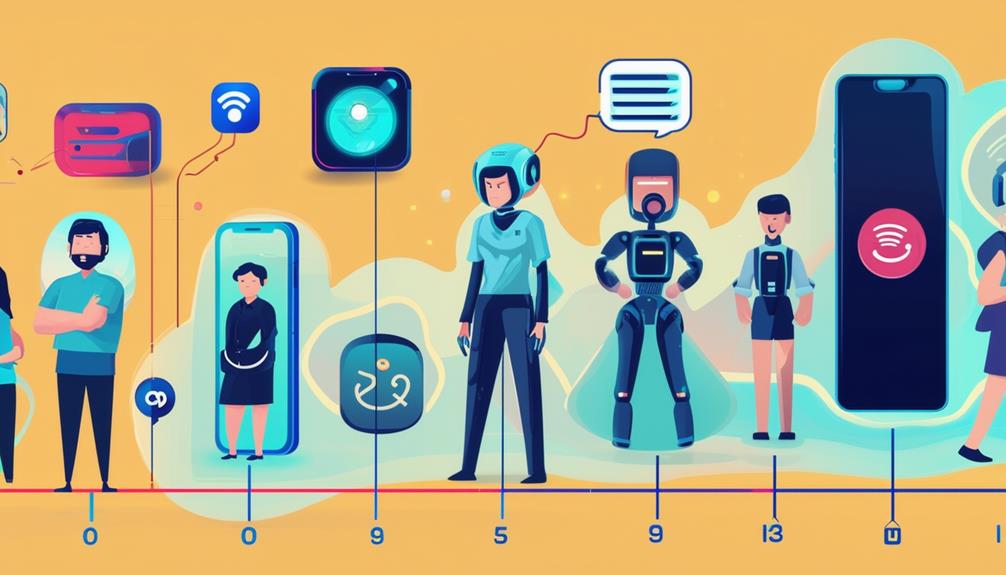
Technological advancements have significantly transformed AI personal assistants from simple text-based tools like Clippy into sophisticated systems like Siri. Clippy, introduced by Microsoft in the late 1990s, was a rudimentary virtual assistant embedded in Microsoft Office. It could assist with basic tasks but lacked the advanced capabilities we see today.
In contrast, Siri, which Apple acquired in 2010, marked a revolutionary shift in human-device interactions. Siri utilizes advanced technologies such as natural language processing (NLP) and speech recognition, enabling it to understand and respond to voice commands more accurately and naturally.
Key advancements that have driven this transformation include:
- Natural Language Processing (NLP): This technology allows AI assistants to comprehend and interpret human language, making interactions more intuitive.
- Speech Recognition: This advancement enables assistants like Siri to accurately convert spoken words into text, facilitating seamless voice commands.
- Continuous Learning Mechanisms: Modern AI assistants learn from user interactions over time, offering increasingly personalized responses.
- Integration with Devices and Services: Today's AI assistants can connect with a wide range of devices and services, providing a more cohesive and convenient user experience.
These technological advancements have not only enhanced the functionality of AI assistants but also revolutionized our daily interactions with technology.
Future Predictions
Looking ahead, AI personal assistants will offer enhanced conversational abilities, making interactions more natural and intuitive. These assistants will deliver personalized experiences tailored to individual preferences and needs. Seamless integration with various devices and platforms will become standard, ensuring consistent and efficient functionality across your digital ecosystem.
Enhanced Conversational Abilities
Future AI personal assistants will offer more human-like interactions, thanks to enhanced conversational abilities. Advances in natural language processing (NLP) and emotional intelligence will enable these assistants to understand and respond to your queries more accurately and empathetically. Imagine conversing with your AI as if you're talking to a human friend.
Here are four notable advancements to anticipate:
- Advanced Query Handling: Superior NLP capabilities will enable future AI assistants to decode complex questions effortlessly, eliminating the need for you to simplify your queries.
- Multi-Turn Conversations: AI will engage in seamless back-and-forth dialogues, making interactions more fluid and natural. You can explore topics in depth without having to restart the conversation repeatedly.
- Contextual Awareness: AI will remember previous interactions and user preferences, delivering responses that are not only accurate but also contextually relevant. This results in more personalized and useful information tailored to your needs.
- Emotional Intelligence: These assistants will recognize and respond to emotions, offering more empathetic interactions. Whether you're feeling stressed, happy, or sad, your AI will adapt its responses to better suit your emotional state.
These advancements promise a future where AI personal assistants evolve from mere tools to genuine conversational partners.
Personalized User Interactions
As AI personal assistants evolve, they will employ sophisticated algorithms to deliver highly personalized interactions tailored to your preferences and habits. By utilizing natural language processing (NLP), these assistants will engage in more fluid and meaningful conversations, creating an experience akin to conversing with a human who comprehends your unique needs.
Imagine your AI assistant not only reminding you of meetings but also suggesting optimal times for tasks based on your past behavior. It could recommend new restaurants aligned with your dietary preferences or propose routes that avoid your least favorite traffic spots. The objective is to make interactions seamless and intuitive.
Here's a glimpse of what personalized interactions could look like:
| Feature | Example |
|---|---|
| Proactive Suggestions | 'You have a meeting at 3 PM. Shall I order lunch for 2 PM?' |
| Routine Optimization | 'You often work out in the evenings. Would you like a reminder?' |
| Personalized Recommendations | 'Based on your reading history, you might enjoy this new book.' |
| Context-Aware Responses | 'Traffic is heavy today. Would you like to leave 10 minutes earlier?' |
| Adaptive Learning | 'You've been cooking more. Here are some new recipes you might like.' |
These advanced capabilities will make AI personal assistants indispensable, enriching your daily life with tailored, intelligent support.
Seamless Integration Capabilities
Imagine your AI personal assistant seamlessly managing your smart home devices, schedules, and even your car, all while anticipating your needs before you even voice them. Future predictions suggest that AI personal assistants will become deeply integrated into your daily life, offering personalized and context-aware responses that make tasks easier and more efficient.
Advancements in natural language processing (NLP) will allow these assistants to understand and respond to your commands with even greater precision. You'll be able to speak naturally to your smart speaker, and it will grasp the nuances of your requests. This means less frustration and more seamless interactions.
Here's what you can expect:
- Smart Home Control: Your AI assistant will manage your lights, thermostat, and security system, creating a comfortable and secure environment tailored to your preferences.
- Schedule Management: It will automatically sync your appointments, send reminders, and even suggest the most suitable times for activities based on your habits.
- Vehicle Integration: Your assistant will navigate routes, schedule maintenance, and even pre-condition your car's temperature before you get in.
- Proactive Assistance: Anticipating your needs, the assistant will offer suggestions and complete tasks without you having to ask.
As AI technology continues to advance, your personal assistant will become an essential part of your daily routine.
Conclusion
The evolution of AI personal assistants from Clippy to Siri highlights a significant technological advancement in user interaction. This progression, powered by natural language processing and voice recognition, has greatly enhanced user experience. As AI technology continues to advance, you can anticipate even more intuitive and integrated solutions in daily life. The future promises exciting possibilities, making interactions with technology increasingly seamless and personalized.
Related posts