Robots in Disinfection: Keeping Public Spaces Safe
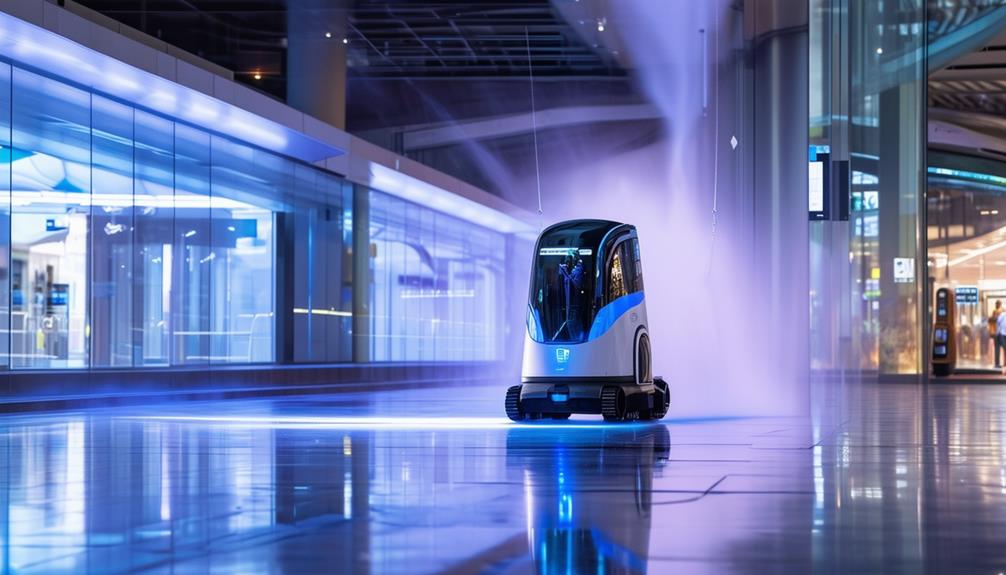
Imagine entering an airport, hotel, or hospital and feeling reassured that invisible, harmful microorganisms have been effectively eliminated by advanced robotic technology. These autonomous machines employ UV-C light and electrostatic sprayers to ensure comprehensive surface disinfection, significantly reducing the risk of infection. But how do these robots operate with such efficiency, and what specific technologies make them indispensable for public health? Understanding their mechanisms and advantages clarifies why they are becoming essential in our post-COVID-19 world. So, what exactly makes these robots crucial in our fight against infectious diseases?
How Disinfection Robots Work
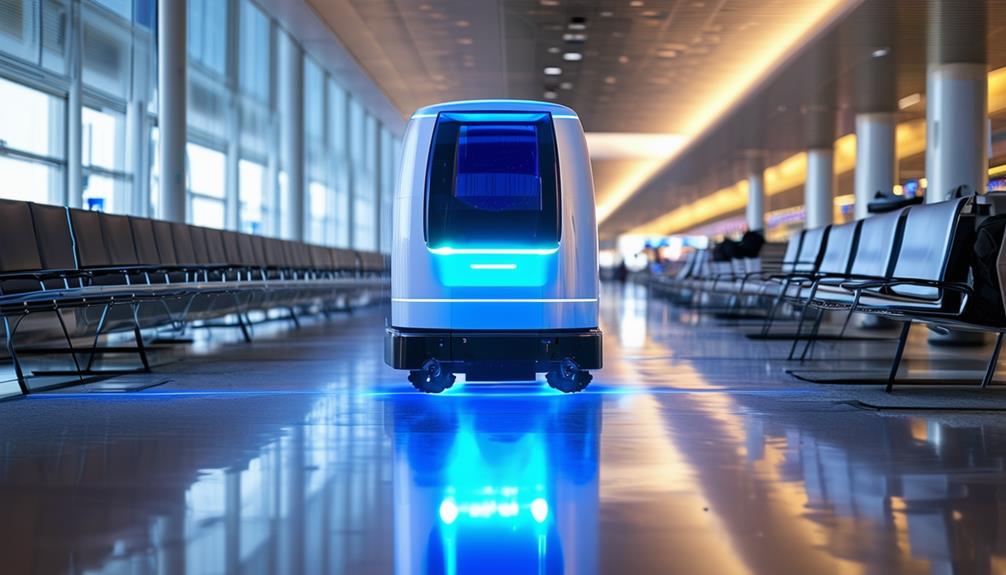
Disinfection robots operate by using UV-C light, electrostatic sprayers, and advanced sensors to efficiently eliminate harmful microorganisms. These robots are crucial for maintaining public health, especially in the wake of the COVID-19 pandemic. The UV-C light damages the DNA of pathogens, rendering them unable to reproduce and cause infections. This method is highly effective in reducing the risk of disease transmission in settings such as hospitals, schools, and commercial buildings.
In addition to UV-C light, disinfection robots employ electrostatic sprayers to disperse a fine mist that ensures comprehensive surface coverage. This mist can reach areas that traditional cleaning methods might miss, providing a more thorough disinfection. The robots are autonomous, equipped with advanced mapping systems that enable them to navigate and clean large areas without human intervention. These systems allow the robots to move efficiently and cover more ground in less time, significantly reducing manual cleaning efforts and associated costs.
Key Benefits of UV-C Robots
UV-C robots leverage advanced ultra-violet disinfection technology to significantly enhance disinfection processes and public health outcomes. These autonomous robots can eliminate 99.9% of microorganisms in a room within just 10 minutes, a rapid and effective method crucial for maintaining safety in healthcare settings and public spaces.
One of the primary benefits of UV-C robots is their ability to reduce the risk of infections, which is essential given that hospital-acquired infections lead to thousands of deaths annually. Additionally, these robots help mitigate the financial burden associated with treating such infections, thereby saving billions in healthcare costs.
Benefits of UV-C Robots:
- High Efficiency: UV-C robots can disinfect a room quickly and thoroughly, minimizing the need for manual cleaning.
- Enhanced Safety: These robots significantly reduce the spread of infectious diseases, improving overall safety.
- Cost Savings: By reducing infection rates, UV-C robots help lower healthcare costs related to infection treatment.
- Complementary to Cleaning Staff: They support cleaning staff by ensuring a higher level of cleanliness.
- Versatility: Suitable for various public spaces, including hospitals and schools, thereby enhancing public health across different settings.
Applications in Public Spaces
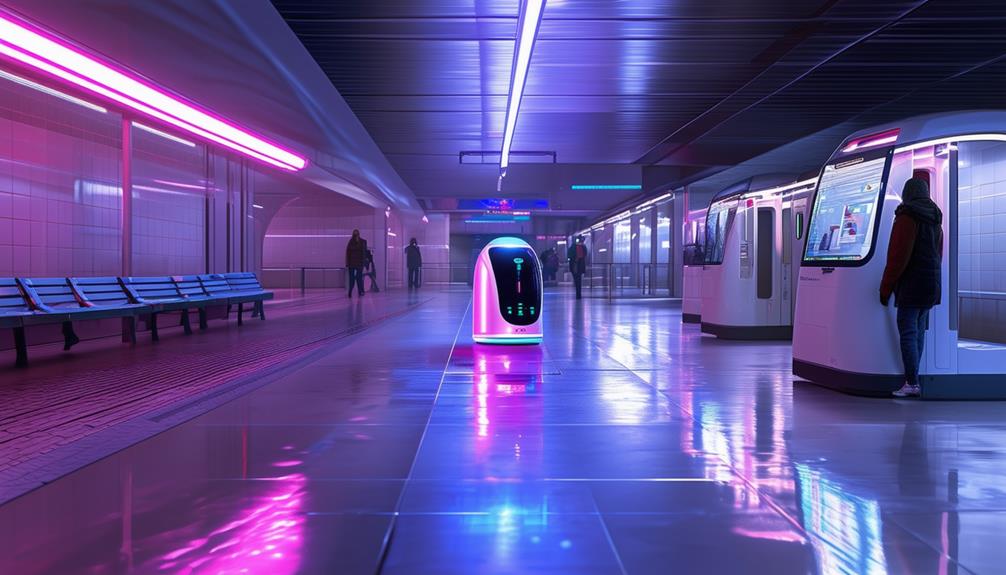
In recent years, cleaning robots have become increasingly prevalent in various public spaces, significantly enhancing sanitation and safety. These autonomous robots are deployed in airports, hotels, and train stations, providing high levels of disinfection with minimal human intervention. For example, major airports like Pittsburgh, Hong Kong, and Heathrow employ cleaning robots to ensure a cleaner environment for travelers. Hotel chains such as Hilton and Marriott use these robots for both cleaning and room service deliveries.
The integration of ultraviolet (UV) light in these robots offers an additional layer of disinfection, which has proven vital during the coronavirus pandemic when manual cleaning alone might not suffice. Food retailers and shopping malls are also trialing cleaning robots to maintain high sanitation standards, ensuring a safer shopping experience. Public transport systems operated by companies like MTR Corporation and East Japan Railway benefit from these robots, which effectively clean train compartments and station areas.
Here's an overview of where cleaning robots are making a significant impact:
| Public Space | Use Cases | Benefits |
|---|---|---|
| Airports | Terminal disinfection | Enhanced traveler safety |
| Hotels | Room cleaning, service deliveries | Improved guest experience |
| Train Stations | Compartment and station cleaning | Hygienic commuting |
| Malls and Retail | General sanitation | Safer shopping environment |
These advancements underscore the crucial role of cleaning robots in maintaining hygiene in public spaces.
Leading Disinfection Robot Models
Several cutting-edge disinfection robot models are revolutionizing hygiene maintenance in diverse environments. These robots are transforming public spaces like hospitals, airports, and shopping malls, ensuring they remain safe and sanitized.
Among the notable models is Blue Ocean Robotics' UVD robot, which has garnered awards for its ultraviolet (UV) light technology that effectively kills bacteria on surfaces. Another standout is TMiRob from Taimi Robotics Technology, a versatile disinfection robot that uses multiple methods, including UV, hydrogen peroxide, and plasma air filtration, offering a robust approach to public safety.
Siemens Aucma's model is particularly impressive with its ability to navigate varied terrains using caterpillar tracks, making it ideal for different environments. Various suppliers continuously innovate, offering unique designs tailored to specific needs and limitations. These robots complement the efforts of cleaning staff by providing efficient and thorough disinfection methods.
- Blue Ocean Robotics' UVD robot: Award-winning UV technology.
- TMiRob: Multi-method disinfection using UV, hydrogen peroxide, and plasma air filtration.
- Siemens Aucma: Versatile, terrain-adaptive model with caterpillar tracks.
- Supplier innovations: Unique designs for different needs.
- Complementary to cleaning staff: Enhancing efficiency and thoroughness.
These disinfection robots play a crucial role in maintaining high hygiene standards in public spaces, ensuring both safety and cleanliness.
Future Trends in Robotic Disinfection
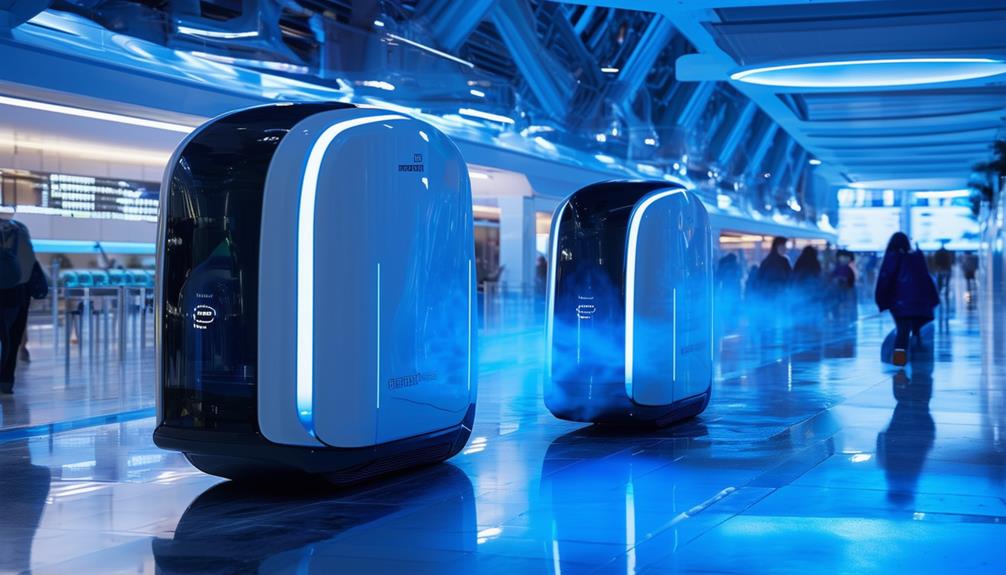
The future of robotic disinfection is poised to be revolutionary, driven by advancements in mapping systems and AI integration. Envision robots navigating public spaces with exceptional precision, enabled by state-of-the-art mapping technology. These robots will thoroughly disinfect every corner, ensuring comprehensive cleanliness in public areas.
AI technology will significantly enhance the efficiency and effectiveness of these disinfecting robots. Integration with IoT devices will enable seamless communication and task coordination, optimizing the cleaning process. Predictive cleaning capabilities, powered by AI algorithms, will allow robots to optimize cleaning schedules based on real-time data, ensuring that high-traffic areas are sanitized more frequently.
The advancements extend beyond just movement and scheduling. Continuous improvements in disinfection methods will equip future robots with more advanced technologies, achieving higher levels of cleanliness. This will not only make public spaces safer but also allow human workers to focus on other critical tasks. The future of robotic disinfection promises a cleaner, safer environment, propelled by relentless technological innovation.
Conclusion
Disinfection robots work tirelessly to keep public spaces safe by harnessing UV-C light and advanced technologies to ensure thorough cleaning and protection against harmful microorganisms. These robots significantly impact various settings, including airports, hotels, and hospitals. As technology evolves, anticipate even more efficient and innovative solutions. Embrace the future of cleanliness and safety with these remarkable robotic helpers.
Related posts