
Introduction to Cognitive Computing
Imagine a world where machines think and learn like humans. Cognitive computing brings this vision closer to reality by leveraging AI and machine learning to process vast amounts of data, identify patterns, and make informed decisions. This technology transcends mere automation; it emulates human thought processes to enhance problem-solving and decision-making. But what differentiates it from traditional AI? Understanding these distinctions can revolutionize how you integrate technology in your field. So, what is the true potential of cognitive computing for your industry?
What Is Cognitive Computing?
Cognitive computing emulates human thought processes through advanced technologies such as data mining, pattern recognition, and natural language processing. In cognitive computing, machines are designed to replicate human thinking, not merely by following pre-programmed instructions but by learning and adapting. Utilizing artificial intelligence (AI) and machine learning, cognitive computing systems analyze vast datasets to identify patterns and make informed decisions.
These systems are adept at understanding and processing human language, thanks to natural language processing (NLP). NLP enables them to interpret and respond to complex queries in a way that feels intuitive and human-like, going beyond simple keyword matching to grasp the context and nuances of communication.
Cognitive computing transcends basic data processing; it involves creating systems that continuously evolve through learning. These systems not only improve their task performance but also enhance their understanding and reasoning over time. This evolving capability is crucial for solving complex problems in diverse fields such as healthcare and finance. By mimicking human cognitive abilities, cognitive computing aims to enhance decision-making and problem-solving, offering a powerful tool for addressing contemporary challenges.
Core Features
Core features of cognitive computing, such as natural language processing (NLP), machine learning, and neural networks, empower these systems to autonomously understand, reason, and solve complex problems. These technologies enable cognitive systems to interpret and analyze vast amounts of data, providing insights and solutions that would be challenging for humans to achieve alone.
Natural Language Processing (NLP): Enables these systems to understand and interact using human language, making communication more intuitive.
Machine Learning: Allows systems to learn autonomously from data without explicit programming, continuously enhancing their performance.
Neural Networks: Inspired by the human brain, these facilitate advanced pattern recognition, enabling systems to identify intricate relationships within data.
The self-learning capabilities of cognitive systems include:
- Data Mining: Extracting valuable information from large datasets.
- Pattern Recognition: Detecting patterns and regularities in data.
- Continuous Evolution: Adapting and improving over time.
- Natural Language Processing: Comprehending and generating human language.
Together, these core features enable cognitive computing systems to handle complex, dynamic environments. By leveraging data mining and pattern recognition, they continuously evolve, becoming more adept at problem-solving and decision-making. This relentless learning cycle fosters systems that are proactive in addressing challenges, ensuring they remain relevant and effective.
Real-World Applications

Cognitive computing is revolutionizing various industries by enhancing how we diagnose diseases, detect fraud, and receive personalized recommendations. In healthcare, IBM Watson exemplifies the power of cognitive computing. By leveraging AI and natural language processing (NLP), Watson analyzes medical data to assist doctors in diagnosing diseases and suggesting treatment plans.
In finance, cognitive computing technologies enable institutions to detect fraud, perform risk analysis, and ensure regulatory compliance. These systems analyze data patterns to protect customer assets and maintain adherence to regulations. Retail giants like Amazon and Netflix use cognitive computing to enhance customer experiences. By examining viewing and purchasing habits, these companies offer personalized product recommendations tailored to individual preferences.
Virtual assistants such as Alexa, Siri, and Google Assistant also utilize cognitive systems to understand and respond to voice commands, simplifying everyday tasks like setting reminders and controlling smart home devices. Cognitive systems are designed to continuously learn and adapt to new information, making them highly versatile. By automating complex tasks and optimizing business processes, these technologies significantly improve productivity across various sectors.
AI Vs. Cognitive Computing
When comparing AI and cognitive computing, it's essential to note that AI focuses on executing specific tasks that require human-like intelligence, such as image recognition or language translation. In contrast, cognitive computing aims to emulate human thought processes on a broader scale. Cognitive systems analyze vast amounts of both structured and unstructured data to provide recommendations and adapt in real-time. This capability to learn from and interact with contextual data makes cognitive computing particularly effective in complex, dynamic environments, where adaptability and contextual understanding are crucial.
Core Concept Differences
Unlike traditional AI, cognitive computing simulates human thought processes to provide more adaptive and personalized insights. Cognitive computing extends beyond AI and machine learning by comprehending natural language, interpreting both structured and unstructured data, and employing deep learning to emulate human cognition. It's not merely about executing predefined algorithms; cognitive computing systems can self-learn and adjust to new information in real-time, offering more dynamic and personalized insights.
Here are four key differences between AI and cognitive computing:
- Human Thought Simulation: While traditional AI relies on predefined algorithms, cognitive computing mimics human thought processes to address complex problems.
- Data Handling: Cognitive computing excels at processing vast amounts of both structured and unstructured data, unlike traditional AI, which may struggle with unstructured information.
- Adaptability: Cognitive computing systems learn and improve over time, adjusting to new information and evolving conditions.
- Personalized Insights: By understanding natural language and context, cognitive computing provides more personalized and relevant recommendations.
In cognitive business processing, Natural Language Processing (NLP) plays a crucial role in enabling systems to better understand and interact with human users. This adaptability and sophistication make cognitive computing a significant advancement beyond traditional AI.
Real-World Applications
Cognitive computing's ability to understand and learn from data sets it apart from traditional AI, enabling transformative applications across diverse industries. In healthcare, cognitive computing can analyze extensive patient data, leveraging machine learning and neural networks to offer personalized solutions and enhance diagnostic accuracy. This evolution ensures treatments tailored to individual needs.
In customer service, chatbots powered by cognitive computing can comprehend and respond to customer queries with a human-like touch, improving user experience. These systems continuously learn from interactions, providing more accurate and efficient responses over time.
In finance, cognitive computing is revolutionizing fraud detection. By analyzing patterns and behaviors, these systems can identify suspicious activities in real-time, reducing risks. Similarly, in cybersecurity, cognitive computing aids in identifying and mitigating threats by learning from past incidents and adapting to new ones.
Marketing also greatly benefits from cognitive computing. By analyzing consumer behavior through emotion analysis and natural language processing, these systems can develop highly targeted marketing strategies. The ability to deliver personalized solutions in real-time makes cognitive computing crucial in today's technological landscape.
Benefits
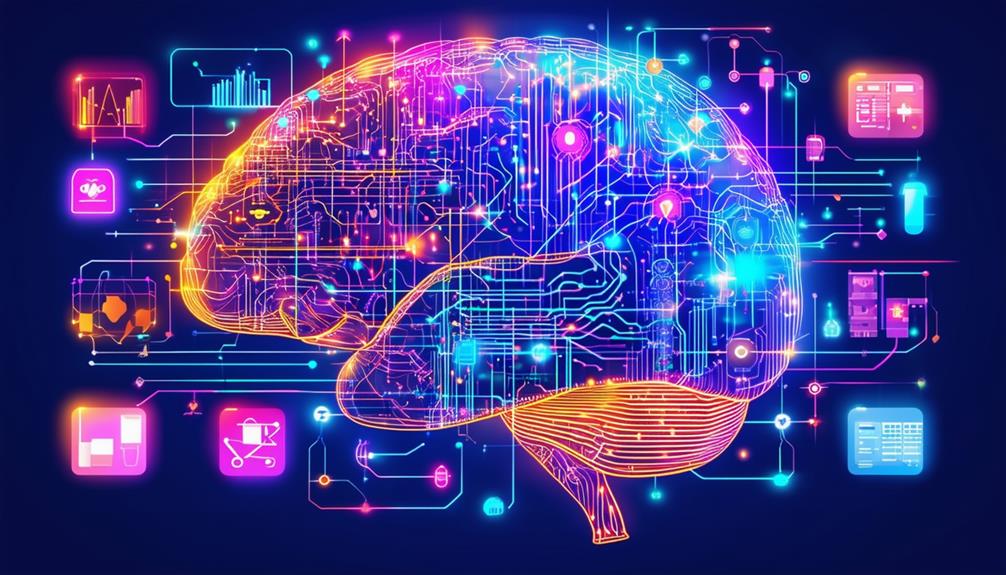
Cognitive computing revolutionizes business operations by enhancing data interpretation, troubleshooting, and decision-making through self-learning systems. These systems analyze extensive datasets in real time, thereby increasing operational efficiency. By learning from data, they assist humans and provide recommendations for more personalized solutions.
Key benefits of cognitive computing include:
- Enhanced Decision-Making: Cognitive systems analyze complex datasets to deliver valuable insights, which significantly improve decision-making processes.
- Error Detection: They excel in identifying and correcting errors, thereby minimizing the risk of costly mistakes.
- Personalization: These systems can customize solutions based on individual needs, leading to improved customer satisfaction and retention.
- Operational Efficiency: Automation of routine tasks and real-time data analysis streamline operations, saving both time and resources.
Cognitive computing leverages artificial intelligence, signal processing, and machine learning to emulate human thought processes. This technology supports customer retention strategies, error detection, and provides real-time insights crucial for business success. With continuous learning capabilities, cognitive systems evolve autonomously, resolving complex issues more efficiently over time. By integrating data mining, pattern recognition, and natural language processing, cognitive computing spearheads automation and innovation across various industries.
Ethical Considerations
When considering cognitive computing, it is crucial to address ethical issues such as privacy and data security, given that these systems often analyze sensitive personal information. Bias and fairness are also significant concerns, as improper training data can lead to unfair outcomes. Ensuring transparency and accountability is essential to build trust and ensure the responsible use of these advanced technologies.
Privacy and Data Security
Privacy concerns in cognitive computing arise from the extensive collection and analysis of sensitive personal data, necessitating stringent ethical guidelines. When dealing with cognitive computing technologies, protecting data privacy is paramount. Without stringent data security measures, there is a risk of misuse or breaches that could expose sensitive personal data. Ethical guidelines are essential not only for protecting privacy but also for addressing other critical issues such as job displacement and the responsible use of these technologies.
To ensure the ethical use of cognitive computing, it is crucial to:
- Implement robust data security measures to protect sensitive personal data.
- Adhere to ethical guidelines that emphasize transparency, fairness, and accountability.
- Mitigate biases in data and algorithms to ensure equitable outcomes for all users.
- Comply with relevant regulations to maintain responsible use across different industries.
Bias and Fairness Issues
Ensuring data privacy is crucial, but it's equally important to prevent cognitive computing systems from perpetuating biases that lead to unfair outcomes. These systems often reflect disparities in the data they are trained on, which can result in discriminatory decision-making. Ethical considerations must be prioritized to promote fairness in these systems.
To address bias, it's essential to actively mitigate disparities in data, algorithms, and decision-making processes. This involves ensuring transparency in decision-making and implementing measures to detect and correct biases. By scrutinizing the data and algorithms, potential sources of unfairness can be identified and rectified.
Fairness in cognitive computing extends beyond technical aspects; ethical guidelines and regulations are also critical. These guidelines establish standards for the development and deployment of these systems, promoting fairness and accountability. Adhering to these regulations ensures that cognitive computing systems are not only efficient but also just and equitable.
Implementation Challenges

Implementing cognitive computing solutions involves overcoming several challenges, including data privacy concerns and the complex integration with existing systems. It's crucial to handle sensitive information responsibly to avoid significant legal and reputational risks. Integration with current systems often requires intricate technical adjustments and substantial resource allocations.
Ethical considerations are also paramount. Cognitive computing can lead to job displacement, necessitating strategies to mitigate negative impacts on the workforce. Additionally, biases in data and algorithms can skew results, making it essential to actively manage and rectify these biases.
Adhering to regulations and ethical guidelines is critical. Each step in the implementation process should comply with existing laws and best practices to avoid legal complications and maintain public trust. Key considerations include:
- Data Privacy: Implement robust measures to protect sensitive information.
- Ethical Use: Develop strategies to mitigate issues like job displacement.
- Bias Management: Regularly audit algorithms for fairness.
- Compliance: Stay updated on regulations and adhere to ethical guidelines.
Successfully implementing cognitive computing solutions requires a balanced and thoughtful approach to navigate these challenges effectively.
Evolving Business Processes
Cognitive computing is revolutionizing business processes by integrating advanced technologies such as AI, machine learning, and natural language processing. These technologies are essential for improving decision-making, operational efficiency, and customer interactions across various industries. Leveraging cognitive computing enables real-time insights and the development of personalized solutions tailored to customer needs.
When combined with IoT devices, cognitive computing facilitates digitization, allowing for data-driven decisions and innovative growth strategies. Predictive analytics, a component of cognitive computing, helps anticipate market trends and customer behaviors, ensuring you stay competitive. This shift from reactive to proactive measures optimizes processes and reduces inefficiencies.
Additionally, cognitive computing automates routine tasks, freeing your team to focus on strategic initiatives. It enhances customer interactions by providing instant responses and solutions, thereby increasing customer satisfaction. Continuous real-time insights allow for the ongoing refinement of business strategies, ensuring they remain relevant and effective.
Incorporating these advanced technologies into your business model not only improves operational efficiency but also creates a more connected and responsive enterprise. By adopting cognitive computing, you are paving the way for a future where your business processes are more agile, intelligent, and customer-centric.
Future Outlook

Looking ahead, advancements in machine learning and deep learning will propel cognitive computing into new realms of capability and innovation. The future of cognitive computing is promising, with systems necessitating more sophisticated learning algorithms to analyze vast amounts of data. These advanced systems will enhance pattern recognition and improve operational efficiency across a variety of sectors.
In the healthcare industry, cognitive processing will assist doctors in making more informed decisions by analyzing extensive medical data. The integration of cognitive computing with IoT devices will further enrich its capabilities, enabling real-time data processing and personalized solutions.
Key trends shaping the future of cognitive computing include:
- Integration with IoT: Connecting cognitive systems with IoT devices for real-time data processing and decision-making.
- Explainable AI: Developing AI that is transparent and accountable to build trust and reliability in cognitive applications.
- Advanced NLP: Improving natural language processing to better understand and interact with human language.
- Sector Expansion: Extending the application of cognitive computing across diverse industries for tailored solutions.
As cognitive computing evolves, it will become an integral part of everyday operations, helping a wide range of sectors optimize their processes and deliver better outcomes.
Conclusion
Embracing cognitive computing ushers in a future where machines emulate human thought processes, enhancing decision-making and problem-solving capabilities. This technology's real-world applications and transformative potential make it a significant innovation across various industries. While ethical and implementation challenges exist, the benefits considerably outweigh the obstacles. As cognitive computing evolves, expect groundbreaking advancements that will redefine business processes and improve everyday experiences. The future is intelligent and promising.