Innovations in Autonomous Drones: From Delivery to Surveillance
When thinking about innovations in autonomous drones, their role in expediting delivery services might come to mind first, but that's just the beginning. These drones are revolutionizing security measures through real-time surveillance and proactive threat detection. The advancements extend to critical applications in defense and industry-specific needs, all while navigating a complex regulatory landscape. Curious about how these flying marvels are reshaping our world and what future innovations might hold? Let's explore the captivating evolution of autonomous drones and their multifaceted impact.
Evolution of Autonomous Drones
The evolution of autonomous drones has seen remarkable progress, particularly in AI algorithms that enable them to perform complex tasks autonomously. These drones are now adept at operating efficiently across diverse environments, from bustling urban landscapes to challenging offshore conditions. The integration of IoT technology has been transformative, allowing for real-time data sharing and analysis that significantly enhances drone performance.
A notable advancement in this field is the development of autonomous drone swarms. These swarms can execute collaborative tasks far beyond the capabilities of a single drone, transforming industries such as agriculture, logistics, and disaster management. For instance, a fleet of drones can collaboratively survey large areas, share data instantaneously, and make collective decisions, thereby improving efficiency and effectiveness.
However, these technological advancements come with the responsibility of adhering to safety regulations and protocols. It is crucial to understand these regulations to ensure the legal and safe operation of autonomous drones across various sectors. By following these protocols, you contribute to the safe integration of drones into everyday life, enabling them to undertake increasingly complex tasks with precision and reliability.
Key Technologies in Drone Automation
Amidst the constantly evolving tech landscape, key technologies in drone automation are revolutionizing industries by enhancing efficiency and decision-making capabilities. Drones now employ AI algorithms to autonomously manage complex decision-making processes, enabling them to perform tasks previously impossible without human intervention. Integration with IoT technology allows drones to share real-time data, bolstering their performance and reliability.
Drone automation is also facilitating collaborative tasks. Swarms of drones can work in concert to execute intricate operations, significantly advancing industry transformation. This innovation is fundamentally altering how industries function. However, ensuring safe operations and regulatory compliance is crucial. Autonomous drones must navigate a complex regulatory landscape to prevent conflicts and ensure public safety. Balancing innovation with regulation is key to the successful adoption of drone technology.
| Innovation | Impact | Emotional Response |
|---|---|---|
| AI Algorithms | Enhanced decision-making | Excitement |
| IoT Technology | Real-time data sharing | Optimism |
| Collaborative Tasks | Industry transformation | Awe |
In essence, drone automation, driven by AI algorithms and IoT technology, is reshaping industries, ensuring safer operations, and enabling collaborative tasks.
Drone Navigation Systems
When considering drone navigation systems, GPS-based navigation and obstacle avoidance technology are essential components. These systems enable drones to maintain their course, avoid obstacles, and perform precise maneuvers, thereby enhancing the overall efficiency and safety of autonomous drone operations.
GPS-Based Navigation
Leveraging satellite signals, GPS-based navigation systems enable drones to track locations and plan routes with high precision. These systems form the backbone for drones to execute autonomous flights by utilizing GPS coordinates for waypoint navigation and return-to-home functions. With accurate location tracking, drones can maintain stable flight paths, ensuring they reach designated destinations precisely.
Here's a quick overview of the core functionalities:
| Functionality | Description | Benefit |
|---|---|---|
| Location Tracking | Uses satellite signals to determine exact positions | Improved accuracy and reliability |
| Route Planning | Plans and optimizes flight routes | Efficient pathfinding and time-saving |
| Autonomous Flight | GPS coordinates guide the drone's journey | Hands-free operation |
| Return-to-Home Functions | Directs drones back to the starting point | Increased safety and convenience |
Integrating GPS with other sensors and AI algorithms ensures seamless navigation in diverse environments. GPS technology is not just about moving from point A to point B; it's about enhancing safety, efficiency, and reliability during various operations. These systems help drones avoid obstacles, maintain stable flight paths, and are essential for both commercial and recreational applications. Whether for delivery, surveillance, or other purposes, GPS-based navigation systems are crucial for achieving optimal performance.
Obstacle Avoidance Technology
Obstacle avoidance technology in drones leverages advanced sensors and AI algorithms to detect and navigate around obstacles, ensuring safer and more efficient flights. By integrating LiDAR, ultrasonic, and infrared sensors, drones collect real-time environmental data. These sensors collaborate to provide a comprehensive view, enabling the drone to make instant decisions to avoid collisions.
Deploying a drone with obstacle avoidance technology means utilizing sophisticated AI algorithms that process sensor data to create detailed 3D maps of the surroundings. This significantly enhances the drone's navigation capabilities, whether maneuvering through tight spaces during a delivery or avoiding obstacles during a surveillance mission. The technology ensures smooth and efficient operations.
Implementing obstacle avoidance systems is crucial for minimizing accident risks and boosting the reliability of autonomous drones. As the reliance on drones for tasks like package delivery and security surveillance increases, this technology becomes essential for mission success. In essence, obstacle avoidance technology transforms drones into more intelligent, reliable, and efficient tools for various applications.
Autonomous Drone Delivery
Autonomous drone delivery is revolutionizing the logistics industry, offering unparalleled speed and efficiency. Delivery times are reduced by up to 50% compared to traditional methods, providing significant benefits for businesses and consumers. For instance, urgent medical supplies can be delivered to your doorstep much faster than before, ensuring vital items reach you promptly and reliably.
Safety is a paramount concern, with drones equipped with advanced navigation systems and sensors to avoid obstacles, ensuring secure and accurate deliveries. Regulatory bodies are actively setting and monitoring guidelines to uphold high safety standards, which fosters public trust and facilitates broader adoption of this technology.
The environmental benefits are also noteworthy. Drones operate on electric power, significantly reducing carbon emissions compared to conventional delivery vehicles. This transition to greener logistics not only helps businesses achieve sustainability goals but also offers quicker service.
Key advantages of autonomous drone delivery include:
- Speed: Reduces delivery times by up to 50%.
- Safety: Features advanced navigation systems and robust safety measures.
- Sustainability: Reduces carbon footprint with electric power.
Given these advantages, the autonomous drone delivery market is expected to reach $10 billion by 2024.
Surveillance Capabilities
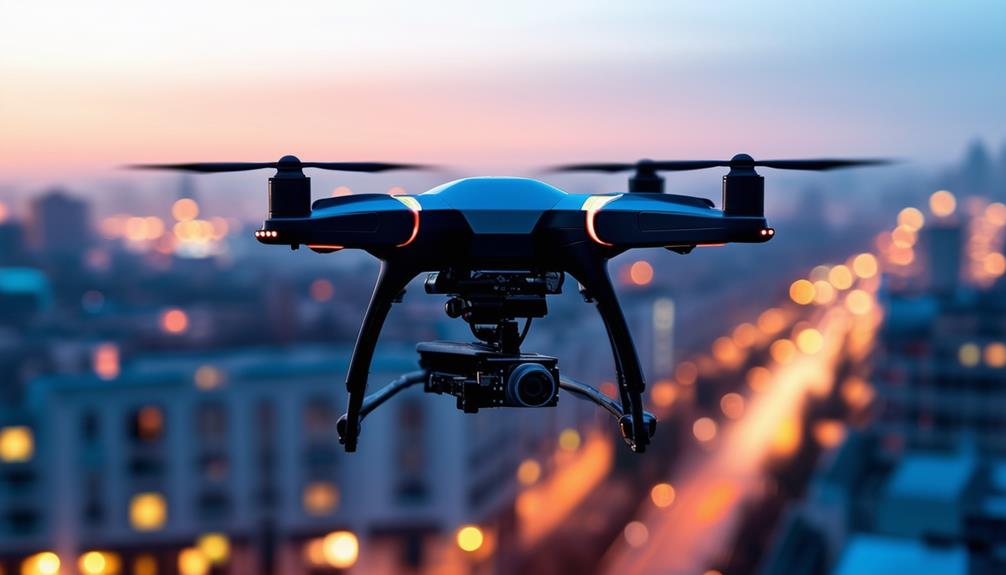
Autonomous drones are revolutionizing surveillance by efficiently monitoring extensive areas and providing real-time threat assessments. Equipped with advanced sensors and cameras, these drones offer unparalleled surveillance capabilities, enabling proactive detection of suspicious activities and identification of security risks. By integrating AI technology, they can analyze data in real-time, enhancing situational awareness and facilitating rapid decision-making.
In search and rescue operations, autonomous drones are invaluable. They provide aerial support, helping to locate missing persons and assess dangerous situations from above. Their ability to cover large areas quickly ensures that rescue teams receive the critical information needed to act swiftly and effectively.
Law enforcement agencies are also leveraging autonomous drones for surveillance and reconnaissance missions. With advanced sensors, these drones can detect and track moving targets, offering crucial support during operations. This constant monitoring ensures that public spaces and critical infrastructure are always under watch, enabling rapid response to potential threats.
Autonomous drones are undeniably reshaping the landscape of surveillance, offering enhanced capabilities essential for maintaining security and safety across various environments.
Security and Defense Applications
In the field of security and defense, autonomous drones are pivotal for identifying terrorist activities and detecting ballistic missile threats. These advanced drones offer rapid response capabilities and are essential for surveillance in hard-to-reach areas. Fly4Future's drone hunting system exemplifies how these technologies secure sensitive locations like airports and stadiums.
Autonomous drones excel not just in single-unit operations but also in swarm configurations, which play a critical role in intelligence gathering and reconnaissance missions. Imagine a fleet of drones working in unison to scan a vast area, transmitting real-time data to your command center. These swarms can cover more ground and provide a comprehensive view, making them invaluable in military operations.
- Speed: Autonomous drones can be rapidly deployed to respond to emerging threats.
- Versatility: They can operate in diverse environments, from urban areas to rugged terrains.
- Efficiency: Drone swarms can gather and relay intelligence more efficiently than traditional methods.
Custom-built drones from Fly4Future can be tailored to meet specific security and defense needs. Leveraging these innovations puts you a step ahead in safeguarding your assets and ensuring mission success.
Industry-Specific Uses
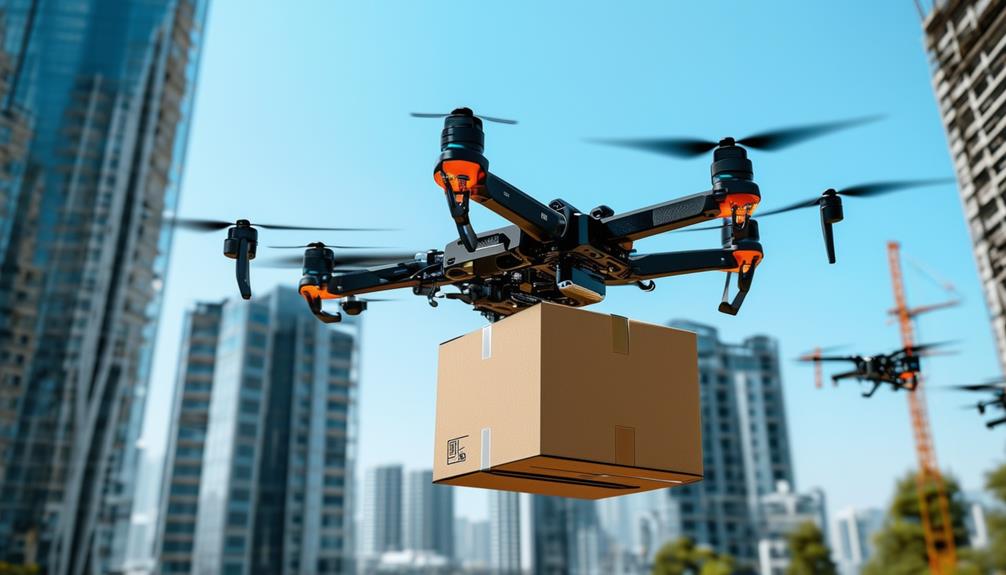
From healthcare to retail, multiple industries are leveraging autonomous drones to revolutionize their operations. In the healthcare sector, these drones are transformative. They enable rapid delivery of medical supplies, organs, and emergency aid to remote locations. For example, a drone can swiftly deliver a life-saving organ or essential medical supplies to a hospital in an inaccessible area. Companies like Zipline are already making this a reality, ensuring that lifesaving materials reach their destinations without the delays associated with traditional roadways.
Retail giants such as Walmart are also exploring aerial delivery options to enhance their logistics. These drone delivery services help reduce roadway congestion and greenhouse gas emissions, making them an eco-friendly alternative to conventional delivery methods. Studies have shown that drones significantly lower carbon footprints and energy consumption, further supporting their adoption across various industries.
Regulatory Landscape
As industries increasingly adopt autonomous drones for various applications, comprehending the regulatory landscape is essential for ensuring legal and safe operations. Compliance with aviation authorities such as the Federal Aviation Administration (FAA) in the USA and the European Union Aviation Safety Agency (EASA) in Europe is crucial for companies engaged in drone deliveries. These regulations encompass several critical areas:
- Safety Measures: Ensuring drones operate without posing risks to humans or property.
- Privacy Protection: Safeguarding personal data and preventing unauthorized surveillance.
- Pilot Certifications: Requiring training and certification for drone operators.
Airspace management is another significant aspect of the regulatory landscape. Drones must navigate shared airspace without interfering with manned aircraft, making adherence to regulations crucial for safety, public trust, and acceptance.
Drone industry stakeholders, including manufacturers, operators, and service providers, must collaborate with regulatory bodies to influence and shape these rules. By working together, they can ensure that evolving regulations accommodate technological advancements while maintaining high standards of safety and privacy.
Ultimately, understanding the regulatory landscape is key to harnessing the full potential of autonomous drones. Compliance with established rules ensures efficient operations and paves the way for broader adoption of drone technologies.
Future Innovations
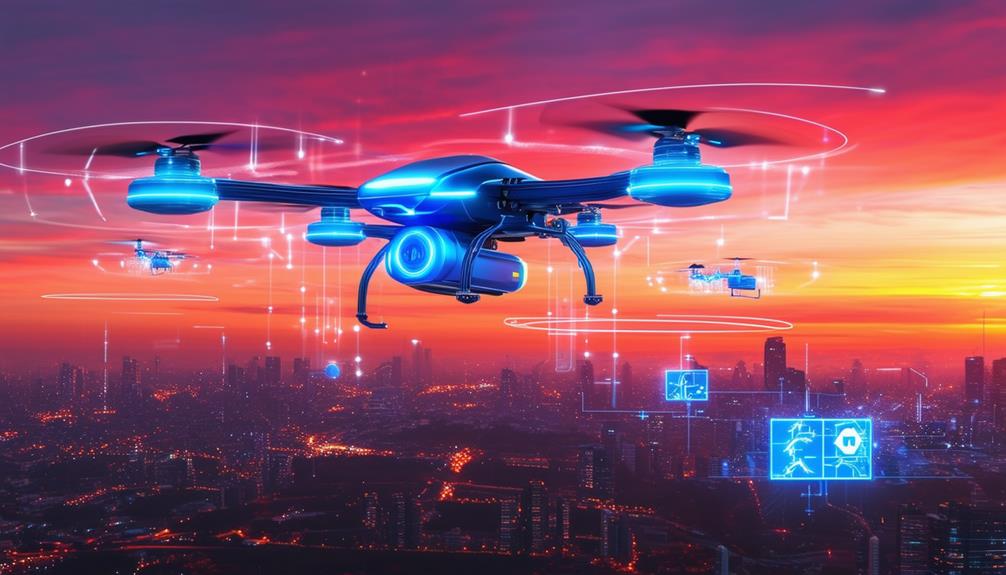
Future innovations in autonomous drones promise to revolutionize delivery services and logistics networks globally. Drone swarms, orchestrated by advanced AI, will facilitate faster and more efficient delivery processes, whether in bustling cities or remote villages. These swarms will collaborate to manage large volumes of packages, making last-mile delivery quicker and more reliable.
AI advancements are pivotal in enhancing the capabilities of autonomous drones. With smarter algorithms, drones will navigate complex environments more effectively, reducing delivery times and increasing accuracy. Integration with existing logistics networks will allow these drones to seamlessly coordinate with traditional delivery methods, streamlining the entire process.
One of the most exciting prospects is the expansion of services to underserved regions. Autonomous drones can bypass traditional infrastructure, delivering essential goods and services to areas that were previously difficult to reach. This not only improves accessibility but also drives economic growth and job creation.
Here's a quick overview of future innovations in autonomous drones:
| Future Innovations | Impact on Delivery Services |
|---|---|
| Drone Swarms | Faster, coordinated deliveries |
| AI Advancements | Improved navigation and accuracy |
| Service to Underserved Regions | Enhanced accessibility and growth |
These technological advancements are set to transform the delivery landscape, making it more efficient and inclusive.
Conclusion
Autonomous drones are revolutionizing various industries by accelerating deliveries and enhancing surveillance and security measures. Equipped with advanced navigation systems and real-time monitoring capabilities, these drones are improving operational efficiency and safety across multiple sectors. While regulatory frameworks are still catching up, the future holds promise for even more advancements in this field. Embrace these innovations to experience the enhanced efficiency and security that autonomous drones can bring to your industry.
Related posts