Fundamentals of Computer Vision and Its Applications
Computer vision is a transformative field that enables machines to interpret and interact with visual data, allowing them to understand and respond to their environment. This technology powers many everyday applications, such as facial recognition on smartphones, advanced medical imaging techniques, and autonomous vehicles. But how does it work, and why is it so crucial across various industries? Understanding the core principles and cutting-edge methodologies behind computer vision reveals its indispensable role in modern innovation. Let's explore these fundamentals further.
What Is Computer Vision?
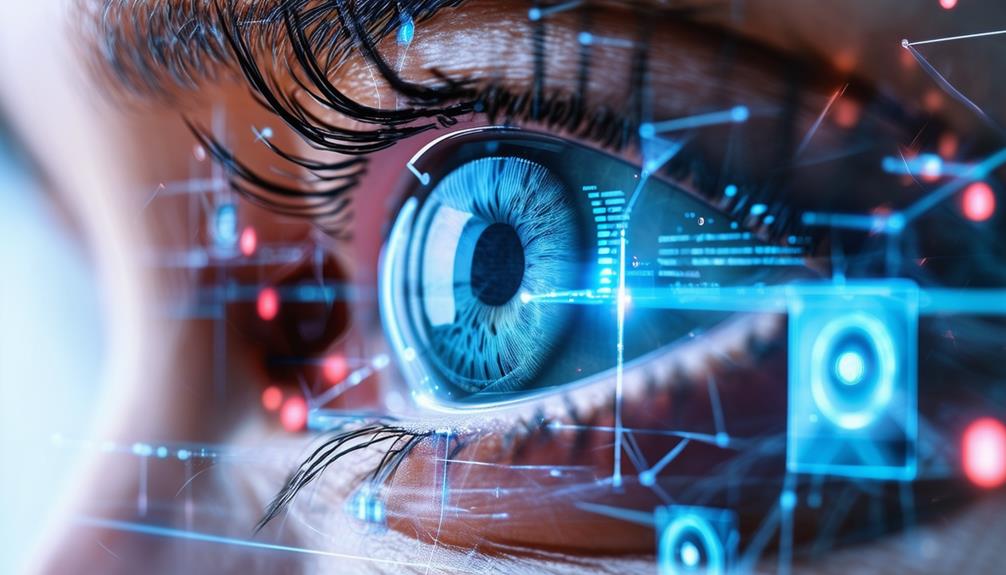
Computer vision is a branch of artificial intelligence focused on enabling computers to interpret and understand visual data, akin to human perception. The primary goal is to analyze and extract meaningful information from images and videos using specifically designed algorithms. You might encounter computer vision in everyday applications like facial recognition technology, which uses advanced algorithms to identify individuals.
Advancements in computer vision are largely driven by deep learning models, especially convolutional neural networks (CNNs). These specialized algorithms excel at processing visual data by mimicking the human brain's pattern recognition capabilities, significantly enhancing the accuracy and efficiency of image analysis.
Computer vision combines various AI techniques to replicate human visual perception, extending beyond facial or object recognition. Its applications range from automated retail management and healthcare diagnostics to enhancing security systems. By leveraging machine vision and deep learning, computer vision is transforming how visual data is utilized across multiple industries.
How Computer Vision Works
Computer vision leverages advanced algorithms and sensory devices like cameras to process visual data, identify patterns, and convert them into actionable insights. When an image is captured, computer vision starts with image processing, breaking down the visual data into pixels. Each pixel is meticulously analyzed to extract relevant information, forming the basis for interpreting the visual content and recognizing patterns.
Machine learning is integral to this process. By training algorithms on extensive datasets, computer vision systems learn to recognize and categorize objects, faces, and complex scenes. These algorithms enable sophisticated pattern recognition, allowing the system to make informed decisions based on visual data. For example, in facial recognition, the system identifies unique features in the image and matches them with stored data.
The decision-making in computer vision is powered by insights derived from this intensive analysis. Whether identifying tumors in medical imaging or recognizing pedestrians for autonomous driving, the interpretation of visual content must be precise and rapid. The goal is to enable computers to understand and interact with the world similarly to humans, making computer vision indispensable across various industries.
History and Research
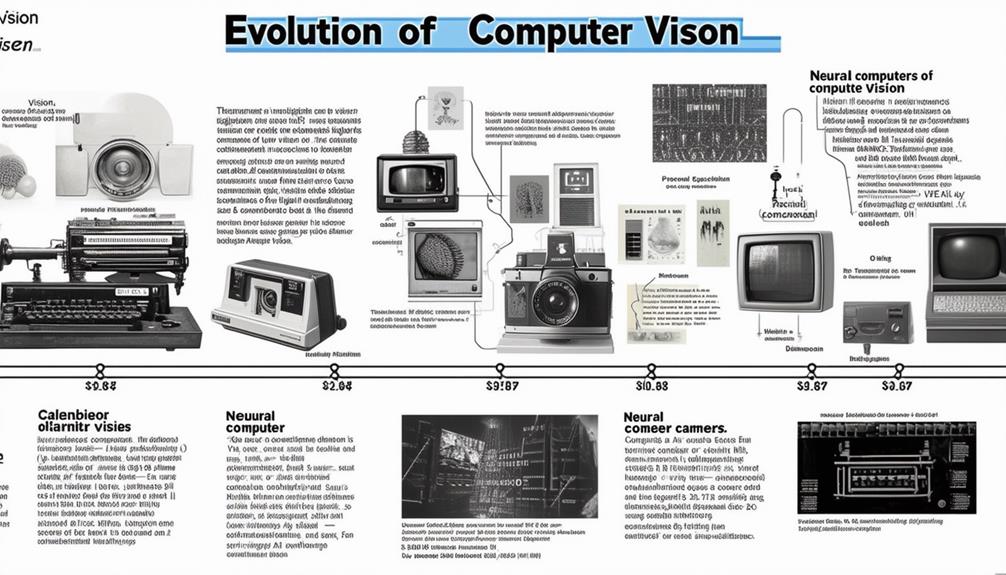
Computer vision, tracing its roots back over 60 years, has evolved significantly through groundbreaking research and technological advancements. Early milestones included the development of Optical Character Recognition (OCR) and basic shape detection algorithms. These foundational steps paved the way for more sophisticated techniques in object and face recognition, which are crucial for modern AI applications.
Initially, image scanning technology was rudimentary, but as computational power increased, so did the complexity and capability of computer vision systems. The advent of machine learning algorithms revolutionized the field, enabling computers to learn from visual data rather than relying on hard-coded rules. This paradigm shift was further accelerated by the introduction of Convolutional Neural Networks (CNNs), which excel at identifying patterns and features in images.
Deep learning techniques have become the cornerstone of modern computer vision, facilitating advanced object recognition and facial analysis. Training neural networks on vast datasets has enabled high accuracy in tasks such as automated image tagging and real-time video analysis. Practical implementations, like the collaboration between IBM and Verizon for vehicle defect identification, demonstrate the real-world applications of computer vision. As research continues, the potential for computer vision to transform various industries appears increasingly promising.
Applications
From healthcare to agriculture, computer vision is revolutionizing various industries by enhancing efficiency and precision. In the healthcare sector, computer vision is pivotal for medical imaging and early disease detection. Advanced algorithms can scrutinize scans to identify abnormalities, thereby aiding doctors in early and accurate diagnoses.
The automotive industry reaps immense benefits from computer vision, particularly in the development of self-driving cars. These vehicles depend on computer vision for object detection, recognizing obstacles, pedestrians, and other vehicles, which is essential for safe navigation and the advancement of fully autonomous vehicles.
Retail is another sector that gains significantly from computer vision, especially through image recognition and inventory management. By employing this technology, stores can monitor stock levels, detect theft, and tailor marketing strategies based on customer behavior. Enhanced inventory management ensures shelves are consistently stocked, thereby boosting customer satisfaction.
In the field of agriculture, computer vision is instrumental in crop monitoring and disease detection. Drones equipped with cameras can survey fields, identify unhealthy plants, and optimize farming practices, leading to improved yields.
The security and surveillance industries leverage computer vision to enhance monitoring systems. This technology is crucial for detecting suspicious activities and enabling timely interventions. By analyzing real-time footage, systems can alert authorities to potential threats, thereby increasing public safety.
Current Challenges
Computer vision faces significant challenges, including a shortage of specialists and the inherent complexity of mimicking human vision. One of the greatest challenges is finding enough qualified professionals with the expertise needed to advance the field. Without these specialists, progress in developing and refining technologies slows down significantly.
Regular monitoring is essential to maintain the accuracy and efficiency of computer vision systems. These systems must be continually updated and validated to ensure they function correctly across various scenarios. The difficulty of replicating human vision lies in the complexity of our brain processes, which are not yet fully understood. This makes it challenging to create machines that can see and interpret the world as humans do.
Scene comprehension is another critical hurdle. Visual environments are diverse and intricate, making it difficult for computer vision systems to understand and interpret them accurately. Additionally, privacy concerns are paramount. Ensuring compliance with laws, ethical guidelines, and public well-being is crucial when deploying computer vision technologies. These issues collectively highlight the multifaceted challenges faced by the field and underscore the need for continuous innovation and vigilance.
Conclusion
In understanding computer vision, you've explored how it interprets and processes visual data using advanced algorithms and deep learning techniques. You've delved into its rich history, transformative applications across various industries, and the current challenges it faces. Computer vision is not just a technological marvel; it is a gateway to future innovations in healthcare, automotive, retail, and agriculture. Embrace this knowledge, and you'll appreciate the profound impact computer vision has on our world.
Related posts