Austin’s Robotics Startups Revolutionizing Everyday Living
Austin's robotics startups are transforming daily life across multiple sectors. You'll find Moxi robots assisting healthcare staff in 200+ hospitals, while autonomous delivery pilots with Uber Eats partners use compact sidewalk robots to bring orders to your doorstep.
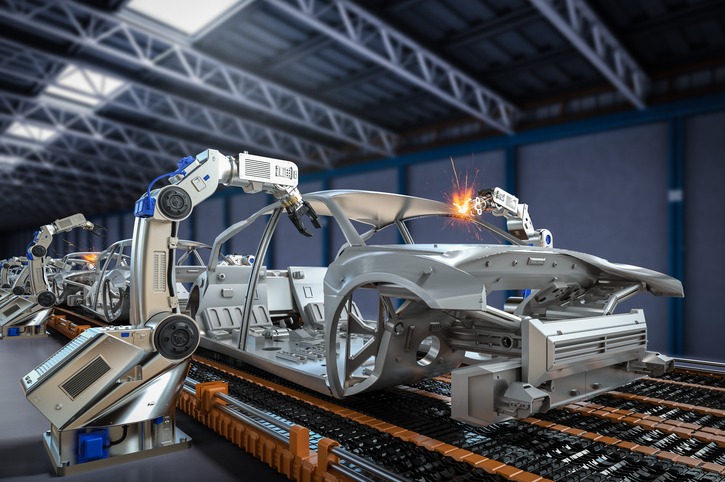
Local companies are developing cobots that handle physically demanding work, letting humans focus on higher-value tasks. Apptronik’s Apollo humanoid platform, Tesla’s Gigafactory, and Samsung’s advanced chip facility in nearby Taylor together showcase how Greater Austin has become a center for smart manufacturing innovation.
Austin's Rising Position as a Robotics Innovation Hub
While Silicon Valley has long dominated the tech landscape, Austin has rapidly emerged as one of America’s most dynamic robotics hubs. You'll find a thriving ecosystem where major employers invest in AI, hardware, and advanced automation alongside a growing startup scene.
The city’s tech workforce now represents one of the highest shares of total employment in the U.S., outpacing national averages. This growth is fueled by close collaboration between UT Austin’s Texas Robotics programs and local startups. Competitive compensation packages and quality of life make Austin increasingly attractive to top robotics talent.
The university’s Texas Robotics community is widely regarded for impactful research, with regular contributions to leading conferences such as IEEE ICRA.
Municipal pilot programs and industry partnerships help move innovations from research labs to market applications. With Texas ranking among the top states for advanced manufacturing and automation jobs, you're witnessing the rise of a significant technology center.
Healthcare Revolution: How Local Startups Are Transforming Patient Care
Dozens of Austin-area robotics startups are improving healthcare delivery across Texas and beyond. Diligent Robotics’ Moxi now serves in more than two hundred hospitals, taking on non-patient tasks so nurses can focus on what matters most—your care. Founded in 2017, Diligent has become a leader in healthcare automation by building AI-powered assistants designed for hospital workflows.
Meanwhile, Harmonic Bionics advances physical therapy with robotic systems that make rehabilitation more precise and accessible.
These innovations are changing healthcare in four remarkable ways:
- Autonomous robots traversing hospital hallways, delivering medications and supplies
- Smart rehabilitation devices guiding precise movements for faster patient recovery
- AI-assisted staffing and logistics tools supporting clinical teams when and where needed
- Disinfection and environmental-services robots reducing pathogen exposure in care settings
Digital patient-monitoring systems complement these robotic solutions, creating a more integrated, efficient, and patient-centered approach to care.
The Future of Delivery: Autonomous Solutions Reshaping Austin's Streets
Beyond hospital corridors, Austin’s robotics push now reaches city streets. You’ll notice small delivery robots operating in limited pilot zones—including downtown areas and near campuses—fulfilling app-based orders with 360-degree sensing for safety.
Initial restaurant partners are concentrated near test routes, with participation expected to expand as results and regulations evolve.
As policy frameworks mature, Austin is positioning itself as a proving ground for autonomous delivery technology. Public reception is cautiously positive, with many customers tracking their deliveries live via mobile apps.
Pilot pricing remains experimental, and competing models continue to test what works best for both diners and merchants.
Human-Robot Collaboration: Augmenting Workforce Capabilities
As Austin’s industrial landscape evolves, collaborative robots—or cobots—are transforming workplaces across the region. You’ll find these technological partners increasingly integrated into manufacturing, logistics, and warehousing operations, where they ease labor bottlenecks while boosting productivity.
Human-robot integration creates powerful synergies by:
- Lifting heavy components while humans handle precision assembly
- Scanning inventory as workers focus on customer interactions
- Performing repetitive tasks while employees make critical decisions
- Transporting materials across facilities while staff manages operations
Worker reskilling programs have become essential as these collaborations reshape job requirements. With cobots handling physically demanding work, you're freed to develop higher-value skills. This shift represents not job replacement but job transformation—where judgment and adaptability combine with robotic consistency to create safer, more efficient workplaces.
Leading studies forecast that machines will take on a growing share of routine tasks over this decade, accelerating the need for robust collaboration strategies.
Smart Manufacturing and Logistics: The Economic Engine Behind Austin's Tech Boom
Nearly every facet of Austin's manufacturing landscape is being upgraded through robotics and automation. You'll find this transformation powering the region's growth, with Texas standing among national leaders in manufacturing output.
Companies like Tesla’s Gigafactory (employing tens of thousands) and Samsung’s multi-billion-dollar semiconductor campus in Taylor highlight Greater Austin’s global competitiveness in high-tech production. The integration of AI, data analytics, and smart machinery has created an ecosystem where predictive maintenance and real-time supply-chain visibility are standard. Many regional manufacturers are implementing energy-efficient systems to meet sustainability goals while cutting operating costs.
This shift demands sophisticated workforce training, which groups such as the Austin Regional Manufacturers Association actively support. The region’s position along the I-35 corridor further enhances its appeal for reshoring, as businesses shorten supply chains and tap Austin’s abundant engineering talent.
Funding the Future: How Venture Capital Fuels Robotics Growth in Texas
The innovation transforming Austin’s factories and supply chains depends on strong financial backing. Specialized hardware-savvy venture firms and corporate venture groups are directing capital toward robotics companies across Texas.
You’ll find investment strategies evolving as Austin’s ecosystem matures:
- Investors seek clear commercial validation before larger seed and Series A rounds
- Sector-focused VCs provide hands-on expertise for complex hardware timelines
- Portfolio support tools help startups allocate capital efficiently post-raise
- VC networks accelerate pilots and customer access through strategic partnerships
Even with venture markets normalizing from 2021–2022 peaks, categories like robotics, AI, greentech, and digital health continue to attract significant funding in the region.
Environmental and Social Impact of Austin's Robotics Ecosystem
Beyond technology and capital, Austin’s robotics surge delivers meaningful environmental and social benefits. Inspection and field-service robots—many drawing on research from UT Austin’s Nuclear & Applied Robotics Group—reduce human exposure to hazardous environments while cutting fuel use and emissions across inspection cycles.
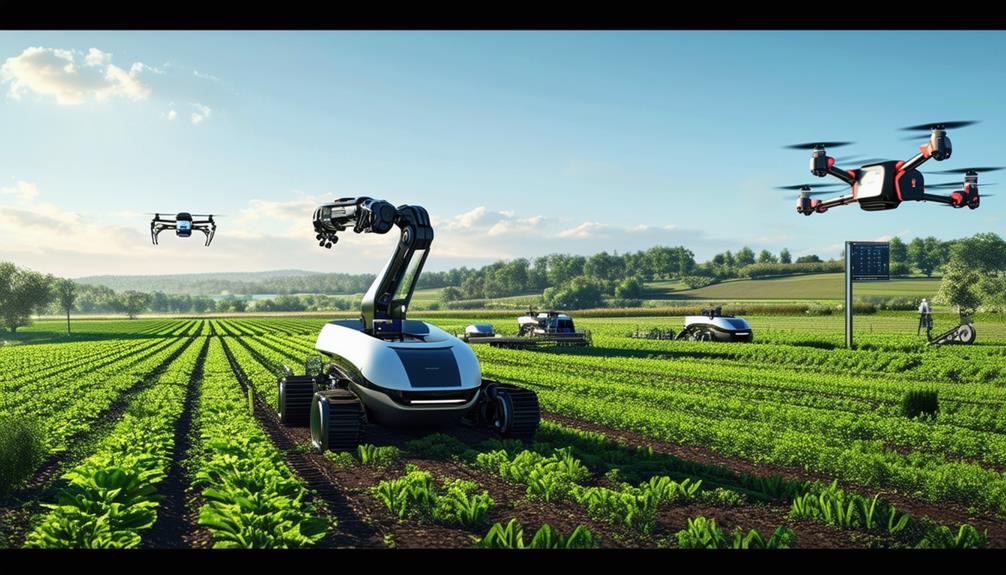
In agriculture, local teams deploy autonomous tools for precision farming, reducing chemical runoff and water waste. These advances complement sustainable mobility initiatives that reshape how you move through the city.
The social impact is equally significant. By removing people from dangerous tasks, robotics firms create safer workplaces and shift roles toward supervision, maintenance, and data analysis. Disaster-response and public-safety robots extend these benefits beyond industry, protecting communities and the environment during emergencies.
Related posts