AI-Powered Mental Health Solutions: Chatbots and Virtual Therapists

AI is revolutionizing healthcare, including mental health. Chatbots and virtual therapists offer immediate, personalized support, reducing the stigma often associated with seeking help. Available 24/7, they ensure access to care at any time. However, how do these AI-driven solutions compare to traditional therapy, and what challenges do they face in gaining widespread acceptance?
The Rise of AI Therapists
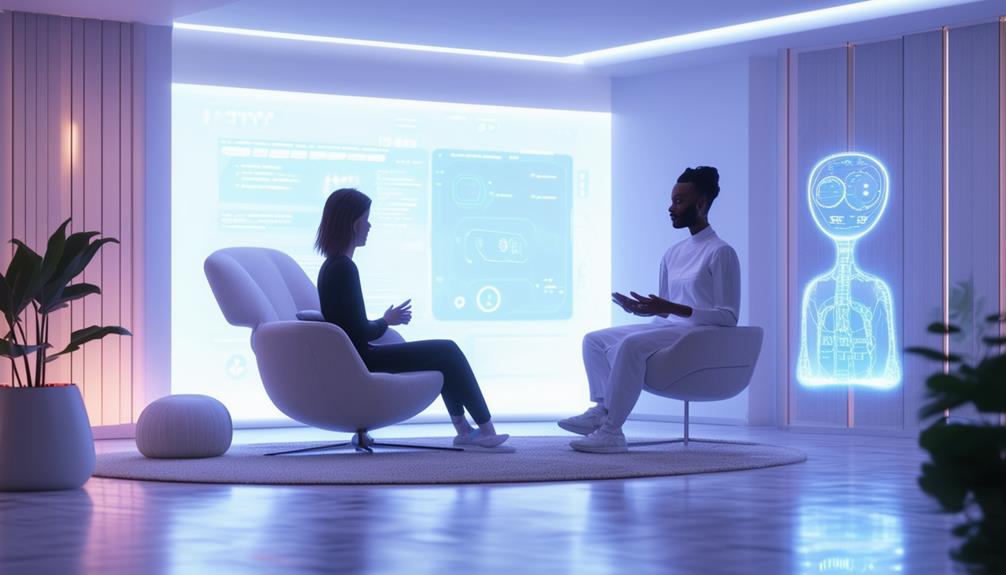
AI therapists are transforming mental health care by offering personalized support through interactive chatbot platforms like Woebot and Tess. These AI-driven solutions provide immediate assistance during crises, ensuring 24/7 availability. The chatbots simulate empathetic human interactions, encouraging users to seek help and engage in meaningful mental health discussions.
With AI therapists, users benefit from the convenience of accessing mental healthcare anytime, anywhere. These virtual therapists complement traditional therapeutic methods, making mental health support more accessible to a broader audience. Whether dealing with stress, anxiety, or depression, these chatbots deliver personalized and timely responses tailored to individual needs.
The integration of AI in mental healthcare is a significant advancement. Technology now plays a crucial role in addressing the global mental health crisis by offering scalable and efficient solutions. AI therapists like Woebot and Tess are leading this movement, demonstrating how technology can bridge gaps in mental health services and reach individuals who might otherwise lack support. Embracing these innovations is a proactive step towards better mental health.
Benefits of AI in Mental Health
Imagine having mental health support available 24/7, tailored precisely to your needs. AI-powered tools provide this personalized assistance, ensuring you receive the appropriate help exactly when required. These innovative solutions break down barriers, offering care that is accessible, stigma-free, and reliable.
24/7 Accessibility
With AI chatbots and digital therapy tools, mental health support becomes more accessible and convenient than ever before. These technologies bridge gaps left by traditional therapy and offer effective solutions for diverse populations. By integrating AI into health systems, we're expanding access to mental health treatment, ensuring more people get the help they need.
AI tools offer several key benefits:
- Accessibility and Convenience: AI chatbots are available 24/7, removing barriers like geographical limitations and scheduling conflicts.
- Stigma-Free Support: AI chatbots provide a judgment-free environment, encouraging help-seeking behavior, especially for those hesitant to seek traditional therapy.
- Inclusive Support: These tools cater to various demographic groups, making mental health support more inclusive and culturally sensitive.
Personalized Support
Personalized support in mental health leverages AI to tailor interventions to your unique needs, enhancing the effectiveness and accessibility of care. Through AI, virtual therapists can offer customized cognitive-behavioral therapy (CBT) that aligns specifically with your circumstances, aiding in more effective mental health management. These tools analyze your data, monitor your progress, and provide reminders for self-care activities, ensuring timely and relevant support.
AI chatbots and virtual therapists present a cost-effective, 24/7 alternative to traditional therapy, offering immediate assistance crucial for addressing the global mental health crisis. By delivering personalized support, these AI solutions enhance treatment outcomes and broaden access to mental health care.
| Benefit | Description |
|---|---|
| Tailored Interventions | AI personalizes CBT to meet your unique needs. |
| 24/7 Availability | Virtual therapists provide round-the-clock support. |
| Cost-Effective | AI solutions offer an affordable therapy alternative. |
This approach ensures that mental health care is both personalized and accessible, making it a reliable option for those in need.
Early Intervention and Access

AI chatbots provide immediate mental health support, significantly reducing barriers to access. These tools quickly connect users to appropriate resources, ensuring timely intervention. By integrating AI with traditional therapy, users can achieve better treatment outcomes and receive continuous support.
Immediate Support Availability
AI-powered mental health chatbots like Woebot provide immediate support when individuals need it most, available 24/7 to ensure timely assistance crucial for early intervention. Quick access to mental health resources can significantly impact outcomes, and AI chatbots ensure you're never alone, offering someone to talk to at any hour.
Here's how AI chatbots enhance immediate support availability:
- 24/7 Accessibility: Engage with AI chatbots anytime, ensuring timely assistance within the critical window for mental health treatment.
- Data-Driven Responses: These tools analyze symptoms and match users with appropriate treatments, streamlining the early intervention process.
- Stigma-Free Interaction: Chatbots provide a safe, anonymous way to seek help, improving engagement and treatment responses for various mental health conditions.
Reducing Access Barriers
AI chatbots play a crucial role in enhancing access to mental health care by offering immediate, round-the-clock support. When facing mental health challenges, waiting for help can be detrimental. AI chatbots provide instant assistance, ensuring timely interventions that can significantly improve treatment outcomes.
These AI-powered solutions are available 24/7, eliminating the need to wait for scheduled appointments and bridging gaps in traditional care models. By offering personalized interventions tailored to individual needs, AI tools have been shown to enhance treatment efficacy.
For those dealing with chronic mental health conditions, the timely and customized support provided by AI chatbots can be transformative. These tools are designed to address unique situations, offering targeted assistance that can significantly enhance the mental health care experience. By ensuring prompt and effective support, AI chatbots make mental health services more inclusive and accessible, thereby reducing barriers to care.
Personalized Treatment Models
Personalized treatment models for mental health leverage data analytics and AI to create more effective and tailored therapy approaches. These models adapt to your unique preferences and needs, enhancing user engagement and treatment adherence.
Key methods of personalized treatment models include:
- Data Analytics: AI systems collect and analyze extensive data on your behavior, preferences, and responses. This data-driven approach enables the customization of therapy to suit your individual requirements.
- Customized Therapy Approaches: By understanding your specific needs, AI can recommend the most suitable therapy methods, such as cognitive-behavioral techniques or mindfulness practices.
- Real-Time Adjustments: AI continuously analyzes ongoing data to make real-time adjustments to your treatment plan, ensuring it remains effective and relevant as your situation evolves.
These personalized treatment models significantly enhance the effectiveness of therapy by focusing on what works best for you. This ensures higher engagement and adherence to the treatment plan, ultimately leading to improved mental health outcomes.
Challenges and Ethical Concerns

While AI has the potential to revolutionize mental health care, it also introduces significant challenges and ethical concerns. One major issue is the potential lack of empathy in AI chatbots. Human connection is vital in therapy, and virtual therapists might not fully replicate this aspect, raising questions about their effectiveness.
Regulatory challenges also loom large. Ensuring that AI chatbots comply with legal standards akin to licensed therapists is complex. This underscores the need for ethical considerations in their development to balance innovation with caution. Privacy remains another critical concern. Platforms like Woebot prioritize user privacy by anonymizing data and adhering to HIPAA rules, but ongoing vigilance is necessary to maintain these standards.
Bias in AI-powered diagnosis is another significant issue. AI systems must undergo rigorous testing on diverse populations to minimize discrimination and ensure fair treatment for all users. Ethical implementation of AI in mental healthcare demands continuous oversight to address these biases. By addressing these challenges head-on, we can harness AI's potential while safeguarding the essential human elements and ethical standards in mental health care.
Case Studies and Success Stories
Despite the challenges and ethical concerns, real-world applications of AI-powered mental health solutions have already shown promising results. Various case studies highlight the significant impact of mental health chatbots and virtual therapists.
- MayaMD's AI-Powered Telehealth Platform: Developed by Daffodil Software, this platform provides virtual therapy and mental health support. Users report improved mental well-being due to its comprehensive and accessible care.
- Woebot and Tess: These AI therapists offer personalized emotional support and immediate assistance during crises. Users appreciate the 24/7 availability and customized interactions that effectively manage stress and anxiety.
- Wearable AI Devices: Devices like the Apple Watch and Fitbit use AI to monitor heart rate and sleep patterns, enabling proactive mental health care. They utilize predictive analysis to detect early signs of mental health issues, allowing for timely interventions.
Additionally, Biobeat's wearable AI technology assesses body metrics and emotions, facilitating early detection of mental health problems. This predictive capability is crucial for preventing issues from escalating.
These success stories demonstrate how AI is transforming mental health care by providing accessible, effective, and timely support through AI-powered chatbots and virtual therapists.
Impact on Mental Health Practitioners
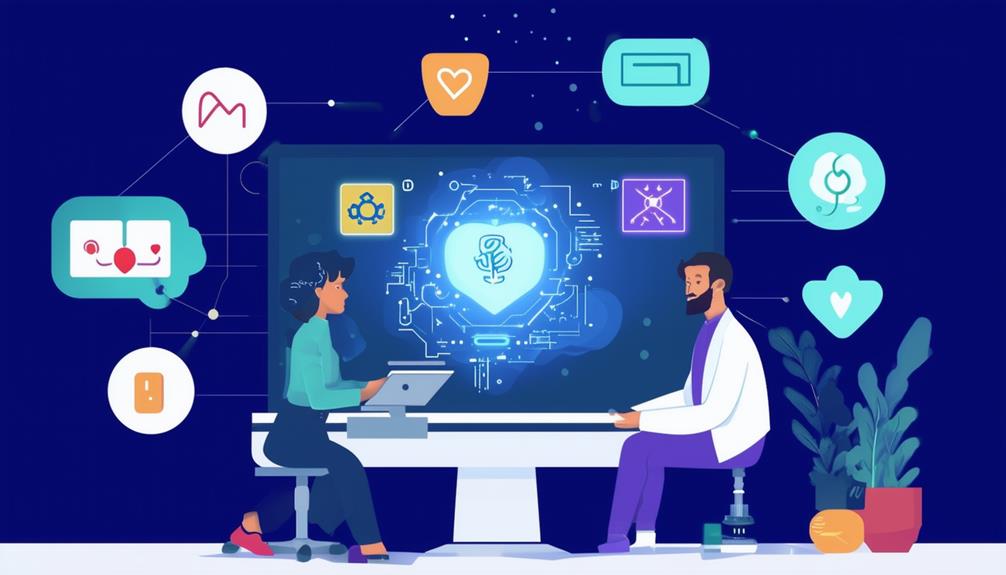
AI-powered mental health solutions, such as chatbots and virtual therapists, significantly reduce the workload for mental health practitioners by allowing them to concentrate on more complex cases. These technologies provide continuous support to patients, ensuring timely and personalized care. As a result, mental health practitioners can allocate their expertise to cases requiring deeper, more nuanced intervention.
Additionally, chatbots and virtual therapists play a crucial role in early intervention by identifying at-risk individuals through regular interactions and alerting practitioners before a crisis escalates. This proactive approach helps prevent severe mental health issues and streamlines the treatment process.
The 24/7 accessibility of AI-powered mental health solutions ensures that patients receive immediate responses, reducing the overall burden on mental health practitioners. By handling routine queries and providing initial assessments, these tools enhance efficiency and effectiveness, enabling practitioners to manage a larger patient population and improve overall mental health care delivery.
Incorporating AI technologies complements traditional therapy, allowing practitioners to focus on delivering high-quality care. Ultimately, AI-powered mental health solutions are transforming the landscape, making the work of mental health practitioners more manageable and impactful.
Future of AI in Mental Health
The future of AI in mental health is set to transform care delivery by leveraging advanced technologies such as natural language processing and predictive analytics. Imagine a world where AI models can anticipate your mental health needs before you even recognize them. This is not science fiction; it is becoming a reality. By 2027, AI in mental health is projected to grow into a $6.6 billion industry, enabling chatbots and virtual therapists to provide scalable and accessible support worldwide.
The benefits are numerous and substantial:
- Early Detection: Predictive analytics will enable AI to detect mental health issues early, allowing for tailored interventions.
- Personalized Care: Generative AI and natural language processing will empower chatbots to deliver personalized, immediate mental health support.
- Ethical and Effective Solutions: Ensuring data privacy and mitigating bias will be crucial for the development of ethical and effective AI solutions.
The World Health Organization highlights the global shortage of mental health professionals. AI can help bridge this gap by offering scalable solutions while addressing ethical concerns. As AI continues to advance, mental health care will become more proactive, personalized, and accessible than ever before.
Conclusion
AI-powered mental health solutions are transforming access to care and delivering personalized support through chatbots and virtual therapists. These technologies offer immediate, stigma-free assistance at any time. While challenges and ethical concerns exist, the potential of AI in mental health is promising. Embrace these innovations to enhance your mental well-being and benefit from continuous, tailored care. The future of mental health support is here, making it more accessible than ever.
Related posts