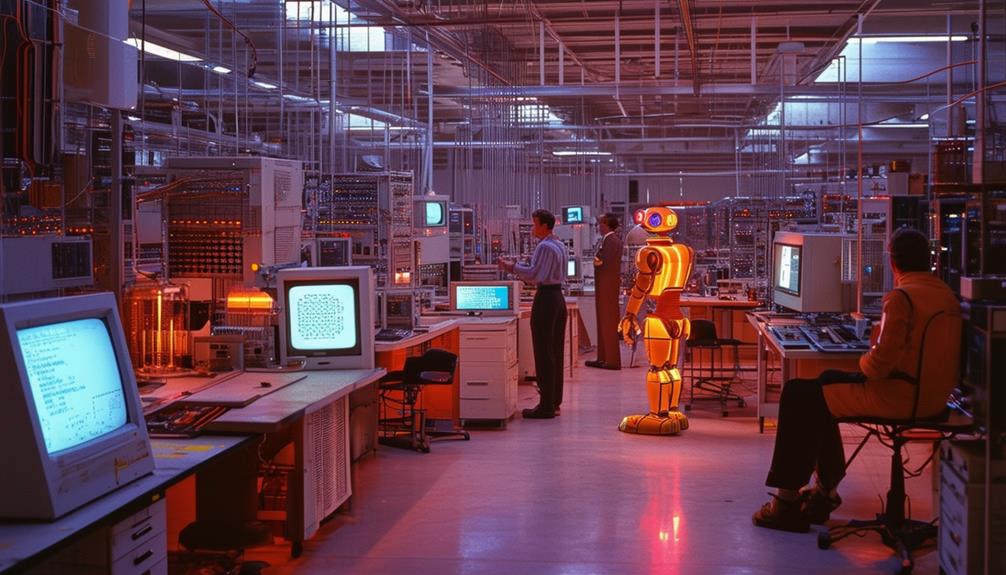
AI in Everyday Life: From Smart Homes to Autonomous Vehicles
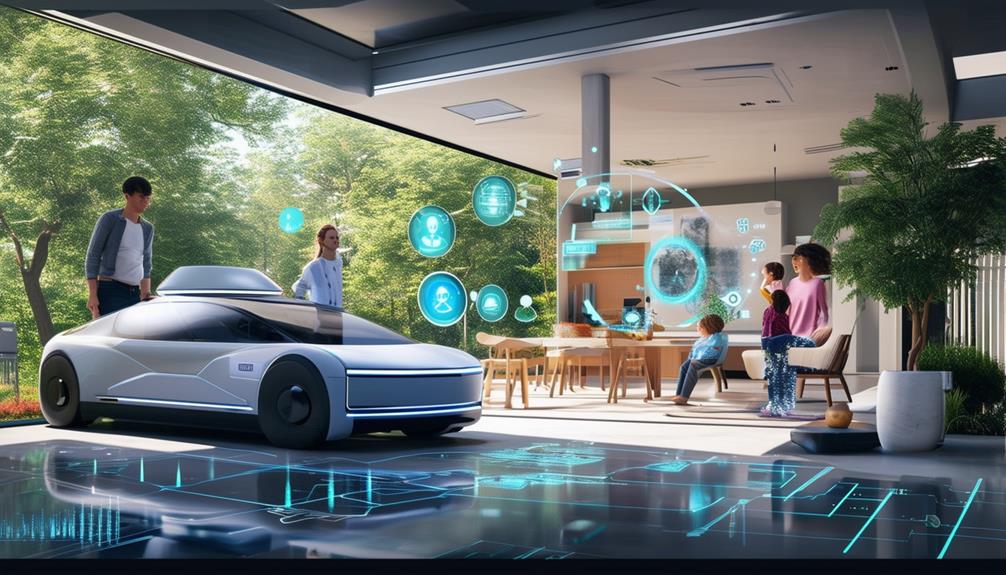
Imagine walking into your home, and the lights automatically adjust to your preferred setting, the thermostat sets itself to the ideal temperature, and your favorite music starts playing—all without lifting a finger. Now, picture getting into a car that drives itself, smoothly navigating through traffic while you relax or catch up on work. These scenarios illustrate how AI is transforming everyday life, enhancing convenience and efficiency. But how do these technologies work, and what other areas of your life are being quietly revolutionized by AI?
Smart Home Innovations

Smart home innovations, often powered by AI, significantly enhance daily convenience and security. Imagine a home that adjusts itself to your preferences upon waking. AI-driven devices, like smart thermostats, optimize energy efficiency by adapting to your habits and occupancy patterns. With simple voice commands, you can control lighting, temperature, and even your morning coffee.
Home automation systems elevate convenience by integrating various functions into a cohesive unit. Smart assistants, such as Amazon Alexa or Google Assistant, enable you to manage multiple devices through voice commands, creating personalized experiences. AI also boosts security measures. Facial recognition technology can identify family members and distinguish them from potential intruders, while motion sensors alert you to unusual activity. These AI-powered security systems provide enhanced peace of mind and safety.
Autonomous features in smart homes streamline daily tasks, making life easier and more efficient. Interconnected IoT devices work seamlessly together, ensuring your home adapts to your needs, delivering both comfort and security. Embrace these innovations to transform your living space into a smarter, safer haven.
Autonomous Vehicles
Autonomous vehicles, driven by advanced AI, are set to transform the way we travel and commute. Envision a future where self-driving cars navigate busy streets, reducing traffic congestion and improving road safety. Leading companies such as Tesla and Waymo are pioneering this change, investing significantly in the development of autonomous transportation systems. These vehicles utilize sophisticated AI systems, integrating sensors, cameras, and machine learning algorithms to make real-time decisions.
Consider the potential impact:
- Safer Roads: Fewer accidents due to AI's precision and rapid response times.
- Reduced Traffic: AI-optimized routes can alleviate congestion.
- Enhanced Mobility: Increased access for individuals unable to drive, such as the elderly and disabled.
- Environmental Benefits: More efficient driving patterns can decrease emissions.
Despite these promising advantages, challenges persist. Regulatory issues, technical constraints, and public skepticism are substantial obstacles to the widespread adoption of autonomous vehicles. Nonetheless, the future of AI in transportation is promising. Ongoing advancements in AI technology and AI-powered systems are leading the way. The development of autonomous vehicles represents not just progress in travel but a leap towards a smarter, more connected world.
AI in Healthcare

In healthcare, AI is transforming patient care through predictive health analytics and advancements in robotic surgery. These technologies enable early disease detection and the development of personalized treatment plans using sophisticated algorithms. Additionally, robotic surgery enhances precision and shortens recovery times, contributing to an improved overall healthcare experience.
Predictive Health Analytics
Predictive health analytics leverages AI to identify hidden patterns in medical data, allowing healthcare professionals to predict potential health issues before they manifest. By employing machine learning algorithms, vast amounts of patient data can be analyzed to detect early health risks. This proactive methodology facilitates the creation of personalized treatment plans, ensuring care is tailored to individual needs.
Incorporating predictive health analytics into healthcare offers several benefits:
- Accurate Diagnoses: Machine learning algorithms enable more precise identification of medical conditions.
- Personalized Health Recommendations: AI-driven insights guide lifestyle and treatment decisions based on your unique health profile.
- Optimized Treatment Plans: Custom-tailored regimens enhance treatment effectiveness and improve patient outcomes.
- Peace of Mind: Awareness of potential health risks empowers you to take proactive measures for your well-being.
Predictive health analytics revolutionizes patient care by providing healthcare professionals with data-driven tools for making informed decisions. This results in more accurate diagnoses and personalized health recommendations, enhancing treatment plans comprehensively. Ultimately, these advancements lead to better patient outcomes, supporting a healthier and more informed life. Embrace the future of healthcare with AI-driven predictive health analytics and take control of your health journey.
Robotic Surgery Advancements
Robotic surgery advancements, driven by artificial intelligence (AI), are revolutionizing the precision and accuracy of modern surgical procedures. Systems like the da Vinci Surgical System utilize AI algorithms to provide real-time guidance, allowing surgeons to perform intricate operations with enhanced precision and significantly lower the likelihood of human errors.
In the operating room, AI integration enables surgeons to leverage real-time data analysis and insights. This facilitates better decision-making during surgeries, leading to improved patient outcomes. Imagine undergoing a procedure with minimized risk of complications, thanks to AI-assisted robotic surgery.
The convergence of AI technology and healthcare innovation extends beyond advanced tools; it aims to create safer and more effective surgical experiences for patients. AI's ability to quickly analyze vast datasets aids surgeons in navigating complex procedures more efficiently, boosting surgical precision and reducing patient recovery times.
Financial Services
AI is transforming financial services by enhancing fraud detection, providing 24/7 customer support, and delivering personalized financial advice. AI-driven automation analyzes vast datasets to identify suspicious patterns, making fraud detection more accurate and efficient. Chatbots now offer round-the-clock customer service, significantly improving response times and customer satisfaction.
AI's ability to provide personalized recommendations means your spending habits and investment preferences are meticulously analyzed to offer tailored financial advice. Predictive analytics leverage AI to forecast market trends, helping you optimize your investment decisions for better returns.
Key ways AI is transforming financial services include:
- Enhanced Security: AI-driven fraud detection capabilities keep your accounts safer.
- 24/7 Support: Chatbots ensure you receive immediate assistance at any time.
- Tailored Advice: Personalized recommendations based on your unique financial profile.
- Improved Investment Outcomes: Predictive analytics guide your investment decisions, maximizing returns.
Additionally, AI-driven automation streamlines administrative tasks, allowing financial institutions to focus more on delivering superior customer service. In a rapidly changing market, AI equips you with the tools needed to stay ahead.
Education and Learning
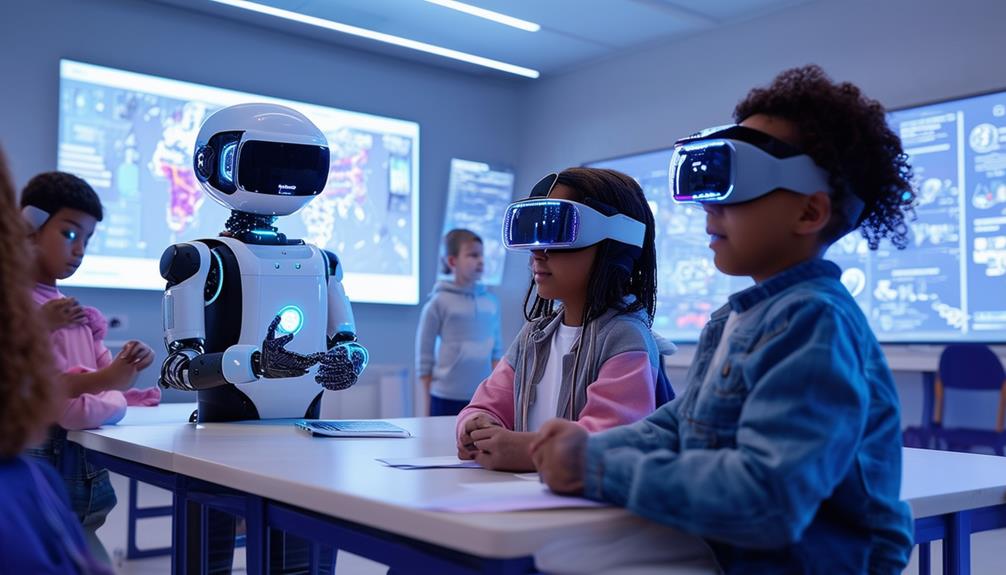
Imagine a classroom where lessons are customized for you, and virtual tutors assist you in understanding complex concepts at your own pace. AI personalizes learning experiences, providing the support you need based on your unique learning style. This technology not only boosts your engagement but also enhances your comprehension and performance.
Personalized Learning Experiences
In today's classrooms, personalized learning experiences are transforming student engagement with education. AI in education offers tailored lessons that cater to individual learning styles, ensuring each student follows a unique path to success. By analyzing student data, AI facilitates self-paced learning, allowing students to progress at their own speed. This approach not only enhances student engagement but also meets diverse learning needs effectively.
Consider the following benefits:
- Enhanced Motivation: Students feel more in control of their learning journey.
- Improved Understanding: Customized AI tutoring targets specific areas of difficulty.
- Increased Confidence: Self-paced learning alleviates pressure and anxiety.
- Better Performance: Personalized lessons significantly improve learning outcomes.
AI's ability to analyze vast amounts of student data ensures that lessons are continually refined to suit each learner. This customized AI tutoring provides timely support, streamlining the teaching process and fostering a more engaging and effective educational environment. Ultimately, AI in education aims to make learning more accessible and impactful, ensuring every student has the opportunity to thrive.
Virtual Tutors' Impact
Virtual tutors are revolutionizing education by providing personalized support and real-time feedback tailored to each student's unique learning journey. AI virtual tutors offer a customized learning experience that aligns with your individual needs and learning style. These tutors employ adaptive learning paths to ensure you progress at your own pace, thereby enhancing your engagement and understanding of the material.
AI algorithms are crucial in identifying your strengths and weaknesses, enabling virtual tutors to concentrate on areas where you need the most assistance. This targeted approach results in more effective learning outcomes and helps you improve specific skills more efficiently. Real-time feedback from these AI-powered tutors keeps you informed about your progress, motivating you to stay on track and make continuous improvements.
The advantage of AI virtual tutors lies in their ability to offer self-paced learning, allowing you to study whenever and wherever it is convenient for you. These tutoring services are designed to adapt to your evolving needs, ensuring that the support you receive remains relevant and effective. Consequently, your academic progress is closely monitored and optimized to help you achieve the best possible educational outcomes.
Environmental Conservation
AI-based sensors have become indispensable in predicting and preventing ecological threats, significantly enhancing environmental conservation efforts. These advanced technologies offer substantial benefits for monitoring wildlife populations and preventing activities like poaching. By gathering real-time data, they enable timely and effective measures to maintain ecological balance.
Consider the impact of AI in environmental conservation through:
- Saving Endangered Species: AI helps track and protect wildlife populations from poachers and other threats.
- Early Detection of Forest Fires: AI sensors identify fire risks before they escalate, safeguarding habitats and human lives.
- Reducing Pollution: AI analyzes data to suggest actions that decrease pollution levels, ensuring cleaner air and water.
- Combating Climate Change: AI supports initiatives to reduce carbon footprints, fostering a healthier planet for future generations.
AI's capacity to deliver real-time data on environmental changes and animal behaviors ensures timely and effective conservation efforts. By identifying early indicators of ecological issues, AI sensors enable proactive measures. Data analysis from these sensors suggests corrective actions, thereby enhancing environmental protection efforts. Embrace AI technologies in environmental conservation to safeguard our planet and its diverse ecosystems.
Conclusion
You're living in a world where AI enhances everyday life, making it simpler and more efficient. From smart homes that adjust to your preferences to autonomous vehicles that ensure safer commutes, AI's impact is both broad and profound. It is also transforming healthcare, financial services, education, and environmental conservation. Embrace these advancements, as they are designed to improve your daily experiences and foster a more efficient future. AI is not just technology—it's a reliable partner in your day-to-day life.
Related posts