
Advancements in Warehouse Automation: Meeting the Surge in Online Shopping
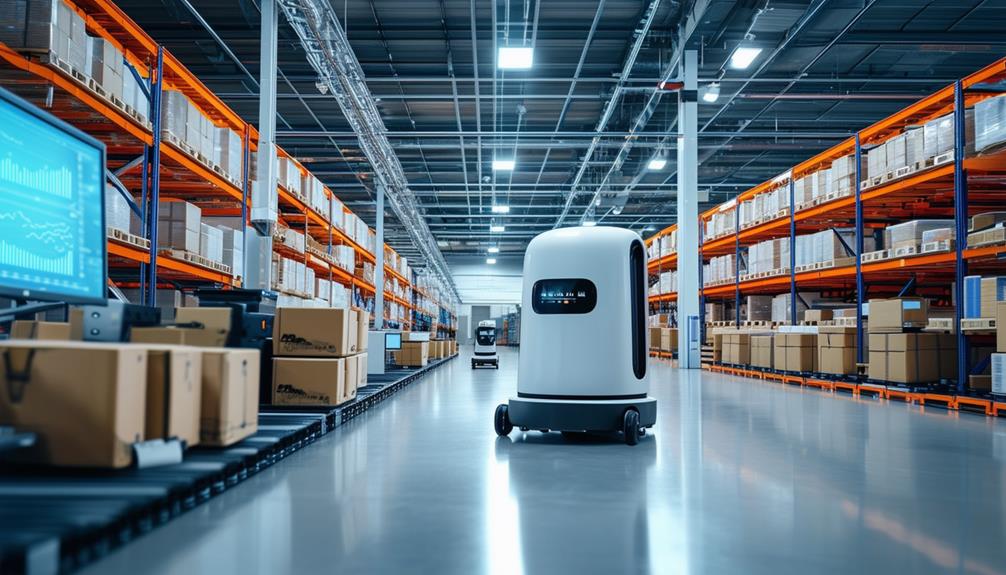
As online shopping continues to grow, advancements in warehouse automation have become crucial. Technologies like robotics and AI are not only improving efficiency but also enhancing accuracy in inventory management. These innovations are fundamentally transforming order fulfillment processes and significantly reducing labor costs. While automated warehouses offer numerous benefits, they also present challenges, particularly as e-commerce expands. The future of retail will be shaped by these developments. What factors are driving these changes, and what can we expect moving forward?
E-commerce Growth and Warehouse Automation
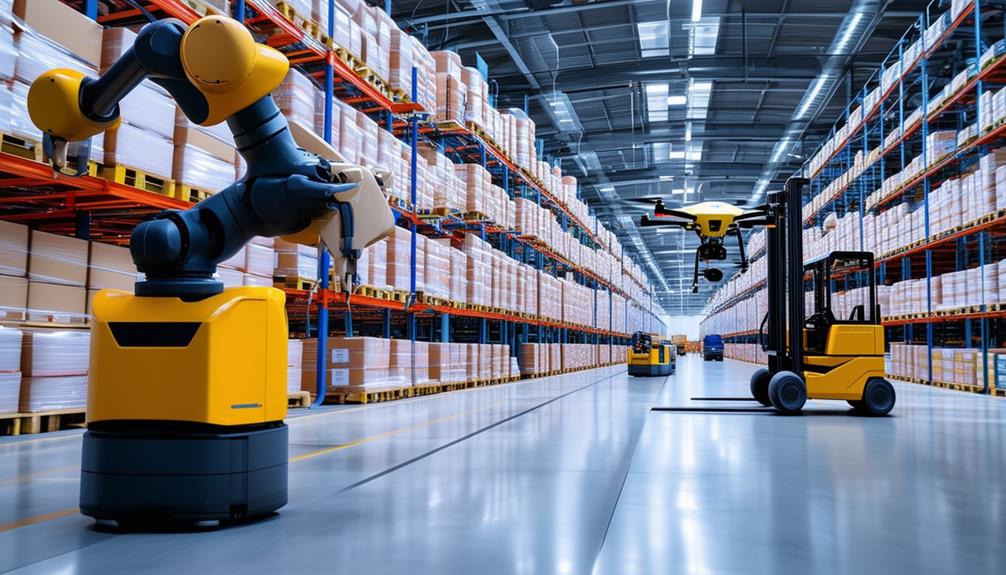
How has the explosive growth of e-commerce driven the evolution of warehouse automation? The surge in online shopping has significantly increased the demand for efficient warehouse automation solutions. As more consumers shift to online shopping, businesses face mounting pressure to manage order fulfillment quickly and accurately. This rapid e-commerce growth has necessitated the integration of advanced automation technologies to maintain operational efficiency.
Technological advancements have revolutionized supply chain management. Automated systems now handle a variety of tasks, from sorting and packing to real-time inventory tracking. This shift not only enhances efficiency but also ensures that warehouses can meet the quick delivery expectations set by online shoppers. Companies adopting these technologies can meet the rising demands of the e-commerce industry, enabling them to process more orders in less time.
The market value of warehouse automation technology has seen a significant 13.7% Compound Annual Growth Rate (CAGR) since 2020. This growth underscores the critical role of automation in enhancing operational efficiency. By streamlining supply chain management and improving order fulfillment processes, warehouse automation has become essential in the fast-paced e-commerce landscape.
Key Technologies in Warehouse Automation
Modern warehouses are increasingly equipped with advanced technologies that revolutionize logistics. Key innovations such as robotics, AI integration, autonomous mobile robots, and smart inventory management systems are significantly enhancing efficiency and adaptability. Let's explore how these technologies are driving change in today's warehouses.
Robotics and AI Integration
Integrating robotics and AI into warehouse automation revolutionizes operations by leveraging real-time data analytics and predictive maintenance. This integration significantly reduces downtime and enhances operational efficiency. Advanced robotics equipped with robust safety features elevate safety standards, minimize human errors, and ensure higher accuracy in daily tasks.
AI technologies provide critical insights into inventory management, streamlining processes and reducing costs. Machine learning algorithms can analyze patterns to predict future inventory needs, making demand forecasting more precise. This optimization helps maintain appropriate inventory levels, ensuring that customer demands are met without overstocking or understocking.
AI-driven advancements in voice and multimodal communications further enhance operational efficiency by improving team communication, streamlining workflows, and reducing misunderstandings. Predictive maintenance, enabled by AI, keeps equipment in optimal condition, preventing unexpected breakdowns and costly downtime.
Incorporating these advanced technologies not only boosts operational efficiency but also ensures that your warehouse can handle the increasing demands of online shopping. By staying ahead of technological advancements, you position your warehouse to be more resilient, responsive, and prepared for future challenges.
Autonomous Mobile Robots
Autonomous Mobile Robots (AMRs) are revolutionizing warehouse automation by navigating environments independently, thereby enhancing efficiency and reducing labor costs. Utilizing advanced sensors and AI, these robots can traverse complex warehouse layouts without human intervention. As a result, AMRs elevate operational efficiency and significantly cut down on manual labor expenses.
AMRs are multifaceted, capable of performing tasks such as transporting goods and picking orders, which dramatically increase the speed and accuracy of order fulfillment. Operating continuously, they eliminate downtime, leading to substantial productivity gains. This round-the-clock functionality ensures that warehouses can meet the increasing demands of online shopping.
Moreover, AMRs offer scalability and flexibility, making them ideal for warehouses with fluctuating demands or frequently changing layouts. This adaptability ensures that your warehouse automation system remains efficient and responsive to market needs. By integrating AMRs into your operations, you enhance efficiency, reduce labor costs, and prepare your warehouse for future challenges, making it agile and capable of meeting the growing demands of the online shopping era.
Smart Inventory Management
Smart inventory management leverages advanced technologies such as RFID systems, barcode scanners, and IoT sensors to enable real-time tracking and optimize warehouse operations. Integrating these tools can significantly reduce stockouts and enhance inventory accuracy to over 99%. RFID systems and barcode scanners streamline the identification and movement of goods, increasing process efficiency. IoT sensors provide detailed visibility into stock levels, expiration dates, and order fulfillment status, ensuring timely responses to customer demands.
Here are three key benefits of implementing smart inventory management:
- Enhanced Accuracy: Automated systems like Automated Storage and Retrieval Systems (ASRS) and Automated Guided Vehicles (AGVs) ensure precise inventory counts and location tracking, minimizing human error and improving inventory accuracy.
- Reduced Stockouts: Real-time data and predictive analytics enable more accurate demand forecasting, reducing stockouts by up to 80%.
- Cost Efficiency: Smart inventory solutions can lower carrying costs by up to 30%, freeing up capital and enhancing supply chain efficiency.
Benefits of Automated Warehouses
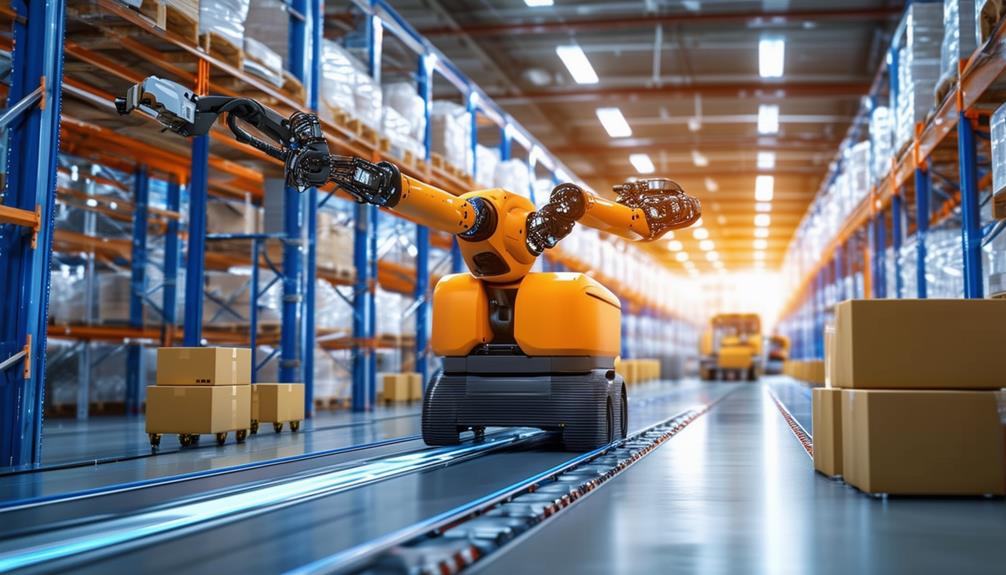
Automated warehouses offer substantial benefits, such as increased operational efficiency, reduced labor costs, and enhanced inventory management. By integrating these systems, you can streamline your processes, ensuring faster and more accurate order fulfillment. This not only boosts productivity but also elevates customer satisfaction.
Increased Operational Efficiency
Automated warehouses significantly boost operational efficiency by enhancing order processing speeds, accuracy, and inventory management. Implementing automation can improve order processing speeds by up to 30%, resulting in quicker delivery times and higher customer satisfaction. Robotic picking and packing systems achieve accuracy rates exceeding 99%, drastically reducing errors and returns. Efficient order routing further optimizes the picking process, ensuring orders are fulfilled both swiftly and accurately.
Automation also transforms inventory management by maintaining real-time inventory levels and ensuring timely stock replenishment. This minimizes downtime and guarantees product availability when customers need them.
Here are three key benefits you'll experience with automated warehouses:
- Enhanced Efficiency: Automation speeds up order processing and reduces delivery times, improving overall operational efficiency.
- Increased Accuracy: Robotic systems achieve over 99% accuracy, minimizing errors and enhancing customer satisfaction.
- Optimized Inventory Management: Automated systems prevent stockouts and ensure timely stock replenishment, supporting seamless operations.
Reduced Labor Costs
Automated warehouses not only enhance operational efficiency but also drastically reduce labor costs, making them financially attractive for businesses. By integrating automation, labor costs can be reduced by up to 70% compared to manual operations, leading to a significant drop in overall operating expenses by 40-80%. This reduction positively affects the bottom line.
Furthermore, automation minimizes errors that are costly to correct, further reducing labor expenses and freeing resources for other critical business areas. Automated systems also result in a 30% reduction in energy costs, contributing to long-term savings.
Here's a summary of the benefits:
| Benefit | Percentage Reduction | Impact on Costs |
|---|---|---|
| Labor Savings | Up to 70% | Reduces labor expenses |
| Operating Costs | 40-80% | Lowers overall operating costs |
| Energy Costs | 30% | Cuts energy expenses |
| Error Reduction | - | Decreases error-related costs |
Incorporating automation into your warehouse operations is not just about adopting new technology; it's a strategic move toward substantial financial benefits. By cutting labor costs and optimizing efficiency, your business can remain competitive in a rapidly evolving market.
Enhanced Inventory Management
Integrating automation into warehouse operations significantly enhances inventory management, achieving up to 99% accuracy. Automated systems leverage advanced technology for real-time tracking, effectively reducing both stockouts and overstocking. This adoption leads to improved inventory visibility, facilitating faster order processing and fulfillment.
A key advantage of automated warehouses is the substantial reduction in manual errors. Traditional inventory methods are often prone to mistakes, which can be costly and inefficient. Automation ensures precise inventory control, providing confidence that stock levels are consistently accurate and current.
Moreover, automated systems optimize storage space, thereby increasing operational efficiency. Effective space utilization allows for more inventory to be stored within the same area, reducing costs and streamlining workflows.
Here are the transformative benefits of automated warehouses for inventory management:
- Inventory Accuracy: Achieve near-perfect accuracy, minimizing discrepancies.
- Real-Time Tracking: Instantly monitor stock levels, mitigating risks of stockouts and overstocking.
- Storage Space Optimization: Maximize available space, enhancing overall efficiency.
Autonomous Robots and Vehicles
Autonomous robots and vehicles are transforming warehouse operations by significantly boosting efficiency and accuracy. Equipped with advanced navigation systems, autonomous mobile robots (AMRs) can navigate warehouses seamlessly, reducing the need for manual labor. These robots leverage AI technology to detect obstacles and optimize their routes, ensuring swift and accurate transportation of goods, thus minimizing errors.
As e-commerce continues to surge, the demand for scalable logistics solutions has reached unprecedented levels. Autonomous vehicles such as AGVs and AMRs can adapt to fluctuating demands, making them ideal for the dynamic nature of online shopping. Their flexibility allows warehouses to scale operations up or down as needed, maintaining high productivity regardless of order volume.
The market value of autonomous robots in warehouses is projected to reach $12 billion by 2025, underscoring their growing importance. By integrating these advanced technologies, businesses can streamline warehouse operations, reduce labor costs, and enhance overall accuracy. Embracing autonomous robots and vehicles is not just a trend but a crucial step in meeting the demands of modern logistics and staying competitive in the evolving landscape of online shopping.
Warehouse Management Systems
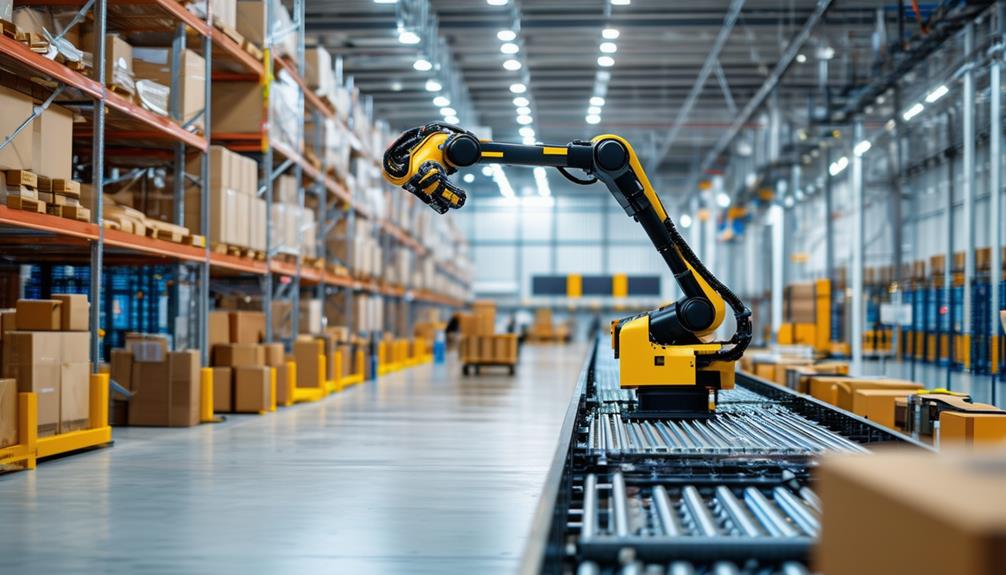
Warehouse Management Systems (WMS) are crucial for optimizing warehouse operations by streamlining essential processes such as receiving, picking, packing, and shipping. By integrating WMS with advanced automation technologies, warehouses can achieve exceptional efficiency and accuracy. These systems are engineered to enhance overall warehouse productivity through several key features.
Firstly, WMS significantly improve inventory management. Utilizing data analytics, these systems enable real-time tracking of inventory levels, ensuring optimal stock levels and minimizing the risk of stockouts or overstocking. Secondly, order fulfillment becomes markedly more efficient. WMS streamline order processing, facilitating quicker and more accurate order assembly, which leads to enhanced customer satisfaction.
Lastly, WMS excel in labor management. Real-time visibility into warehouse operations allows for more effective allocation of labor resources, ensuring that tasks are assigned efficiently. This not only boosts productivity but also helps in reducing labor costs.
Here are three key benefits of WMS:
- Improved Inventory Management
- Streamlined Order Fulfillment
- Efficient Labor Management
Future Trends in Warehouse Automation
As Warehouse Management Systems (WMS) continue to optimize current operations, it's crucial to stay informed about future trends in warehouse automation that are set to revolutionize the industry. The e-commerce boom is driving the demand for more advanced automation solutions, with the warehouse automation market projected to reach $51 billion by 2030.
Major players like Walmart and ASOS are already investing heavily in automation to adapt to changing consumer behavior. Venture capital funding is fueling innovation, leading to new technologies that enhance last-mile delivery and streamline operating models. The COVID-19 pandemic has accelerated this focus, prompting retailers to prioritize automation solutions that enhance the responsiveness and reliability of warehouse operations.
Future automated systems are expected to incorporate AI and robotics to handle complex tasks, making warehouses smarter and more adaptable. Understanding these key trends will be vital for staying competitive. Whether you're a retailer or a logistics provider, embracing these advancements will be necessary to meet the future demands of the e-commerce industry.
Conclusion
Warehouse automation is essential for keeping pace with the rapidly expanding e-commerce sector. By integrating technologies such as robotics, artificial intelligence (AI), and autonomous mobile robots, you enhance efficiency, accuracy, and cost-effectiveness. Automated warehouses represent the future, and adopting these advancements now ensures you can meet the increasing demands of online shopping. The future of warehousing is automated, and it is already here.
Related posts